Builds for Beginners
What info do you need to provide when you ask for a build?
Many veterans are quite willing to help newbies with builds, though how much time they're willing to spend on it varies wildly. But before any useful advice can be given, some specifics of your situation need to be known.
VIPs are those who subscribe, usually monthly. This unlocks a lot of content, but also races and classes and other things that affect build options.
F2P are those who have never spent money on the game in any fashion. They have various restrictions designed to 'encourage' them to do so.
Premium are those who have spent $$ on the game in some fashion. Either they're ex-VIPs who no longer have an active subscription, they've purchased something from the DDO Market (on the official website outside the game), or they've purchased DDO Points (from the DDO Store within the game).
The overall differences between the three categories can be found here:
https://ddowiki.com/page/Account_comparisons
Odds are if you're a beginner, you'll have no idea what some of the things on the Account Comparisons page even mean. For our purposes, what's relevant is that some of the races, classes, and archetypes are included with a subscription, giving a broader range of build options.
However, Premium and F2P could well have purchased access to any race or class, which is why it's also important to specifically ask:
As a general rule, you aren't considered a beginner by this guide if you've played long enough to have reincarnated a toon, though, so this is general info about requesting builds, not specific to this guide.
Note that, like Past Life Feats, Tome bonuses persist through Reincarnations, though the bonuses are progressively reapplied as the toon levels.
The additional Stat Points from Tomes open up a considerable number of build options. Stat starvation (not having enough Stat points to meet requirements) is a very real risk for some builds.
Again, build options are expanded by access to Universal Enhancement Trees, some of which can reduce the risk of Stat starvation by changing the Stat used for attack and damage. This can make a build that requires deep investment into two Stats (beyond Con.. never dump Con) only require one Stat.
Are you F2P, VIP, or Premium?
DDO has three categories of players:VIPs are those who subscribe, usually monthly. This unlocks a lot of content, but also races and classes and other things that affect build options.
F2P are those who have never spent money on the game in any fashion. They have various restrictions designed to 'encourage' them to do so.
Premium are those who have spent $$ on the game in some fashion. Either they're ex-VIPs who no longer have an active subscription, they've purchased something from the DDO Market (on the official website outside the game), or they've purchased DDO Points (from the DDO Store within the game).
The overall differences between the three categories can be found here:
https://ddowiki.com/page/Account_comparisons
Odds are if you're a beginner, you'll have no idea what some of the things on the Account Comparisons page even mean. For our purposes, what's relevant is that some of the races, classes, and archetypes are included with a subscription, giving a broader range of build options.
However, Premium and F2P could well have purchased access to any race or class, which is why it's also important to specifically ask:
Do you own any non-basic Races or Classes?
Knowing what options you have available obviously changes what build recommendations one can make. Granted, when you're talking about beginner builds, sticking with the F2P options is often best anyway. There's only one non-F2P archetype that competes well with the F2P options for survivability for a newbie. And even it introduces concepts that might not be 'beginner'.Is this a first-life character?
DDO is built around a concept called 'Reincarnation' (https://ddowiki.com/page/Reincarnation). When your toon reaches a certain level (20+ or 30+), it can be 'reborn' into a completely new build, with a persistent bonus that will remain through every following life (called a Past Life Feat). Also, the first two reincarnations add some initial Build points to invest in Stats. A first-life character has 28 build points (unless they have 32 point builds unlocked); a second-life has 34; each life thereafter grants 36.As a general rule, you aren't considered a beginner by this guide if you've played long enough to have reincarnated a toon, though, so this is general info about requesting builds, not specific to this guide.
Have you invested in any Tomes?
Tomes (https://ddowiki.com/page/Item:Ability_tome) are quite powerful.. and expensive. You can 'farm' even the highest level of Tomes by earning Favor (https://ddowiki.com/page/Favor), but that not only requires a significant investment in time, but also access to almost all the Expansions and Adventure Packs in the game. Even a newbie VIP might not own enough to farm the current highest-value Tome (+8).Note that, like Past Life Feats, Tome bonuses persist through Reincarnations, though the bonuses are progressively reapplied as the toon levels.
The additional Stat Points from Tomes open up a considerable number of build options. Stat starvation (not having enough Stat points to meet requirements) is a very real risk for some builds.
Do you have access to any Universal Enhancement Trees?
Every race gets access to a Racial Enhancement Tree. Every class gets three. But in addition, there are Universal Enhancement Trees, into which any build can invest Action Points.. assuming you 'own' that tree.Again, build options are expanded by access to Universal Enhancement Trees, some of which can reduce the risk of Stat starvation by changing the Stat used for attack and damage. This can make a build that requires deep investment into two Stats (beyond Con.. never dump Con) only require one Stat.
Do you have a preferred playstyle?
The best beginner build might well be a melee.. but if you hate melee and insist on being a caster, that option will not attract you. Best you let an advisor know of your preference before they invest time and thought into build ideas for you.What constitutes a Beginner build?
It seems to me that to qualify as 'beginner', a build has to be a few things:
Easy to understand the concepts involved.
Easy to build.
Easy to play.
Survivable.
It also has to limit itself (in the absence of specific info from the "What info do you need to provide when you ask for a build?" section above) to what's available to absolute newbie F2P players: Free races and classes, 28 build points, no Universal Enhancement Trees, etc.
It does NOT have to be solo-capable. Soloing is not a beginner concept. It's not a weakness if it IS solo-capable, of course, but shouldn't be a requirement. OTOH, Survivable builds usually solo at least reasonably well.
My own actual first character, fwiw, was a Ranger that tried to mix AA (Arcane Archer.. i.e. ranged) and TWF (Two-Weapon Fighting.. a melee style): Range until they're close, then swap to melee weapons. After all, Ranger gives you both sets of automatically-granted Feats, right? The weapon-swapping thing is definitely problematic as a primary build choice. This, btw, illustrates one of the gotchas in a couple of classes: they can do two things.. but you REALLY want to focus on one of them, or you'll likely be mediocre at both.
Easy to understand the concepts involved.
Easy to build.
Easy to play.
Survivable.
It also has to limit itself (in the absence of specific info from the "What info do you need to provide when you ask for a build?" section above) to what's available to absolute newbie F2P players: Free races and classes, 28 build points, no Universal Enhancement Trees, etc.
It does NOT have to be solo-capable. Soloing is not a beginner concept. It's not a weakness if it IS solo-capable, of course, but shouldn't be a requirement. OTOH, Survivable builds usually solo at least reasonably well.
My own actual first character, fwiw, was a Ranger that tried to mix AA (Arcane Archer.. i.e. ranged) and TWF (Two-Weapon Fighting.. a melee style): Range until they're close, then swap to melee weapons. After all, Ranger gives you both sets of automatically-granted Feats, right? The weapon-swapping thing is definitely problematic as a primary build choice. This, btw, illustrates one of the gotchas in a couple of classes: they can do two things.. but you REALLY want to focus on one of them, or you'll likely be mediocre at both.
Races from a beginner perspective.
Beginner realities
Note that while this section says, "from a beginner perspective," I'm adding sections here with some Intermediate and Advanced ideas, just so you have some idea what's out there to look forward to once you outgrow this guide.Races look good. People fight to get new ones included in the game.
But in most builds, the Race is not a major factor. It adds and subtracts a few Stat points, has a few minor perks, and provides an Enhancement tree. Oddly, the Race that makes the most difference is often Human, because of the additional Feat and Skill Points. Yet I find the Human Enhancement tree.. insipid. If you don't use Action Boosts a lot, there's not much value there, imo.
When building a toon, the Race adds flavor more than anything else. Sure, some races pair well with some classes, some add Spell Power or Healing that help some builds. But overall, Race is only core to a build if one specific element of that Race is key.
As a beginner, you have some room to make Racial choices simply based on what you like. And, as mentioned, the Human bonuses of an additional Feat and Skill points are likely to be of greatest value when you're a beginner. So Human isn't necessarily the, "I can't afford anything better," option; sometimes it's actually the best one.
Intermediate concept
Focusing a build on a key Racial elementTo use a non-free Race example, the T1 PDK Enhancement - Cormyrean Knight Training says: "You now use Charisma or Strength, whichever is higher, for attack and damage with shortswords, longswords, bastard swords, and greatswords.
In addition, as long as your Charisma remains higher than your Strength and you are wielding one of the above weapons, you receive a bonus to the DCs of your Tactical Feats equal to 1/3 your Charisma modifier."
This enhancement enables the building of a Paladin with dumped Str, as long as it uses one of the listed weapons. Instead of needing Str, Con, and Cha, you could invest in only Con and Cha.. but ONLY if you use Shortswords or Longswords or use Bastard Swords without Two-Handed Fighting. Why? Because of this little gotcha in the Feat prerequisites: THF Feats require Str. OTOH, it opens a new build, because PDKs can choose Helm as their Deity and gain Bastard Swords as a Favored Weapon. But again, while you can THF with Bastard Swords, you still need the Str for the THF Feats.
So while this illustrates that you can create a very specific niche build around a Racial Trait or Tree, mostly Race is a secondary consideration in building a toon.
Advanced Section
That requirement for enough Str for the THF Feats is less onerous if you have a Str Tome. You could still build a Cha-based THF PDK as mentioned under Intermediate concepts, that used Cha for to-hit and damage, and still used Bastard Swords or Greatswords with THF. You'd need to reach Str 17 for ITHF & GTHF requirements (attainable much more easily with a Tome). But other than that, you could invest solely into Cha, which has greater value to a Paladin. This approach does mean you won't get the Tactical Feat bonus for quite a while. Gotchas abound in builds like this one. (Luckily it's an Iconic, so that doesn't actually matter since it starts at L15.) Newbies heads spinning yet?I make a lot of these things, and even so I had to rewrite this paragraph close to half a dozen times as implications occurred to me. Always possible I've still left out some critical factor. Building a toon around a specific Racial Trait is really not a beginner concept.
Classes from a beginner perspective
Note that if you play with others, most of the concerns about whether or not a particular class is beginner-friendly go away. And if the others with whom you play aren't newbies, the rest become relatively trivial as well. In those cases, all that matters is that you acquire a decent build and know how to play it.
Basically, classes in DDO fall into a few groups (this is simplistic; there are exceptions): [Non-F2P classes in italics]
Pure caster: Sorcerer, Wizard, Warlock, Alchemist
Specialists (not the same criteria used in game): Monk, Rogue, Artificer
Mixed classes that have melee and caster elements: Bard, Druid, Favored Soul
The remaining oddballs are almost opposites: Cleric is a durable caster in heavy armor; Ranger is usually a light-armored melee/ranged.
A melee character really only needs a weapon and some armor. Yes, ideally they need good armor and the right melee weapon, but almost anything will get the job done.
In addition, casters get NO AOEs for at least a few levels, which means they're casting single-target spells that are likely to miss sometimes, at a cost in mana that new players aren't able to assess whether it's reasonable or not (not knowing the quests or where the shrines are).
Even buffs become an issue. They last very short periods at low levels. But newbies don't zerg, they play cautiously. So their buffs run out and either need recasting (wasted SP) or they forget and have no buffs (more squishy).
There's only one pure Caster I'd consider beginner. I provide in a section below a solid beginner Cleric Dark Apostate build. It can melee (and arguably is best to do so for the first 5 levels or so). But it won't match a class built to melee. It shines as a caster that only uses melee in extremis.
Ranger somewhat fits in this category conceptually, but instead of melee/caster its dichotomy is melee/ranged. Rangers are generally too squishy in their Light Armor to be decent melees. Their newer Dark Hunter variant (Medium Armor) is better. A Ranger shines as a ranged toon; the problem is, if you're solo you'll do a lot of kiting even if you make a very good one. And, as with the melee/caster mixes, it can be a challenge to take all the Feats and Enhancements for both melee and ranged play, even though they do hand you a bunch of Feats of each type. The problem is that that makes you think you can play both at the same time, but swapping weapons as enemies close to melee range is clunky and slow.
Thing is, you might REALLY want to play a sneaky Rogue. Nothing wrong with that. This list isn't intended to constrain your choices, only to suggest which classes might benefit most from the assistance of someone better-versed in the idiosyncrasies and intricacies of DDO toon building and gameplay: a friend or guildmate. And, of course, which might frustrate you by dying too readily or being challenging to play.
Whatever you choose, enjoy!
Basically, classes in DDO fall into a few groups (this is simplistic; there are exceptions): [Non-F2P classes in italics]
DDO Class groups
Pure melee: Barbarian, Fighter, PaladinPure caster: Sorcerer, Wizard, Warlock, Alchemist
Specialists (not the same criteria used in game): Monk, Rogue, Artificer
Mixed classes that have melee and caster elements: Bard, Druid, Favored Soul
The remaining oddballs are almost opposites: Cleric is a durable caster in heavy armor; Ranger is usually a light-armored melee/ranged.
Pure melee
Mostly it's the pure melee classes that are the most beginner-friendly. These days, even Fighters get self-heal with Second Wind (albeit not often between rests). Paladins and Barbarians have even better self-heal options. They're also among the ones with the fewest Stat requirements.A melee character really only needs a weapon and some armor. Yes, ideally they need good armor and the right melee weapon, but almost anything will get the job done.
Pure caster
On the other end of the spectrum are the pure casters. Casting itself is complex but manageable; things like SP (Spell Point) constraints, Spell DCs, Spell Power and Lore, & concepts like SLAs and Metamagics are challenging, but when you add their fragility to that, they definitely belong (as a group) in non-beginner territory.In addition, casters get NO AOEs for at least a few levels, which means they're casting single-target spells that are likely to miss sometimes, at a cost in mana that new players aren't able to assess whether it's reasonable or not (not knowing the quests or where the shrines are).
Even buffs become an issue. They last very short periods at low levels. But newbies don't zerg, they play cautiously. So their buffs run out and either need recasting (wasted SP) or they forget and have no buffs (more squishy).
There's only one pure Caster I'd consider beginner. I provide in a section below a solid beginner Cleric Dark Apostate build. It can melee (and arguably is best to do so for the first 5 levels or so). But it won't match a class built to melee. It shines as a caster that only uses melee in extremis.
Specialists
The specialists are really just too challenging to build and play; to do them adequately (let alone well) requires extensive knowledge and often also careful play.Mixed classes
The problem with the mixed classes is their dichotomy; they pull you to build for two things at once. A melee FvS is probably quite decent. But it's hard to resist the temptation to use spells when they hand them to you. Problem is, you can't take all the Feats and/or Enhancements for both, nor gear for both, so you're going to be good at one or the other or mediocre at both.Ranger somewhat fits in this category conceptually, but instead of melee/caster its dichotomy is melee/ranged. Rangers are generally too squishy in their Light Armor to be decent melees. Their newer Dark Hunter variant (Medium Armor) is better. A Ranger shines as a ranged toon; the problem is, if you're solo you'll do a lot of kiting even if you make a very good one. And, as with the melee/caster mixes, it can be a challenge to take all the Feats and Enhancements for both melee and ranged play, even though they do hand you a bunch of Feats of each type. The problem is that that makes you think you can play both at the same time, but swapping weapons as enemies close to melee range is clunky and slow.
Thing is, you might REALLY want to play a sneaky Rogue. Nothing wrong with that. This list isn't intended to constrain your choices, only to suggest which classes might benefit most from the assistance of someone better-versed in the idiosyncrasies and intricacies of DDO toon building and gameplay: a friend or guildmate. And, of course, which might frustrate you by dying too readily or being challenging to play.
Whatever you choose, enjoy!
Speaking of Sneaky Rogues, what about traps?
When you ask for build recommendations, a LOT of people recommend building for trapping.
Here's the problem: Trapping skills are complex. They require more knowledge of the game than do builds without them. And they come with compromises in other areas to balance the strength of being able to do traps. Only three classes in DDO are able to find and disable traps: Rogues, Artificers, and the Ranger archetype Dark Hunter.
Rogues have low HP and are weak against undead (their weapon types tend toward Piercing damage, and they get neither Crits nor Sneak Attacks against undead). They are the only trappers who inherently get and are designed around Evasion. Evasion allows a Rogue who makes their Saving Throw against a trap (or damaging spell) to take no damage. When they get Improved Evasion, that improves to the point where they take half damage even on a failed save. It's their biggest strength. Problem is, of the three saving throws, the ONLY good one they get is Reflex. Which makes them susceptible to poisons, diseases, negative leveling, crowd control, etc, etc.
Artificers are better at combat potential, at the expense of being worse at traps (they get the bad Reflex save progression and cannot gain Evasion).
Dark Hunter also doesn't get Evasion, trading it for the ability to wear Medium armor. That means if the trap box is on the other side, they essentially have to tank the trap. However, they do get pretty decent self-heal with Curative Admixtures.
Probably of the three, Dark Hunter is the most all-around survivable. Two good saving throw progressions, heavier armor, ability to deal with traps, and more HP.
The tradeoff in this case is that they don't tend to be Int-based, which will impact their trapping abilities directly AND their skill points to keep them up as they level. To make a one-stat Dark Hunter, you'd need the Harper Enhancement Tree to use Int for to-hit and damage (You'll still need 14 Wis to cast the highest level spells, but gear counts.). Otherwise you need Int AND a combat stat.
People will also recommend splashing (multiclassing) a level or two of a trapping class in order to be able to disarm traps. We pretty categorically recommend against multiclassing for newbies; there are way too many gotchas (see one of my other Guides here). Aside from that, here are just a few issues that can trip up trappers:
Need I really go on?
Fact is, beginners are probably better off to face-tank traps with a melee toon, especially on low difficulties. Heavy Armor and a Shield both greatly reduce trap damage (the damage resistance they provide via PRR and MRR are doubled for trap damage). And if they party with veterans, odds are someone else at least knows where the traps are, if they can't actually disable them.
Here's the problem: Trapping skills are complex. They require more knowledge of the game than do builds without them. And they come with compromises in other areas to balance the strength of being able to do traps. Only three classes in DDO are able to find and disable traps: Rogues, Artificers, and the Ranger archetype Dark Hunter.
Rogues have low HP and are weak against undead (their weapon types tend toward Piercing damage, and they get neither Crits nor Sneak Attacks against undead). They are the only trappers who inherently get and are designed around Evasion. Evasion allows a Rogue who makes their Saving Throw against a trap (or damaging spell) to take no damage. When they get Improved Evasion, that improves to the point where they take half damage even on a failed save. It's their biggest strength. Problem is, of the three saving throws, the ONLY good one they get is Reflex. Which makes them susceptible to poisons, diseases, negative leveling, crowd control, etc, etc.
Artificers are better at combat potential, at the expense of being worse at traps (they get the bad Reflex save progression and cannot gain Evasion).
Dark Hunter also doesn't get Evasion, trading it for the ability to wear Medium armor. That means if the trap box is on the other side, they essentially have to tank the trap. However, they do get pretty decent self-heal with Curative Admixtures.
Probably of the three, Dark Hunter is the most all-around survivable. Two good saving throw progressions, heavier armor, ability to deal with traps, and more HP.
The tradeoff in this case is that they don't tend to be Int-based, which will impact their trapping abilities directly AND their skill points to keep them up as they level. To make a one-stat Dark Hunter, you'd need the Harper Enhancement Tree to use Int for to-hit and damage (You'll still need 14 Wis to cast the highest level spells, but gear counts.). Otherwise you need Int AND a combat stat.
People will also recommend splashing (multiclassing) a level or two of a trapping class in order to be able to disarm traps. We pretty categorically recommend against multiclassing for newbies; there are way too many gotchas (see one of my other Guides here). Aside from that, here are just a few issues that can trip up trappers:
- First and foremost, to know how disabling traps works in the first place: how to Spot one; how to Search once you have, etc. Then there are the auto-search abilities that can cloud that info.
- Fail to take enough Int to be able to do traps.. particularly at higher levels and difficulties (anyone can trap L1 quests on Normal; not true at higher levels or Elite, much less Reaper.. a 'gotcha').
- Take enough Int, but sacrifice your toon's primary stat (or Con) for it (beginners are stat-starved).
- Not take enough Int to have the skill points for trapping Skills (especially as cross-class) in addition to the skills your primary class requires.
- Forget to keep trapping skills maxed. There are three trap skills: Spot, Search, & Disable. Open Locks is a related skill, but not actually about trapping.
- Gear - Trapping gear (and remembering to swap to and from it all the time) as well as actual Thieves tools: keeping stock and getting the best ones.
- The sheer AMOUNT of extra gear you have to carry will help overload a new player's limited inventory. Make them a caster, too (with spell components and low Str) and the issues only get worse.
Need I really go on?
Fact is, beginners are probably better off to face-tank traps with a melee toon, especially on low difficulties. Heavy Armor and a Shield both greatly reduce trap damage (the damage resistance they provide via PRR and MRR are doubled for trap damage). And if they party with veterans, odds are someone else at least knows where the traps are, if they can't actually disable them.
Build 1: Barbarian THF
Frankly, one of the easiest classes for a first-life newbie is probably the Barbarian. A Str-based Barbarian is a classic, and for good reason. It's simple, survivable, and its approach to traps is to simply face-tank them, which means you don't even need to have a clue where they are. The 10% run speed bonus makes it easier to keep up with veteran players or run away from mobs if you get in over your head.
But if you don't fit in Cleave/Great Cleave Feats (as the above recommendation does not), then Supreme Cleave and possibly Tantrum (also FB tree) can be handy: DDO tends to like to swamp you with numbers of mobs.
Take Strikethrough when you can: it gives you chances to hit 2+ enemies per swing.
Balance to get up quicker if Tripped or equivalent. With a high enough Str, you should be hard to Trip, but there are other things that can still knock you down/make you prone. Getting up quicker is worth some investment.
Heal gets you more HP back when you shrine, which is likely to be very important if you solo* and always helpful. For a Barb with little real self-heal, it's even more important. And for a solo Barb, it's critical. Note that if you're in a group, the highest Heal nearby the shrine is used for this calculation, so a Barb who regularly plays alongside a healer can ignore Heal skill. (Note that for this purpose, a hireling healer also counts.. but also makes HP regen at shrines pretty irrelevant, since you can simply have them heal you for anything you didn't regain at the shrine.. as well as between shrines, ofc.)
Jump's effects cap when you hit 40 effective Jump. You'll probably hit max Jump somewhere in Epics as a Barb since Str contributes to effective Jump.
One of the more important uses for Jump is for ranged and casters to not be considered moving while casting/ranging, while at the same time dodging projectiles (Jumping up and down doesn't count as moving, but arrows and ray spells still often miss.). That's not particularly relevant for a Barb in most cases. So in reality it's just a convenience in moving around the landscape/dungeon.
Intimidate is good if you aren't solo and want to pull aggro. Frankly, as a beginner I wouldn't go near it. If you're soloing, it's a waste of time. And if you're in a group with veterans, they're probably more survivable than even your Barb. Yes, Bluff, Diplomacy, and Intimidate also work on some dialog options, but with no Cha, you're likely to fail most of those, regardless.
To get all five I've mentioned would require a substantial investment in Int. So pick your Skills carefully.
You'll be weak against mind control. Rage increases your saves slightly. Protection from Evil is your friend. You can have someone cast it, or you can find clickies or items with it.
*Actual, between-fights self-heal is potions at low levels and either a party member or hireling at higher levels (Potions will become time-consuming and expensive.). You won't be able to use wands or scrolls. Note that hirelings are stupid and die easily. The best way to use one is often to order it to Stand Ground (use its personal shortcut bar to tell it to stay where it is), then after fights, tell it to Teleport to you for between-fights heals. Keeping it away from combat and traps will keep it alive much better.
Race
All but irrelevant. Some races offer minor advantages, but none amount to all that much. Half-Orc and Dwarf are probably the classic choices. Human if you want to squeeze in one more Feat &/or Skill.Stats
Build is all Str & Con (levelups in Str). You might want a few points in Int for Skill points.Feats
(in the order you'll take them): THF, Power Attack, ITHF, Imp Crit: [Whatever] (usually Slash for Greatswords and/or Great Axes), GTHF,.. last couple whatever you want: Dodge & Mobility, are decent options if you have 13 Dex.Enhancements
The only really critical Enhancement is Blood Tribute in the Frenzied Berserker tree: 150 Temp HP on demand for some of the best early-level self-heal in the game.. and Temp HP aren't nerfed in Reaper, either. Drops your Con -1 per use until rest: cheap at twice the price. Only real problem is that Temp HP have a duration: in this case 1 minute. Best not to waste them.. which fits with the Barbarian theme of rushing into things over and over. :)But if you don't fit in Cleave/Great Cleave Feats (as the above recommendation does not), then Supreme Cleave and possibly Tantrum (also FB tree) can be handy: DDO tends to like to swamp you with numbers of mobs.
Take Strikethrough when you can: it gives you chances to hit 2+ enemies per swing.
Skills
Listen is critical. Every toon should take either Listen or Spot for sneaky mobs, imo. Spot shows you ghostly charcoal outlines of sneaky mobs. Listen gives you little red blooms for their footsteps. Spot's better, but Listen is a class skill for Barb. As a no-tome beginner, you need to make your Skill points count.Balance to get up quicker if Tripped or equivalent. With a high enough Str, you should be hard to Trip, but there are other things that can still knock you down/make you prone. Getting up quicker is worth some investment.
Heal gets you more HP back when you shrine, which is likely to be very important if you solo* and always helpful. For a Barb with little real self-heal, it's even more important. And for a solo Barb, it's critical. Note that if you're in a group, the highest Heal nearby the shrine is used for this calculation, so a Barb who regularly plays alongside a healer can ignore Heal skill. (Note that for this purpose, a hireling healer also counts.. but also makes HP regen at shrines pretty irrelevant, since you can simply have them heal you for anything you didn't regain at the shrine.. as well as between shrines, ofc.)
Jump's effects cap when you hit 40 effective Jump. You'll probably hit max Jump somewhere in Epics as a Barb since Str contributes to effective Jump.
One of the more important uses for Jump is for ranged and casters to not be considered moving while casting/ranging, while at the same time dodging projectiles (Jumping up and down doesn't count as moving, but arrows and ray spells still often miss.). That's not particularly relevant for a Barb in most cases. So in reality it's just a convenience in moving around the landscape/dungeon.
Intimidate is good if you aren't solo and want to pull aggro. Frankly, as a beginner I wouldn't go near it. If you're soloing, it's a waste of time. And if you're in a group with veterans, they're probably more survivable than even your Barb. Yes, Bluff, Diplomacy, and Intimidate also work on some dialog options, but with no Cha, you're likely to fail most of those, regardless.
To get all five I've mentioned would require a substantial investment in Int. So pick your Skills carefully.
Play
The playstyle is very straightforward: Run up to stuff, hit Blood Tribute, then beat on it till it drops. At first your Rages are short, so save them for bigger threats. And carry Lesser Restoration potions to remove the negative effects that occur after Raging.You'll be weak against mind control. Rage increases your saves slightly. Protection from Evil is your friend. You can have someone cast it, or you can find clickies or items with it.
*Actual, between-fights self-heal is potions at low levels and either a party member or hireling at higher levels (Potions will become time-consuming and expensive.). You won't be able to use wands or scrolls. Note that hirelings are stupid and die easily. The best way to use one is often to order it to Stand Ground (use its personal shortcut bar to tell it to stay where it is), then after fights, tell it to Teleport to you for between-fights heals. Keeping it away from combat and traps will keep it alive much better.
Build 2: Paladin (also the thought process in creating a build)
This will give some idea how you might approach creating a build. While I'm presenting this as a fait accompli, keep in mind that sometimes one revisits the various aspects of the build multiple times in the process of fine-tuning it. After all, you won't be a beginner forever, right?
If I were building a first-life 28pt Paladin designed to solo (which means high survivability and the ability to take down groups of mobs), here's how I might approach it.
That said, the first decision would be about combat style. S&B is the most survivable, but THF puts out a lot more damage, especially on groups of mobs (All Paladins can get some decent single-target DPS with things like Smites.). TWF needs too much Dex. SWF is possible, but it and TWF are largely single-target and forego a shield, which reduces survivability (particularly to traps). So for a beginner, where survivability tops almost every other consideration? S&B. Likewise for Solo play.
BTW, if you take combat style feats, you gain a HP bonus when leveling (up to 260 HP by cap for a Paladin with all 4 of any combat style line feats https://ddowiki.com/page/Heroic_Durability). Either Longsword with the Shield Mastery Feat line or Bastard Sword or Dwarven Axe with THF Feats qualifies. In either event, those will take 3 of your 7 Feats on the way to L20 (as well as 1 Epic Feat). Regardless of the other effects of those feats, a Feat that grants 60-70HP by cap is well worth taking (Toughness offers 36HP or thereabouts.). The advantage to taking cleave-type attacks as Enhancements, rather than Feats (aside from obviously leaving more Feats for other purposes) is that you can decide to respec to either take or discard them depending on how the THF Strikethrough compares to using specific attacks. The cleave-type attacks don't change as you level, so they're powerful at low levels. Strikethrough tends to improve as you level. It's at least conceivable to take the cleaves and later swap them out and replace them with Strikethrough.
To recap: We have a S&B fighting style with either a Favored Weapon and Cleaves or a Bastard Sword or Dwarven Axe with THF. Heavy armor and shield will mitigate all kinds of damage including trap and spell damage via high PRR/MRR.
Human mostly offers an extra Feat and Skill points and some healing amp and Heroism in the Enhancement tree. Not compelling for this build.
Dwarf offers the 'free' Dwarven Axe proficiency (& +2 Con, -2 Cha), and HP & some Dwarven Axe bonuses (including Strikethrough) in the Racial tree.
Half-Orc is also decent (+2 Str, -2 Int, -2 Cha), with Str and Strikethrough enhancements, but it doesn't really stand out. The reduced Skill points from the Int penalty are bad, and Paladins also have some use for Cha.
Two more races deserve consideration, having become F2P recently:
Dragonborn (+2 Str, +2 Cha, -2 Dex) offers Str or Cha, HP, and decent defensive bonuses in its tree. Skip the Breath Weapon: you won't be able to invest in it enough to make it worthwhile.
Tiefling (+2 Cha) offers Cha, Fire damage on hit and a Scorch SLA (invest in Fire Spell Power for both), and an interesting defensive circle known as Obscuring Darkness.
I'd probably go Dwarf for DAxe; for other weapon options, Dwarf, Dragonborn or Tiefling.
(Note: Dump Dex. Heavy armor and shields cap Dex at pretty low values. Wis could help with Will saves, but Cha does that and improves Fort and Reflex saves for a Paladin, too. And the only thing Int buys you is more Skill points. You do need 14 minimum Wis to cast the highest level Pally spells, but gear works to meet that requirement, so there's no point investing Stat points in it.)
Note: the Human version of this build will have enough Skill points to take both Skills: the other Races would need to drop Cha to 14 and put 2 pts into Int.
If Longsword: L1 Shield Mastery; L3 PA; L6 Knight's Training; L9 Imp Crit: Slash; L12 Imp Shield Mastery; L15 Greater Shield Mastery
If some other Favored Weapon possibly a different Imp Crit variant, and if that weapon isn't covered by Knight's Training, obviously a different L6 Feat.
One other note on the Feats: Of all the Feats, the easiest to give up is Power Attack. Since this build uses 1 handed weapons, the effect is less valuable than when using 2 handers (-5 to hit for +5 to dmg vs for +10 to dmg). Also, if anyone will have to-hit issues, it's a beginner with no Tomes. If you miss or get 'glancing blows' too often, turn off PA or even swap it out. (Turn on Dice to see hits/glancing blows/misses as they occur or use the Combat Log.)
And that's a build. Simple enough in design and playstyle to be a beginner build: First-life, 28 pt, pure, fairly straightforward, not overly burdened with required Stats, survivable.
If I were building a first-life 28pt Paladin designed to solo (which means high survivability and the ability to take down groups of mobs), here's how I might approach it.
Overall concept
Heavy armor is what a Paladin is designed for, so we'll stick with that. Keep it simple and in the zone. The build would be pure Paladin: no multi-classing.That said, the first decision would be about combat style. S&B is the most survivable, but THF puts out a lot more damage, especially on groups of mobs (All Paladins can get some decent single-target DPS with things like Smites.). TWF needs too much Dex. SWF is possible, but it and TWF are largely single-target and forego a shield, which reduces survivability (particularly to traps). So for a beginner, where survivability tops almost every other consideration? S&B. Likewise for Solo play.
Weapon choice
Any one-handed weapon that can be selected as a Favored Weapon (additional to-hit and damage as well as a few Enhancements to increase that) is a good option for a S&B Paladin. Of those, Longsword (Sovereign Host) pairs with what is probably the most powerful L6 Active Deity ability (Unyielding Sovereignty). If I chose this option, I'd be looking for Cleave-type multi-target attacks (either the Feats, or the Enhancements in Knight of the Chalice). But another option would be either a Bastard Sword or Dwarven Axe, so as to still have Strikethrough (and take THF Feats). Both are Exotic weapons, which require a Feat.. except that a Dwarf Paladin gets Dwarven Axe free. BTW, if you take combat style feats, you gain a HP bonus when leveling (up to 260 HP by cap for a Paladin with all 4 of any combat style line feats https://ddowiki.com/page/Heroic_Durability). Either Longsword with the Shield Mastery Feat line or Bastard Sword or Dwarven Axe with THF Feats qualifies. In either event, those will take 3 of your 7 Feats on the way to L20 (as well as 1 Epic Feat). Regardless of the other effects of those feats, a Feat that grants 60-70HP by cap is well worth taking (Toughness offers 36HP or thereabouts.). The advantage to taking cleave-type attacks as Enhancements, rather than Feats (aside from obviously leaving more Feats for other purposes) is that you can decide to respec to either take or discard them depending on how the THF Strikethrough compares to using specific attacks. The cleave-type attacks don't change as you level, so they're powerful at low levels. Strikethrough tends to improve as you level. It's at least conceivable to take the cleaves and later swap them out and replace them with Strikethrough.
To recap: We have a S&B fighting style with either a Favored Weapon and Cleaves or a Bastard Sword or Dwarven Axe with THF. Heavy armor and shield will mitigate all kinds of damage including trap and spell damage via high PRR/MRR.
Race
That leads directly to Race (we're obviously only considering F2P options):Human mostly offers an extra Feat and Skill points and some healing amp and Heroism in the Enhancement tree. Not compelling for this build.
Dwarf offers the 'free' Dwarven Axe proficiency (& +2 Con, -2 Cha), and HP & some Dwarven Axe bonuses (including Strikethrough) in the Racial tree.
Half-Orc is also decent (+2 Str, -2 Int, -2 Cha), with Str and Strikethrough enhancements, but it doesn't really stand out. The reduced Skill points from the Int penalty are bad, and Paladins also have some use for Cha.
Two more races deserve consideration, having become F2P recently:
Dragonborn (+2 Str, +2 Cha, -2 Dex) offers Str or Cha, HP, and decent defensive bonuses in its tree. Skip the Breath Weapon: you won't be able to invest in it enough to make it worthwhile.
Tiefling (+2 Cha) offers Cha, Fire damage on hit and a Scorch SLA (invest in Fire Spell Power for both), and an interesting defensive circle known as Obscuring Darkness.
I'd probably go Dwarf for DAxe; for other weapon options, Dwarf, Dragonborn or Tiefling.
Stats
3 really matter: Str, Con, and Cha (Cha mainly for saving throws; it affects the to-hit of smites, but not their damage, and Turn Undead is a waste of time on a Pally). Pally only gets the good saving throw progression for Fort saves. At L2, they get a bonus to ALL saves from their Cha. Some might tend to focus on Str and Con (min/max), but I'd suggest Str 16, Con 16, Cha 15. All levelups into Str. Keep in mind it's possible to drop Cha to 14 to boost Int for another Skill or two.(Note: Dump Dex. Heavy armor and shields cap Dex at pretty low values. Wis could help with Will saves, but Cha does that and improves Fort and Reflex saves for a Paladin, too. And the only thing Int buys you is more Skill points. You do need 14 minimum Wis to cast the highest level Pally spells, but gear works to meet that requirement, so there's no point investing Stat points in it.)
Skills
I'd invest in only two, both cross-class for a Paladin: Spot and Balance. Spot to see sneaky mobs before they hit you, and Balance to get up quicker when tripped, etc. For a solo Paladin, Diplomacy and Intimidate are all but worthless except possibly for dialog options (Consider these only if you took a high Cha option on Stats and Race.). Heal has some value. It's possible that at some point your HP will be high enough that the Spell Power bonus to Cure spells will help, but you do self-heal so the HP regained at a rest shrine are less critical. Your only in-combat spells are Cure spells, so investing in Concentration is probably not of great value. Still, you could easily choose differently on Skills.Note: the Human version of this build will have enough Skill points to take both Skills: the other Races would need to drop Cha to 14 and put 2 pts into Int.
Feats
If DAxe: L1 THF; L3 PA; L6 ITHF; L9 Imp Crit: Slash; L12 GTHF After that, as you wish. Perhaps a couple of Shield Mastery Feats. NOTE: This is where we discard the Bastard Sword option; the low-level feats are all spoken for, so you'd have to give up Power Attack to take the Exotic Proficiency: Bastard Sword... or take a level of Fighter, but that would require deciding that the ability to use a Bastard Sword was worth giving up access to a L20 Capstone in one of the Enhancement Trees, a questionable tradeoff at best.. and one of the more obvious downsides to multiclassing.)If Longsword: L1 Shield Mastery; L3 PA; L6 Knight's Training; L9 Imp Crit: Slash; L12 Imp Shield Mastery; L15 Greater Shield Mastery
If some other Favored Weapon possibly a different Imp Crit variant, and if that weapon isn't covered by Knight's Training, obviously a different L6 Feat.
One other note on the Feats: Of all the Feats, the easiest to give up is Power Attack. Since this build uses 1 handed weapons, the effect is less valuable than when using 2 handers (-5 to hit for +5 to dmg vs for +10 to dmg). Also, if anyone will have to-hit issues, it's a beginner with no Tomes. If you miss or get 'glancing blows' too often, turn off PA or even swap it out. (Turn on Dice to see hits/glancing blows/misses as they occur or use the Combat Log.)
Enhancements
By changing your relative investment in Racial, Knight of the Chalice, Sacred Defender, and Vanguard trees, you could turn this build into either a reasonable DPS or a fairly tanky build with more or less focus on shields. A non-THF build should probably consider taking the Cleave enhancements in KotC, to maximize DPS on groups of mobs. A DAxe build with Strikethrough might find that unnecessary.And that's a build. Simple enough in design and playstyle to be a beginner build: First-life, 28 pt, pure, fairly straightforward, not overly burdened with required Stats, survivable.
Build 2 Paladin redux (less commentary; more readable)
Build 2 is simple, but in the interest of explaining it, I've made it less than completely newbie-friendly to read and implement. So I'll repost it as two options with less commentary on the thought process:
Option 1:
----------
Dwarf Paladin Sword & Board using Dwarven Axes and Two-Handed Fighting
Deity - unimportant. Avoid all Favored Weapon based Enhancements. Arguably, Sovereign Host is best option for its massive heal that eliminates all kinds of negative statuses with a 10 min cooldown.
Base Stats (before racial bonuses) - Str 16, Con 16, Int 10, Cha 14; all levelups into Str.
Skills - Spot (to see sneaky enemies), & Balance (to get up faster when tripped or otherwise made prone).
Feats
L1 Two-Handed Fighting
L3 Power Attack
L6 Improved Two-Handed Fighting
L9 Improved Critical: Slashing
L12 Greater Two-Handed Fighting
L15 & L18 as you wish. Perhaps a couple of Shield Mastery Feats.
Enhancements - For a tanky build, invest in Sacred Defender; for DPS, Knight of the Chalice; for a focus on Shield DPS, Vanguard; take all the Core Dwarf Racial Enhancements as they become available. If your focus changes, you can respec your enhancements at a cost in Platinum.
Option 2:
----------
Paladin Sword & Board using Longsword (or other 1-handed Favored Weapon)
Race - choice of Dwarf, Dragonborn, or Tiefling
Deity - match to chosen weapon, if possible, for extra bonuses (keeping in mind racial restrictions). For Longsword, that deity will be Sovereign Host (available to all races).
Base Stats (before racial bonuses) - Str 16, Con 16, Int 10, Cha 14; all levelups into Str
Skills - Spot (to see sneaky enemies), & Balance (to get up faster when tripped or otherwise made prone)
Feats
L1 Shield Mastery
L3 Power Attack
L6 Knight's Training (or other option if your Favored Weapon isn't on this list)
L9 Improved Critical: Slashing (or other subcategory if your Favored weapon is Blunt or Piercing)
L12 Improved Shield Mastery
L15 Greater Shield Mastery
L18 as desired
Enhancements - For a tanky build, invest in Sacred Defender; for DPS, Knight of the Chalice; for a focus on Shield DPS, Vanguard. Each of the Racial tree options has some good choices as well. Consider taking the Cleaves in Knight of the Chalice for multi-target DPS. If your focus changes, you can respec your enhancements at a cost in Platinum.
Gear - The only truly important gear consideration for these two options is that you will require a Wis item in order to cast spells. 11 Wis is needed to cast first level spells and 14 to cast the highest level ones available to Paladins. That means a +3 Wis item by L4, rising to a +6 item later (much later because Paladins get higher level spells slower than caster classes).
For someone actually seeking to follow this build, this should be a clearer presentation.
Option 1:
----------
Dwarf Paladin Sword & Board using Dwarven Axes and Two-Handed Fighting
Deity - unimportant. Avoid all Favored Weapon based Enhancements. Arguably, Sovereign Host is best option for its massive heal that eliminates all kinds of negative statuses with a 10 min cooldown.
Base Stats (before racial bonuses) - Str 16, Con 16, Int 10, Cha 14; all levelups into Str.
Skills - Spot (to see sneaky enemies), & Balance (to get up faster when tripped or otherwise made prone).
Feats
L1 Two-Handed Fighting
L3 Power Attack
L6 Improved Two-Handed Fighting
L9 Improved Critical: Slashing
L12 Greater Two-Handed Fighting
L15 & L18 as you wish. Perhaps a couple of Shield Mastery Feats.
Enhancements - For a tanky build, invest in Sacred Defender; for DPS, Knight of the Chalice; for a focus on Shield DPS, Vanguard; take all the Core Dwarf Racial Enhancements as they become available. If your focus changes, you can respec your enhancements at a cost in Platinum.
Option 2:
----------
Paladin Sword & Board using Longsword (or other 1-handed Favored Weapon)
Race - choice of Dwarf, Dragonborn, or Tiefling
Deity - match to chosen weapon, if possible, for extra bonuses (keeping in mind racial restrictions). For Longsword, that deity will be Sovereign Host (available to all races).
Base Stats (before racial bonuses) - Str 16, Con 16, Int 10, Cha 14; all levelups into Str
Skills - Spot (to see sneaky enemies), & Balance (to get up faster when tripped or otherwise made prone)
Feats
L1 Shield Mastery
L3 Power Attack
L6 Knight's Training (or other option if your Favored Weapon isn't on this list)
L9 Improved Critical: Slashing (or other subcategory if your Favored weapon is Blunt or Piercing)
L12 Improved Shield Mastery
L15 Greater Shield Mastery
L18 as desired
Enhancements - For a tanky build, invest in Sacred Defender; for DPS, Knight of the Chalice; for a focus on Shield DPS, Vanguard. Each of the Racial tree options has some good choices as well. Consider taking the Cleaves in Knight of the Chalice for multi-target DPS. If your focus changes, you can respec your enhancements at a cost in Platinum.
Gear - The only truly important gear consideration for these two options is that you will require a Wis item in order to cast spells. 11 Wis is needed to cast first level spells and 14 to cast the highest level ones available to Paladins. That means a +3 Wis item by L4, rising to a +6 item later (much later because Paladins get higher level spells slower than caster classes).
For someone actually seeking to follow this build, this should be a clearer presentation.
Build 3: THF Paladin
The remaining good Paladin build option is a THF wielding Greatswords. While trap survivability would be a tad reduced, this is still a heavily-armored build with a lot of HP, so traps on most difficulties will be survivable by face-tanking them. And in terms of combat, as some have said, the best defense is high DPS: they can't hurt you if they're dead. And that's the basis of this build: it will do more DPS than either of the other Paladin versions, especially against groups of mobs (by far the most common of the dangerous fights in DDO). Note that Paladin Smites should largely be reserved for bosses or other hard single-target fights (not entirely, since they regen). If you're soloing, which build is better could go either way; in a group, this one's almost certainly better.
It's rather easy to derive this build from the Dwarf DAxe THF build. It simply drops the DAxe and shield in favor of Greatswords (the only 'real' THF weapons that can be 'favored' by a deity available to F2P toons). And it eliminates the restriction to the Dwarven race as well. It looks like this:
Option 3:
----------
Paladin Two-Handed Fighting using Greatswords
L3 Power Attack
L6 Improved Two-Handed Fighting
L9 Improved Critical: Slashing
L12 Greater Two-Handed Fighting
L15 & L18 as you wish (inc Favored Weapon Feats)
(Note that at L15 and L18 you'll find Favored Weapon Feat options among your choices; FvS get all of them automatically, but Paladins and Clerics have to use Feat slots on them if they want them.)
For a tankier build, invest in Sacred Defender; for DPS, Knight of the Chalice; without a shield, Vanguard won't offer you much. Obviously what Race you choose will affect what Enhancements it offers. Each of the Racial tree options has some good choices. If your focus changes, you can respec your enhancements at a cost in Platinum.
With this build, I'd be inclined to invest in all the Strikethrough I could. Unfortunately, none of the Paladin trees offer much, so you will almost certainly want to take and use the two Cleave-type attacks in the KotC tree: T2 Exalted Cleave & T5 Avenging Cleave. This will lock you into KotC as the one in which you take T5 options, but I'd argue they're the best ones anyway. You could still take either the KotC or SD (Sacred Defender) capstone at L20, though if you want the SD one, you'll have to forego more than a tiny investment in any tree outside the KotC and SD trees (including your Racial tree), because you'll need 41 AP in SD and somewhere over 30 AP in KotC (depending which T5s you choose). Since you get 80 AP on the way to L20, that will leave almost nothing for Racial or other trees.
NOTE on 'stacking': Kotc T5 Vigor of Life grants a +25% Competence bonus to HP. One of the SD T3/4/5 options for Greater Sacred Defense (Tenacious Defense) offers +[10/15/25]% Competence bonus to HP. These do not stack. In general, bonuses to the same thing (in this case HP) only stack if the TYPE differs. These are both typed as Competence, so they don't stack. If one were, for example, a Sacred or Profane bonus, then they would stack and you'd gain the benefits of both. Watch for this.
It's rather easy to derive this build from the Dwarf DAxe THF build. It simply drops the DAxe and shield in favor of Greatswords (the only 'real' THF weapons that can be 'favored' by a deity available to F2P toons). And it eliminates the restriction to the Dwarven race as well. It looks like this:
Option 3:
----------
Paladin Two-Handed Fighting using Greatswords
Race
- not critical; the same options as above are still among the better ones: Dwarf, Dragonborn, or TieflingDeity
- unimportant. You will get Greatsword as a Favored Weapon via an Enhancement in the KOTC (Knight of the Chalice) tree called Holy Combatant (T3). Arguably, Sovereign Host is still the best option for its massive heal that eliminates all kinds of negative statuses with a 10 min cooldown.Stats
Before racial bonuses: Str 16, Con 16, Int 10, Cha 14; all levelups into Str.Skills
Spot (to see sneaky enemies), & Balance (to get up faster when tripped or otherwise made prone). Feats
L1 Two-Handed FightingL3 Power Attack
L6 Improved Two-Handed Fighting
L9 Improved Critical: Slashing
L12 Greater Two-Handed Fighting
L15 & L18 as you wish (inc Favored Weapon Feats)
(Note that at L15 and L18 you'll find Favored Weapon Feat options among your choices; FvS get all of them automatically, but Paladins and Clerics have to use Feat slots on them if they want them.)
Enhancements
Invest 12 AP into the KotC tree first, to unlock Holy Combatant by the end of L3. This will give you benefit from all the other KotC Enhancements that affect Favored Weapons, as well as the ones Paladins get automatically. For a tankier build, invest in Sacred Defender; for DPS, Knight of the Chalice; without a shield, Vanguard won't offer you much. Obviously what Race you choose will affect what Enhancements it offers. Each of the Racial tree options has some good choices. If your focus changes, you can respec your enhancements at a cost in Platinum.
With this build, I'd be inclined to invest in all the Strikethrough I could. Unfortunately, none of the Paladin trees offer much, so you will almost certainly want to take and use the two Cleave-type attacks in the KotC tree: T2 Exalted Cleave & T5 Avenging Cleave. This will lock you into KotC as the one in which you take T5 options, but I'd argue they're the best ones anyway. You could still take either the KotC or SD (Sacred Defender) capstone at L20, though if you want the SD one, you'll have to forego more than a tiny investment in any tree outside the KotC and SD trees (including your Racial tree), because you'll need 41 AP in SD and somewhere over 30 AP in KotC (depending which T5s you choose). Since you get 80 AP on the way to L20, that will leave almost nothing for Racial or other trees.
NOTE on 'stacking': Kotc T5 Vigor of Life grants a +25% Competence bonus to HP. One of the SD T3/4/5 options for Greater Sacred Defense (Tenacious Defense) offers +[10/15/25]% Competence bonus to HP. These do not stack. In general, bonuses to the same thing (in this case HP) only stack if the TYPE differs. These are both typed as Competence, so they don't stack. If one were, for example, a Sacred or Profane bonus, then they would stack and you'd gain the benefits of both. Watch for this.
Gear
The only truly important gear consideration is that you will require a Wis item in order to cast spells. 11 Wis is needed to cast first level spells and 14 to cast the highest level ones available to Paladins. That means a +3 Wis item by L4, rising to a +6 item by L14 when Paladins gain access to L4 spells. Note: This is an excellent place for an Augment if you can find one; it'll give you your casting ability without wasting a slot on a Wis item you don't otherwise need much.
Build 4: Dark Apostate (Cleric archetype)
This is the only caster build I'd recommend to a newbie. The reason? Heavy armor and a fallback to a decent melee option for if Spell Points get low. Much like the Paladin above, it can tank traps.
At L2, select Luck Domain for increased survivability (Improved Saving Throws, Displacement, Improved Spell DCs).
L1 Human bonus - Empower
L1 Deity - Sovereign Host
L2 Domain - Luck
L3 - Enlarge
L6 - Quicken
L9 - Mental Toughness
L12 - Spell Focus - Evocation
L15 - Spell Focus - Necromancy
L18 - Spell Penetration
The Spell Focus and Spell Penetration Feats are mostly to ensure that options that increase those metrics in Enhancements and Epic Destinies are activated (some require that you have taken the feat as a prerequisite, last I recall). Frankly, swapping any of the L9+ Feats for other caster Feats to fit one's playstyle and SLA/Spell choices is absolutely fine.
NOTE: SLA advantages are generally low SP (Spell Point) requirements AND the ability to use Metamagics (like Maximize, Empower, Quicken, Enlarge, etc) when casting them at NO additional SP cost. Best way to ensure that happens is to make sure you right-click each SLA on your shortcut bars and permanently turn on every Metamagic for each one, rather than using the global toggles. That allows you to use the global toggles to manage your SP use for your actual spells.
NOTE2: Consider also deliberately setting the Metamagics for your buffs. Most are only potentially affected by Quicken and Extend. The only reason to Quicken your buffs is if you play with a zerger. Otherwise, it's a waste of SP. Imo, most buffs don't need to be Extended, though the Displacement SLA you get from the Luck Domain is one of the ones that could/would benefit from it... but there's no plan to take Extend in this build.
Invest first in the Divine Disciple tree. While leveling, you want the first two Light Cores ('Divine Emissary of Light' & 'Empowered by Light') AND the first two Dark Cores ('Divine Emissary of Darkness' & 'Empowered by Darkness'). Most of the other Divine Disciple Cores are simply spells added to your spellbook. Ignore them for now.
Invest in all the SLAs (labeled 'Prophetic Zenith') and Divine Smiting options and the Wisdom increases. Note: Pick whichever set of SLAs you prefer - Light or Dark. I tend to prefer Light because they work better on undead and otherwise there's little difference.
Split investment fairly evenly between Divine Disciple and Dark Apostate. In truth, you could take either one's Tier 5s and capstone, whichever suits you better. If you prefer the Divine Disciple one, then you'd respec that tree at or near L20 to take all Light or all Dark Cores.
In Dark Apostate, take all the Cores and specifically the Bane & Prayer SLAs, and Pray for Mercy (which weaponizes both into AoEs).
If you're not confident your SP will suffice, take the Apostate's Curse line for melee damage to conserve SP when necessary.
With respect to caster sticks: The best bang for your buck will come with a Radiance of Light Lore weapon or item. Radiance provides Spell Power for Light AND Alignment. Thus, the Evil damage done by Prayer and Bane when activated as AoE attacks by Pray for Mercy, AND the Light damage from Divine Disciple's Light SLAs will both be increased by the one item.
Two considerations:
1) At low levels, your only damage spells will be single-target if you start out focusing on the Divine Disciple tree. You could optionally start as a melee by investing some in the Dark Apostate tree instead.
2) Shadow Shrouding (Dark Apostate Core 2) is quite powerful, protecting you from critical hits, poisons, and anything else that doesn't affect undead. However, it makes you take double damage from Light spells. Turn it off in quests where Light damage is likely. There's a list here, but it's far from exhaustive (I died on Hardcore to a Sunburst in Blockade Buster, which is not listed.) https://ddowiki.com/page/Guide_to_Pale_Masters:_Avoiding_Light_damage
Human Dark Apostate (Cleric) L20
Faith: Not critical unless you melee. Sovereign Host for Longsword as Favored Weapon is a good choice.At L2, select Luck Domain for increased survivability (Improved Saving Throws, Displacement, Improved Spell DCs).
Stats
Str 12, Con 16, Int 12, Wis 16; all levelups into WisSkills
Concentration, Jump, Spellcraft, & SpotFeats
L1 - MaximizeL1 Human bonus - Empower
L1 Deity - Sovereign Host
L2 Domain - Luck
L3 - Enlarge
L6 - Quicken
L9 - Mental Toughness
L12 - Spell Focus - Evocation
L15 - Spell Focus - Necromancy
L18 - Spell Penetration
The Spell Focus and Spell Penetration Feats are mostly to ensure that options that increase those metrics in Enhancements and Epic Destinies are activated (some require that you have taken the feat as a prerequisite, last I recall). Frankly, swapping any of the L9+ Feats for other caster Feats to fit one's playstyle and SLA/Spell choices is absolutely fine.
NOTE: SLA advantages are generally low SP (Spell Point) requirements AND the ability to use Metamagics (like Maximize, Empower, Quicken, Enlarge, etc) when casting them at NO additional SP cost. Best way to ensure that happens is to make sure you right-click each SLA on your shortcut bars and permanently turn on every Metamagic for each one, rather than using the global toggles. That allows you to use the global toggles to manage your SP use for your actual spells.
NOTE2: Consider also deliberately setting the Metamagics for your buffs. Most are only potentially affected by Quicken and Extend. The only reason to Quicken your buffs is if you play with a zerger. Otherwise, it's a waste of SP. Imo, most buffs don't need to be Extended, though the Displacement SLA you get from the Luck Domain is one of the ones that could/would benefit from it... but there's no plan to take Extend in this build.
Enhancements
Ignore the Human Racial Tree; you're Human for the extra L1 Feat, which will increase your SLA damage at low levels to the point where you can one-shot a lot of mobs with your single-target spells at up to Elite. That also gets you Enlarge at L3, which will let you immediately use the Tier 4 AoE SLA in Divine Disciple (when you get it) on groups of mobs before they notice you and aggro (while the ranged, casters and melees are still often grouped). Human also lets you maintain the 4th Skill.Invest first in the Divine Disciple tree. While leveling, you want the first two Light Cores ('Divine Emissary of Light' & 'Empowered by Light') AND the first two Dark Cores ('Divine Emissary of Darkness' & 'Empowered by Darkness'). Most of the other Divine Disciple Cores are simply spells added to your spellbook. Ignore them for now.
Invest in all the SLAs (labeled 'Prophetic Zenith') and Divine Smiting options and the Wisdom increases. Note: Pick whichever set of SLAs you prefer - Light or Dark. I tend to prefer Light because they work better on undead and otherwise there's little difference.
Split investment fairly evenly between Divine Disciple and Dark Apostate. In truth, you could take either one's Tier 5s and capstone, whichever suits you better. If you prefer the Divine Disciple one, then you'd respec that tree at or near L20 to take all Light or all Dark Cores.
In Dark Apostate, take all the Cores and specifically the Bane & Prayer SLAs, and Pray for Mercy (which weaponizes both into AoEs).
If you're not confident your SP will suffice, take the Apostate's Curse line for melee damage to conserve SP when necessary.
Gear
Wear Heavy Armor and a Shield and either a caster stick (usually a Scepter with Radiance and Radiance Lore), or a Longsword (if you chose Sovereign Host as your Deity; otherwise whatever your Favored Weapon is). Consider having two weapon sets, one with caster stick and shield and one with Favored Weapon and shield. Don't forget to have Apostate's Curse toggled on when using melee for the bonus Evil damage.With respect to caster sticks: The best bang for your buck will come with a Radiance of Light Lore weapon or item. Radiance provides Spell Power for Light AND Alignment. Thus, the Evil damage done by Prayer and Bane when activated as AoE attacks by Pray for Mercy, AND the Light damage from Divine Disciple's Light SLAs will both be increased by the one item.
Play
Focus HEAVILY on your SLAs (Divine Disciple's Nimbus of Light, Searing Light, and Holy Smite and Dark Apostate's Bane and Prayer). That will minimize SP use while maximizing damage. Use melee only if your SP get low, to clean up individual enemies. Generally, you want to hit groups of mobs with Holy Smite first, then use the self-centered AoEs (Bane and Prayer) to finish them off, resorting to the single-target spells (Nimbus of Light & Searing Light) for stragglers, bosses, etc. Aside from buffs and cures, avoid using the spells on your Spell List as much as possible (by comparison, they're Spell Point hogs).Two considerations:
1) At low levels, your only damage spells will be single-target if you start out focusing on the Divine Disciple tree. You could optionally start as a melee by investing some in the Dark Apostate tree instead.
2) Shadow Shrouding (Dark Apostate Core 2) is quite powerful, protecting you from critical hits, poisons, and anything else that doesn't affect undead. However, it makes you take double damage from Light spells. Turn it off in quests where Light damage is likely. There's a list here, but it's far from exhaustive (I died on Hardcore to a Sunburst in Blockade Buster, which is not listed.) https://ddowiki.com/page/Guide_to_Pale_Masters:_Avoiding_Light_damage
Build 4 Dark Apostate redux - melee at low levels
A variant of the Dark Apostate Cleric build above that focused on melee early might actually be slightly superior. It would be identical in most respects (Stats, Skills, Domain). Melee could be a reasonable alternative to single-target Ray-type SLAs at early levels.
Race could be other than Human, which would potentially give some useful Racial Enhancements (the Feats would be pushed back due to the loss of the Human L1 Feat slot and Spell Focus: Necromancy would be dropped). If you're starting out as melee, getting the caster feats a few levels later will be less problematic. However, note that as a non-Human, you'll have fewer Skill points and be able to maintain 1 fewer Skill unless you invest in Int.
The biggest change would be in the order of taking Enhancements. You'd want to invest first into the Dark Apostate tree. You'd still want the big three (the Bane & Prayer SLAs, and Pray for Mercy which weaponizes both into AoEs). Other than that, your focus would be on the Cores and the Apostate's Curse line to maximize melee DPS. Since your early focus would be melee, your choice of Deity (and therefore Favored Weapon) would be more critical. You'd take the Quicken Feat before Enlarge, since your first AoEs would be self-centered. Consider switching to caster focus anytime from L6-L10. Your low Str will start to become a handicap in melee and one of the Tier 4 Divine Disciple AoEs will be within reach with a simple Enhancement respec. At that point, Spell DPS is likely to outperform melee. In effect at that point, you've switched back to the original Dark Apostate build.
Race could be other than Human, which would potentially give some useful Racial Enhancements (the Feats would be pushed back due to the loss of the Human L1 Feat slot and Spell Focus: Necromancy would be dropped). If you're starting out as melee, getting the caster feats a few levels later will be less problematic. However, note that as a non-Human, you'll have fewer Skill points and be able to maintain 1 fewer Skill unless you invest in Int.
The biggest change would be in the order of taking Enhancements. You'd want to invest first into the Dark Apostate tree. You'd still want the big three (the Bane & Prayer SLAs, and Pray for Mercy which weaponizes both into AoEs). Other than that, your focus would be on the Cores and the Apostate's Curse line to maximize melee DPS. Since your early focus would be melee, your choice of Deity (and therefore Favored Weapon) would be more critical. You'd take the Quicken Feat before Enlarge, since your first AoEs would be self-centered. Consider switching to caster focus anytime from L6-L10. Your low Str will start to become a handicap in melee and one of the Tier 4 Divine Disciple AoEs will be within reach with a simple Enhancement respec. At that point, Spell DPS is likely to outperform melee. In effect at that point, you've switched back to the original Dark Apostate build.
Miscellaneous info for newbies
Run speed
Don't underestimate the value of run speed. Whether you're trying to keep up with a veteran player, kiting mobs, or just want to get from place to place without wasting time, run speed matters.The relevant Effect on gear is usually called Striding. The maximum value available increases with the ML of the gear and caps at +30%. Spells and clickies with Expeditious Retreat can give +25%. Mounts give 180% (+80%) or 200% (+100%). The slower mounts only appear from Borderlands turnins of 15 Quaal's Feather Tokens (drops from Rares in the wilderness), but they can be upgraded to the full speed with an Enchanted Horseshoe (drops in Epic versions of the quests). Mounts are usable in public zones and wildernesses, but not in most quests.
There are bonuses to run speed available innately to Barbarians and Monks that stack with basic run speed. A few other classes can get Enhancements. Purple Dragon Knight Past Life Feat gives an Action Boost to run speed.
Fortification
Fortification turns critical hits and sneak attacks into regular hits, considerably reducing damage.On the receiving end, you want pretty much as much as you can get. A decent metric to aim for is 10%/level, but even if you can't attain that, every bit can help.
Fort bypass
Mobs can also have Fortification. However, most non-rednamed non-champion mobs in the game have ZERO fort. High levels of Fort don't show up until pretty high levels and even then most mobs STILL don't have it.Even if a mob DOES have fort, so what? For most melee characters, it makes very little DPS difference: You don't get critical hits. If you're a newbie, you probably won't even notice. That's the ENTIRE EFFECT of Fort unless you potentially get Sneak Attack damage. In fact, even if a crit is resisted because of Fort, the other on-crit effects still proc.
So as a beginner, you don't need to worry too much about Fort except that you should have some... unless you're a Rogue or other Sneak Attack-dependent build. In that event, know that constructs and undead are all but impossible to crit against or sneak attack. Stay out of quests heavy with them, especially if you solo. (One of the many reasons Rogues aren't on my beginner build lists.)
Damage Reduction (DR)
The one thing the game's 'tutorial' actually does well is teach this specific concept. The trash chests in Heyton's Rest contain a slashing weapon (and the advice that you need such vs zombies) and a blunt weapon (and similar advice about skeletons). Beyond that, DR isn't really all that important to a beginner. Note that most DR players can get is all-but-useless. Prioritize other things.
Final thoughts
Good, solid builds for beginners do exist. And they provide a lower bar for entry to and enjoyment of the game. They allow the acquisition of more in-depth knowledge to follow at a natural pace while playing the game without too much burden of frustration.
These are not all the possible beginner builds. They're really just the low-hanging fruit. You aren't required to start here, but if you find yourself feeling overwhelmed by the game's complexity, firing up one of these might grant you some perspective. Nobody wants the wonderful flexibility of DDO to drive off those who might most enjoy it once they master it.
And if you have an idea for a beginner build to add to this list, I'd love to hear about it in the comments. I may judge it doesn't meet my standards for a beginner build as listed in an earlier section. If I do and I add it, I'll happily grant you credit for your idea. The goal isn't to make me look good; it's to provide a repository of solid builds for new players.
By the same token, if you find I've made a mistake anywhere, I'll also be delighted to hear from you. I put a lot of thought into this guide, but that doesn't mean it's perfect.. nor perfectly consistent.
And if you play one of these builds, I'd love to hear your feedback as to how it performed.
These are not all the possible beginner builds. They're really just the low-hanging fruit. You aren't required to start here, but if you find yourself feeling overwhelmed by the game's complexity, firing up one of these might grant you some perspective. Nobody wants the wonderful flexibility of DDO to drive off those who might most enjoy it once they master it.
And if you have an idea for a beginner build to add to this list, I'd love to hear about it in the comments. I may judge it doesn't meet my standards for a beginner build as listed in an earlier section. If I do and I add it, I'll happily grant you credit for your idea. The goal isn't to make me look good; it's to provide a repository of solid builds for new players.
By the same token, if you find I've made a mistake anywhere, I'll also be delighted to hear from you. I put a lot of thought into this guide, but that doesn't mean it's perfect.. nor perfectly consistent.
And if you play one of these builds, I'd love to hear your feedback as to how it performed.
Glossary of terms, especially abbreviations
Account types
Attributes (AKA Stats)
Combat Styles
Enhancement Tree references
Spellcasting abbreviations
Miscellaneous
- VIPs are those who subscribe, usually monthly.
- F2P are those who have never spent money on the game in any fashion.
- Premium are those who have spent $$ on the game in some fashion. Either they're ex-VIPs who no longer have an active subscription, they've purchased something from the DDO Market (on the official website outside the game), or they've purchased DDO Points (from the DDO Store within the game.
Attributes (AKA Stats)
- Str: Strength
- Dex: Dexterity
- Con: Constitution
- Int: Intelligence
- Wis: Wisdom
- Cha: Charisma
Combat Styles
- THF: Two Handed Fighting Feat
- TWF: Two Weapon Fighting Feat
- SWF: Single Weapon Fighting Feat
- S&B: Sword and Board (often implies Shield Mastery Feat line)
Enhancement Tree references
- AP: Action Points
- C1 to C6: Core Enhancements from an Enhancement tree (the bottom row)
- Capstone: another term for the Core 6 Enhancement; available only at L20 with 40 AP invested in its tree (This also limits it to 'pure' builds.)
- T1, T2.. to T5: Tiers of Enhancements from an Enhancement tree (the rows above the cores, numbered from bottom to top)
Spellcasting abbreviations
- CC: Crowd Control (spells designed to control the battlefield and mobs)
- DC: Difficulty class (how hard your spells are for mobs to resist; increases the required Saving Throw)
- SLA: Spell-Like Abilities (spells with lower SP costs and other benefits, usually from Enhancements and the like, and not listed in spell books)
- SP: Spell Points
- SR: Spell Resistance
- Spell Pen: Spell Penetration (your ability to get past Spell Resistance with non-damaging spells like CC)
Miscellaneous
- PDK: Purple Dragon Knight Iconic Race
- PRR: Physical Resistance Rating
- MRR: Magical Resistance Rating
More Dungeons & Dragons Online® guides
- A newbie's guide to DDO★ 5 (333)28k views469 ♥10 minUpdated Dec 3, 2016
- A simple guide for F2P★ 4 (152)16k views219 ♥8 minUpdated Sep 1, 2015
- Expected Gear: What you should carry always★ 4 (132)11k views167 ♥9 minUpdated Jul 23, 2013
- Basic Character Building (Stats)★ 4 (47)8.6k views87 ♥5 minUpdated Sep 14, 2022
- The Art of Multiclassing★ 4 (71)8k views124 ♥19 minUpdated Jun 23
- Experiencing Experience★ 4 (56)4.9k views52 ♥9 minUpdated Oct 16, 2015


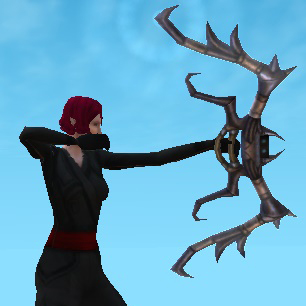

This guide was created by its original author on the Steam Community. Are you the author and want it removed? Request removal.