The Resource Curse Explained
The Creation of Nations
Throughout history, wars, peaceful agreements, and all sorts of political revolutions and deals have constantly altered the borders that make up a nation. From the third punic war and Chicken Ceasar's bringing of what is now Spain and Portugal into the Roman Empire to the Comanche campaigns struggling against the US and the Republic of Texas in the 19th Century, the dynamic history of our nations has defined, indeed, who we are - and where we live.
In civ 5 you get to make your own history, your own conquests and deals, to make your own empire. Much alike reality, these wars are partly based on resources, in the early game taking iron-rich cities to build your army, in the mid game maybe conquering for coal instead, to build the much praised factory building (excuse the tmesis). Also like reality, some civilisations start with more resources than others, in economics this is known as factor endowment. Some even discover more resources than they once thought they had. Take Zambia for example, well known for its plentiful copper reserves, and having only mapped approx. 60% of its land for such minerals.
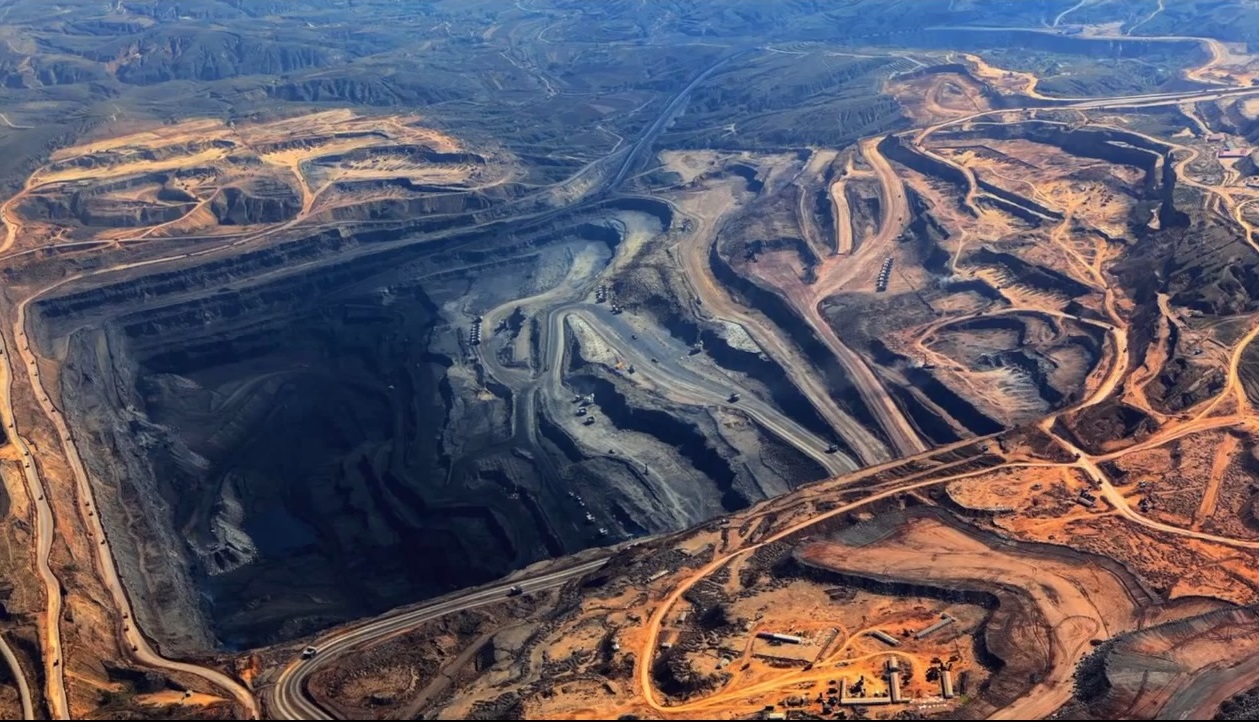 (In Zambia, copper makes up 70% of their exports, providing them with the revenue to afford imports such as advanced technologies to improve their infrastructure. The amount of imports you can afford with your exports, in terms of prices (not quantities), is known as the terms of trade, so if you have declining terms of trade due to falling export revenue, because of the falling copper prices, then you can afford fewer imports. So is factor endowment a good thing? Read on to find out.)
The widely held perspective is that more resources is a good thing. Often it is, it is the primary factor when we consider whether we have a good start or not in civ 5. Some of us go as far as to crash onto that 'restart' button as soon as we see a sparse landscape, like its allergetic to even look at a plain old plains tile or the accursed tundra n' desert. Should we? Is having fewer resources really a bad thing? Is it as bad as we think it is? Thus comes to the stagelight the fascinating theory of the resource curse.
In civ 5 you get to make your own history, your own conquests and deals, to make your own empire. Much alike reality, these wars are partly based on resources, in the early game taking iron-rich cities to build your army, in the mid game maybe conquering for coal instead, to build the much praised factory building (excuse the tmesis). Also like reality, some civilisations start with more resources than others, in economics this is known as factor endowment. Some even discover more resources than they once thought they had. Take Zambia for example, well known for its plentiful copper reserves, and having only mapped approx. 60% of its land for such minerals.
(In Zambia, copper makes up 70% of their exports, providing them with the revenue to afford imports such as advanced technologies to improve their infrastructure. The amount of imports you can afford with your exports, in terms of prices (not quantities), is known as the terms of trade, so if you have declining terms of trade due to falling export revenue, because of the falling copper prices, then you can afford fewer imports. So is factor endowment a good thing? Read on to find out.)The widely held perspective is that more resources is a good thing. Often it is, it is the primary factor when we consider whether we have a good start or not in civ 5. Some of us go as far as to crash onto that 'restart' button as soon as we see a sparse landscape, like its allergetic to even look at a plain old plains tile or the accursed tundra n' desert. Should we? Is having fewer resources really a bad thing? Is it as bad as we think it is? Thus comes to the stagelight the fascinating theory of the resource curse.
Everyone Wants To Be An Oil Pump
In the 1960s the Dutch suddenly realised 'Hang on, whats all this stuff?' upon the discovery of massive gas reserves within their borders. The exact same happens in civ 5, when your farm suddenly gets black splotches on it that the old farmer from 4000BC didn't notice 'til now. The effects of the Dutch going from a relative lack of natural resources compared to its European counterparts, and more severly compared to Russia and America, to a much improved factor endowment, has allowed economists to much better research the effects of having resources on a nation. Thus the neologism the Dutch Disease was created. Doesn't sound like a good thing, does it?
Lets say the Dutch and the Germans are on the same civ 5 game. Dem Germans didn't get no gas to make their panzers with. Darn. The Dutch, having conquered a lot of coast with their Sea Beggars, have massed a good strong bunch of oil resources along their coastline. Now, lets pacify things and say war won't happen between the two. Spoiler alert, it won't.
At first, the Dutch are building their own tanks with the oil they've found, looking for some marshlands to conquer down south. Soon though, they realise that the Germans are simply better at making tanks. For one, the Germans have the Hanse, increasing a lot of their cities production by 5%, also the Panser is better than the ordinary run-of-the-mill tank. More importantly, and this is the bit to remember, the Dutch are simply better off selling oil than they are tanks. Dutch factories close up their tank making operations to seek the abnormal profit in the oil industry, everyone wants to be an oil pump.
 (Dutch firms start selling gas.)
Lets say the Dutch and the Germans are on the same civ 5 game. Dem Germans didn't get no gas to make their panzers with. Darn. The Dutch, having conquered a lot of coast with their Sea Beggars, have massed a good strong bunch of oil resources along their coastline. Now, lets pacify things and say war won't happen between the two. Spoiler alert, it won't.
At first, the Dutch are building their own tanks with the oil they've found, looking for some marshlands to conquer down south. Soon though, they realise that the Germans are simply better at making tanks. For one, the Germans have the Hanse, increasing a lot of their cities production by 5%, also the Panser is better than the ordinary run-of-the-mill tank. More importantly, and this is the bit to remember, the Dutch are simply better off selling oil than they are tanks. Dutch factories close up their tank making operations to seek the abnormal profit in the oil industry, everyone wants to be an oil pump.
(Dutch firms start selling gas.)
Chocolate and Economic Growth, The Good Life
So now we have a situation where the Dutch sell oil to the Germans, and the Germans make glittering panzers that glide like a bird with their +1 movement. This can actually be a good thing.
In accordance to the Hecksher-Ohlin theory, the Dutch have a comparative advantage in their factor endowment, oil. This means that (use that phrase in your essays) they are better at selling oil relative to other countries. As a result the Dutch can maximise their export revenue by taking full advantage of their plentiful resources (remember Zambia's 70% export rev from copper?), providing them with more revenue to afford imports without creating a trade deficit. In civ 5, sellin all dat oil for 5 gold per turn, if not more, can allow them to afford more imports of citrus or cocoa so the Dutch can keep their happiness up to support their wide playing style - cuz chocolate solves everything.
 (I command you to be hungry.)
Alternatively, the extra revenue can lead to a trade balance surplus to improve their current account, leading, ceteris paribus, to a balance of payments surplus. This means that money is being injected into the economy, 5 extra gold per turn. This money can create invaluable economic growth for nations, especially important for developing economies such as Zambia, creating jobs vis-a-vis a rise in national income, reducing poverty (ONLY POTENTIALLY, AS THE DISTRIBUTION OF INCOME IN AN ECONOMY WILL DETERMINE THIS). In civ 5, the Dutch might use the extra 5 gold per turn to fund building construction, if an oil refinery existed in the game. These refineries could have specialist slots to fill with once-unemployed peeps.
In accordance to the Hecksher-Ohlin theory, the Dutch have a comparative advantage in their factor endowment, oil. This means that (use that phrase in your essays) they are better at selling oil relative to other countries. As a result the Dutch can maximise their export revenue by taking full advantage of their plentiful resources (remember Zambia's 70% export rev from copper?), providing them with more revenue to afford imports without creating a trade deficit. In civ 5, sellin all dat oil for 5 gold per turn, if not more, can allow them to afford more imports of citrus or cocoa so the Dutch can keep their happiness up to support their wide playing style - cuz chocolate solves everything.
(I command you to be hungry.)Alternatively, the extra revenue can lead to a trade balance surplus to improve their current account, leading, ceteris paribus, to a balance of payments surplus. This means that money is being injected into the economy, 5 extra gold per turn. This money can create invaluable economic growth for nations, especially important for developing economies such as Zambia, creating jobs vis-a-vis a rise in national income, reducing poverty (ONLY POTENTIALLY, AS THE DISTRIBUTION OF INCOME IN AN ECONOMY WILL DETERMINE THIS). In civ 5, the Dutch might use the extra 5 gold per turn to fund building construction, if an oil refinery existed in the game. These refineries could have specialist slots to fill with once-unemployed peeps.
The Oil Endemic
Oil, though, becomes the second non-pathogen-transmittable endemic in world history, it would seem.
Lets think about it for a bit. Is this economic growth the right kind of economic growth? Do we really need this much chocolate? When looking at the resource curse, the second point isn't really a point of discussion, we all want chocolate. But the first point is vital, is this growth sustainable? Does it benefit the right people, the hardworking taxpayers?
To put it briefly, no.
Well, usually not. Some countries such as America have developed amazingly with a good factor endowment. Export revenue is a good thing, that's not really disputable. But look at the types of jobs created - Dutch engineers have become oil extractors while back in the real world American who-knows-whats have become cotton farmers, not the most skilled jobs, certainly not the most high paying jobs. Yes, I accept that the Federation slaves weren't coming from a life of luxury, but the point is the labour force is less skilled, there are more cotton plantation workers. Same goes for Zambia; copper mining makes up more employment in their economy than any other sector less agriculture. These jobs cause a loss of productivity in the workforce as they lose their once-needed skills (hysterisis, the loss of unused skills over time), leading to lower wages (plantations, mines, and the like historically have been pretty low paid jobs, hard work too, lowering the standard of living in the economy).
Furthermore, what if the almighty Swedish empire marches a härskara of Caroleans way down south and wipes out those Germans? What if right nau the trade-rich Portugal floods the German border and takes em off da map? The Dutch suddenly have loads of oil and no-one to sell it to (Naus and Caroleans don't require oil). Even if it means they could start using the oil for themselves, they'll have lost their export revenue stream, meaning no more chocolate.
Sorry Guus, were going to have to take that away now, since no one wants our gas anymore, we've had to do some downsizing. I don't know how to say this, but, that includes the choco-bonus on your paycheck. No, look, please don't cry Guus, I'll get you some Fruit Loops when our profits go up, ok? I promise.
What I'm getting at here is that you can end up being over-reliant on your resource; Zambia's faltering economy as copper prices have slumped, the poor chocolate deprived Guus, and so on. In civ 5, if you made +5 gold per turn selling iron to the Romans, making a net +2 gold because of unit maintainence or whatever, then they conquered a civ and didn't need your iron anymore, suddenly you enter an economic slump, or depression (when the economy shrinks) of -3 gold per turn. If you never had that iron, then you would have kept costs at a level where you would make money without export revenue, meaning you are not export dependent. Yes, you cannot afford as high costs as before, so growth is slower as the economy cannot afford as many imports of advanced technology (to boost productivity), but your growth is much more sustainable, less dependent on export prices.
Lets think about it for a bit. Is this economic growth the right kind of economic growth? Do we really need this much chocolate? When looking at the resource curse, the second point isn't really a point of discussion, we all want chocolate. But the first point is vital, is this growth sustainable? Does it benefit the right people, the hardworking taxpayers?
To put it briefly, no.
Well, usually not. Some countries such as America have developed amazingly with a good factor endowment. Export revenue is a good thing, that's not really disputable. But look at the types of jobs created - Dutch engineers have become oil extractors while back in the real world American who-knows-whats have become cotton farmers, not the most skilled jobs, certainly not the most high paying jobs. Yes, I accept that the Federation slaves weren't coming from a life of luxury, but the point is the labour force is less skilled, there are more cotton plantation workers. Same goes for Zambia; copper mining makes up more employment in their economy than any other sector less agriculture. These jobs cause a loss of productivity in the workforce as they lose their once-needed skills (hysterisis, the loss of unused skills over time), leading to lower wages (plantations, mines, and the like historically have been pretty low paid jobs, hard work too, lowering the standard of living in the economy).
Furthermore, what if the almighty Swedish empire marches a härskara of Caroleans way down south and wipes out those Germans? What if right nau the trade-rich Portugal floods the German border and takes em off da map? The Dutch suddenly have loads of oil and no-one to sell it to (Naus and Caroleans don't require oil). Even if it means they could start using the oil for themselves, they'll have lost their export revenue stream, meaning no more chocolate.
Sorry Guus, were going to have to take that away now, since no one wants our gas anymore, we've had to do some downsizing. I don't know how to say this, but, that includes the choco-bonus on your paycheck. No, look, please don't cry Guus, I'll get you some Fruit Loops when our profits go up, ok? I promise.
What I'm getting at here is that you can end up being over-reliant on your resource; Zambia's faltering economy as copper prices have slumped, the poor chocolate deprived Guus, and so on. In civ 5, if you made +5 gold per turn selling iron to the Romans, making a net +2 gold because of unit maintainence or whatever, then they conquered a civ and didn't need your iron anymore, suddenly you enter an economic slump, or depression (when the economy shrinks) of -3 gold per turn. If you never had that iron, then you would have kept costs at a level where you would make money without export revenue, meaning you are not export dependent. Yes, you cannot afford as high costs as before, so growth is slower as the economy cannot afford as many imports of advanced technology (to boost productivity), but your growth is much more sustainable, less dependent on export prices.
Spend Wisely Bro
So are resources a bad thing?
Not always, but yeah, sometimes, could be, it depends.
It depends on whether the export revenue is spent wisely, for example aiding the productivity of workers, educating peeps, and creating the infrastructure needed to allow the economy to diversify, creating a beast business climate where firms not selling raw materials can make strong profits and be internationally competitive. Thats what Amurica did, thats what Zambia could do more of. A disease doesn't strike everyone, some people who take the right precautionary measures can avoid it.
Hope y'all learned something today,
Hugo Amaro

Not always, but yeah, sometimes, could be, it depends.
It depends on whether the export revenue is spent wisely, for example aiding the productivity of workers, educating peeps, and creating the infrastructure needed to allow the economy to diversify, creating a beast business climate where firms not selling raw materials can make strong profits and be internationally competitive. Thats what Amurica did, thats what Zambia could do more of. A disease doesn't strike everyone, some people who take the right precautionary measures can avoid it.
Hope y'all learned something today,
Hugo Amaro
More Sid Meier's Civilization V guides
- Real Populations★ 5 (1.2k)79k views1.2k ♥2 minBulgarianUpdated Aug 31, 2017
- Civ-specific tricks, secrets and clarifications (BNW)★ 5 (1k)53k views2.2k ♥96 minUpdated Jun 30, 2019
- Zigzagzigal's Civ Summaries (BNW)★ 5 (1.5k)49k views3.9k ♥134 minUpdated Jun 30, 2019
- Who to Trust and Who to Avoid in Civ V★ 5 (570)41k views802 ♥12 minUpdated Jul 8, 2016
- How to win the Korea Scenario as Korea on Deity in 16 turns★ 5 (532)41k views828 ♥15 minUpdated Apr 1, 2016
- Civilization V Achievement guide★ 5 (2.4k)39k views4.2k ♥134 minUpdated Jun 13, 2014




This guide was created by its original author on the Steam Community. Are you the author and want it removed? Request removal.