Drifting Techs
Introduction
Drifting is a thrilling and skillful driving technique that transforms the act of going around corners into an art form. Unlike traditional driving, where the goal is to maintain maximum traction, drifting intentionally involves losing traction to slide the car through turns in a controlled manner.
Imagine yourself gliding through a corner, tires delicately dancing on the edge of grip, and the car elegantly sliding sideways. Drifting is all about the perfect balance between control and chaos, where the driver maneuvers the car in a way that showcases skill, precision, and a deep understanding of vehicle dynamics.
This guide is your entry to the world of drifting, from the basics of initiating a drift to the advanced techniques used by professional drifters. Whether you're a beginner eager to learn the fundamentals or an enthusiast looking to refine your skills, let's delve into the exhilarating world of drifting and uncover the secrets behind this captivating driving style. Get ready to embark on a journey where the road becomes your canvas, and your car becomes a brush, painting breathtaking slides around every bend.
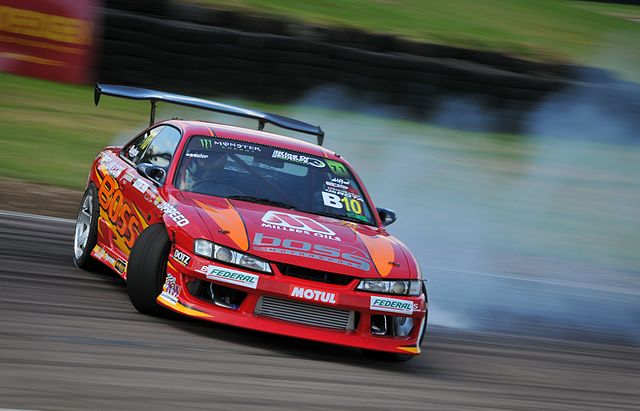
Which cars are best for drifting?
Theoretically, every single car is capable of drifting. However, cars that are equipped with rear-wheel drive are particularly good at this technique. A four-wheel drive can also make a good drift car.
Ideally, the car should have manual gears for the driver to exploit its full potential. The only way to do this is by having complete control of both gears and the clutch.
Professional drift cars usually rely on a special differential that distributes and balances the power between the front and rear axles. In addition, drivers have no driving aids such as ABS (anti-lock braking system) or TCS (traction control) in order to maintain full control of their cars at all times.
Drifting requires more than just a few sets of tyres, as the technique quickly wears the rubber down. To get started with drifting, you can go for relatively cheap, run-in rear tyres and invest a bit more in the front tyres, as they are crucial for grip, traction and control in corners.
For the front tyres, professionals usually use ones with good grip or even slicks – tyres that have no profile. In addition, the tyre pressure has a big impact and greatly depends on the specific vehicle, as well as personal preferences.
Drift dictionary
- Angle kit: A modification to the car’s suspension that allows for more steering angle, making it easier to initiate a drift.
- Apex: The point on a track where the car is closest to the inside edge of a turn.
- Countersteer Angle: The amount of steering input applied in the opposite direction of the drift to maintain control and balance the car's trajectory.
- Caster Angle: The angle at which the steering axis tilts forward or backward.
- Chase car: The car that follows the lead car during a tandem drift.
- Chase View: A camera angle that follows behind the drifting car, showing the driver’s perspective.
- Chassis Balance: The balance of weight distribution and suspension settings that affect the car’s handling during a drift.
- Clipping Point: A point on the track used to drift around a corner.
- Clipping Zone: A section of the track used to drift around a corner.
- Drift Angle: The angle at which the car is drifting, relative to the turn.
- Drift Circuit: A type of race track specifically designed for drifting competition.
- Drift Compression: The suspension movement that occurs as a car enters a turn and begins drifting.
- Drift Knuckles: Modified suspension parts that allow for greater steering angle and improved handling during drifting.
- Drift limiter: A device that limits the maximum speed of the car while drifting to prevent excessive wheel spin or power.
- Drift line: The path that a drifting car takes on the track, including the angle and trajectory of the car.
- Drift Machine: A term to refer to a car that is built specifically for drifting and have been modified accordingly.
- Drift missile : A type of drift car where the front and rear wheelbase are different, typically with the rear wheelbase being shorter than the front wheelbase.
- Drift Setup: The specific modifications and adjustments made to a car to optimize it for drifting.
- D1GP: Abbreviation for "Drift 1 Grand Prix," a professional drifting series that originated in Japan, known for its high level of competition and skill.
- Drift Taxi: A car ride service where customers pay to ride shotgun in a drifting car driven by a professional driver
- Drift Triangle: A technique where the driver links three turns together in a triangular pattern.
- E-brake: An emergency brake, mostly used for drifting to lock the rear wheels for initiation.
- Entry or initiation: The start of a turn or drift, the point at which the driver initiates the drift.
- Feather throttle : Gradually easing off the throttle pedal
- Feint: A steering input used to initiate a drift.
- Gymkhana: A motorsport that combines elements of drift, precision driving, and obstacle course racing.
- Lead car: The car in front of the chasing car during a tandem drift.
- Line choice: The specific path that a driver chooses to take through a turn or course.
- Line Control: The act of controlling the trajectory of the car during a drift.
- Linking turns: Drifting through multiple turns without losing drift angle or speed.
- Lockup: When brakes are applied and the wheels stop rotating.
- Manji: A technique where the driver swerves in and out of two corners, linking them in a fluid motion.
- Oversteer: A condition where the rear wheels lose traction, causing the rear of the car to slide out.
- Proximity: The distance between a drifting car and the wall or other cars on the track.
- Snap Oversteer: A sudden and dramatic loss of rear traction, causing the rear of the car to lose control.
- Steering Angle: The angle of the front wheels of the car in relation to the centerline of the car
- Style: The individualized way a driver executes a drift or a maneuver
- Sway Bar (Anti-roll Bar): A suspension component that reduces body roll during cornering, helping to stabilize the car and maintain control during drifting maneuvers.
- Stance: The overall aesthetic and stance of a drift car, often characterized by lowered suspension, aggressive wheel fitment, and modified bodywork.
- Tandem drifting: A type of drifting where two cars drift alongside each other, following each other’s lines.
- Toe-in: The angle at which the front wheels of a car point towards each other.
- Toe-out: The angle at which the front wheels of a car point away from each other.
- Transition: The movement from one drift angle to another.
- Understeer: A condition where the front wheels lose traction, causing the front of the car to slide out
- Wall tap/wall ride: A maneuver where the driver lightly grazes a wall with the back bumper, leaving a mark as a “badge of honor.” A wall ride is similar, but the car stays in contact with the wall for longer.
- Weight jacking: A technique where the driver manipulates the weight distribution of the car to improve grip, commonly transferring weight to the rear of the car.
- Welded diff: A modification to the car’s differential where the gears are welded together, causing the rear wheels to move at the same speed, which can help the car initiate a drift.
- Wheel Hop: when the wheel loses contact with the ground and “hops” or skips on the surface, commonly caused by too much power or hard shifting.
Double Clutch Drift
Reverse Entry
Handbrake 360 Spin
Jump Drift
Throttle Blipping
Brake Bias Adjustment
Weight Transfer Initiation
Choku-Dori (Swaying Drift)
Scandinavian Flick
The Scandinavian flick, or pendulum turn, is a pre-drift maneuver used to initiate a slide before entering a corner. This technique involves a deliberate weight transfer in the opposite direction of the intended drift, creating lateral force that induces oversteer. The driver quickly counteracts this initial movement with aggressive counter-steering, initiating the drift. The Scandinavian flick demands precise timing and execution, relying on the driver's ability to read the road ahead and anticipate the ideal moment for weight transfer to initiate a controlled drift entry.
- Turn briefly towards the outside of the corner, using trail braking if necessary (feathering the brake into the corner) to reduce any understeer you might experience. You don't want to take a lot of time over this motion, just enough to create a weight transfer to the inside wheels.
- Almost immediately turn in sharply in the correct direction of the corner. When done properly, the reverse in weight transfer to the outside wheels should unsettle the rear of the car enough to break traction.
- The back of the car will start to come round - this tightens the radius of the turn and thus allows quite tight corners to be taken at speed. Counter steer if necessary to keep the car heading in the desired direction. Once you're past the apex of the corner, gradually reduce the amount of steering lock. Once you have completed the corner, apply progressive throttle to accelerate out of the corner.
Feint Drift
Trail Braking
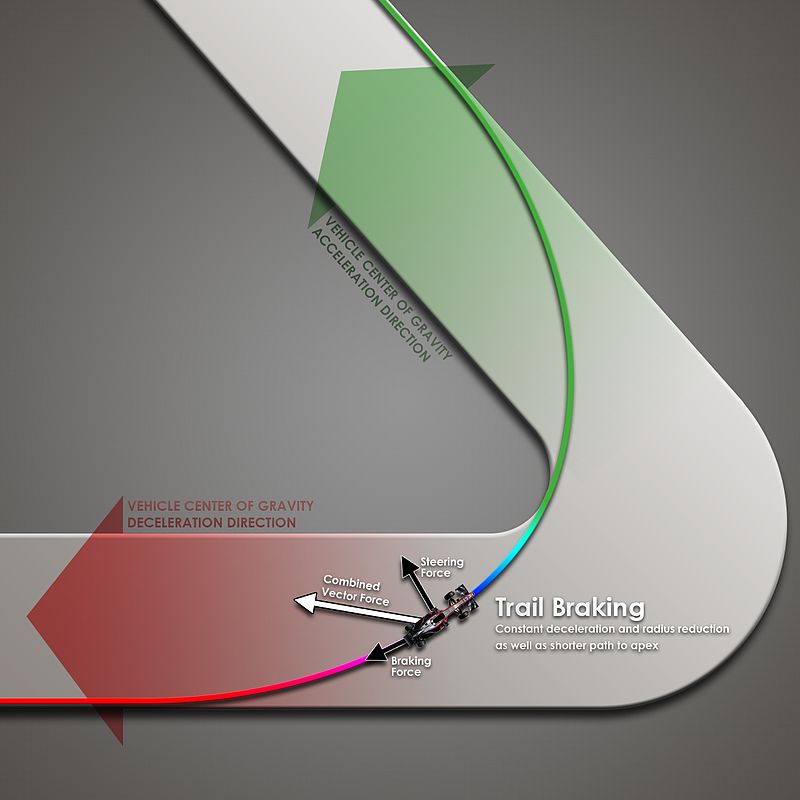
Crank Slide
As drifting competitions evolved, with judges placing emphasis on smooth transitions and controlled angles, the crank slide became less prevalent. The technique, however, remains an iconic representation of the bold and dynamic driving styles that characterized early drifting.
FF Drift
Handbrake Turn Entry 2.0
Dirt Drop Drift
Left Foot Braking
Shift Lock Drift
Counter-Steer Transition
Power Over
Kansei Drift
ILLEGAL DRIFTS
These kinds of drifts are extremely illegal worldwide. Drift at your own risk!
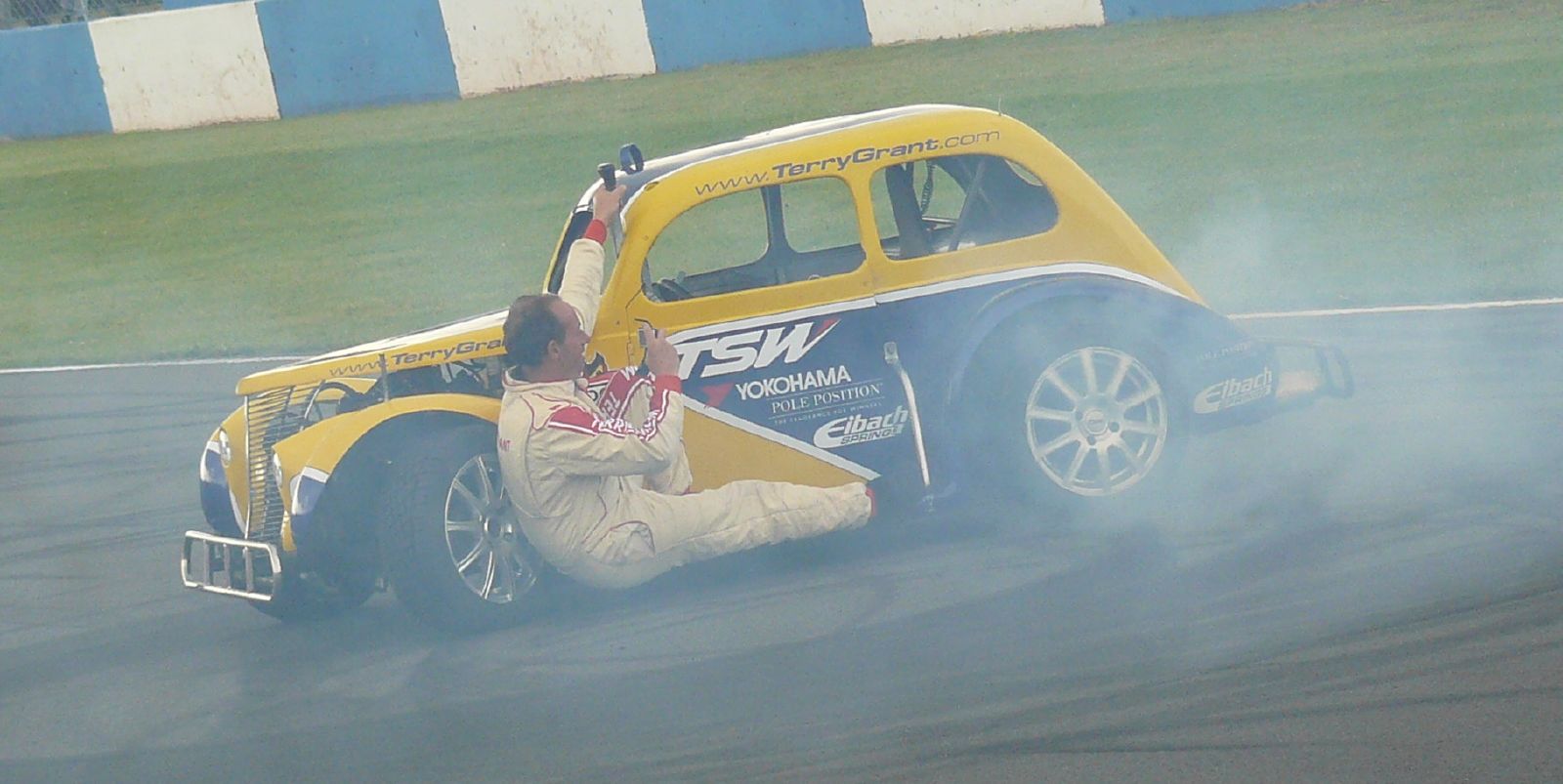
The technique differs from high-speed cornering on tracks as cars drift sideways at high speed and recover with opposite lock. Tafheet practice and events occur with little or no concern for vehicle occupants, other drivers, or spectator safety, as a result there are many fatal accidents.
Performing the doughnut maneuver can be hazardous. Strain is placed on the vehicle's suspension and drivetrain, which may result in mechanical breakdown with loss of control. Tires are also subject to severe wear which may result in a sudden loss of pressure or blowout. In snow, however, the strain placed on the vehicle is much less. Hence, rally drivers prefer to learn car control in such situations.
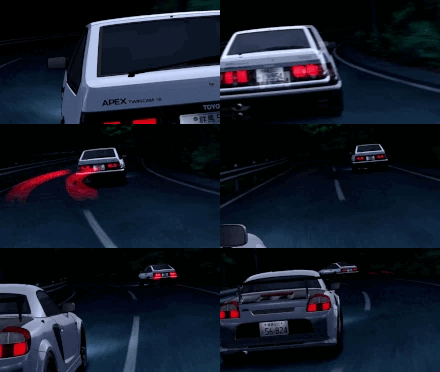
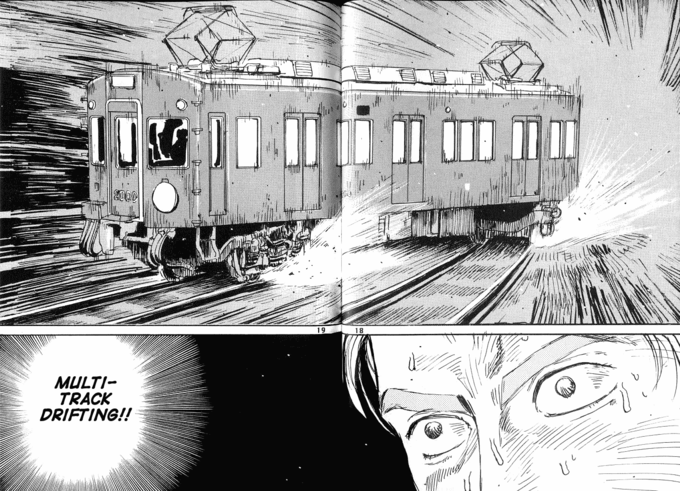
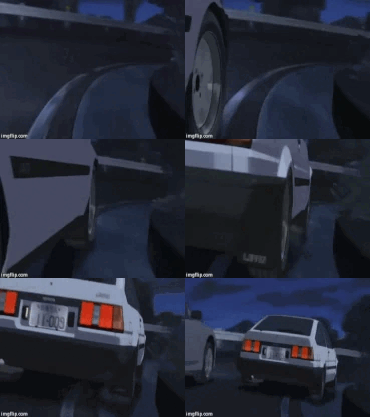
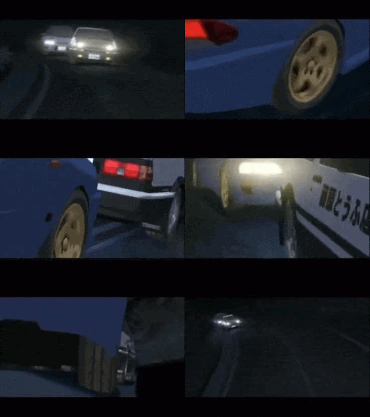
FICTIONAL DRIFTS
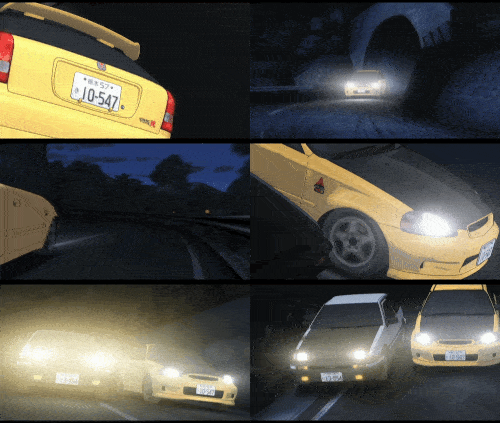
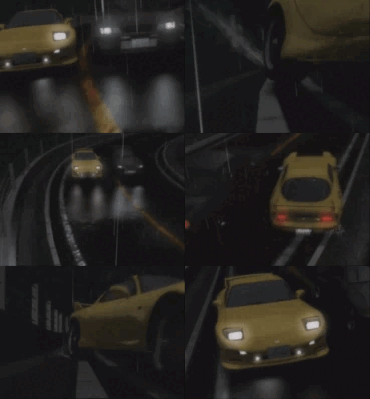
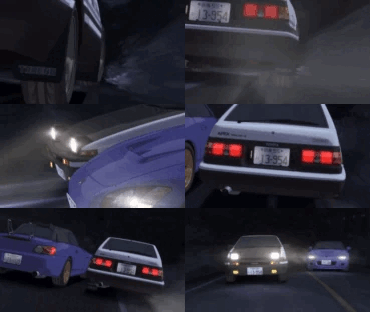
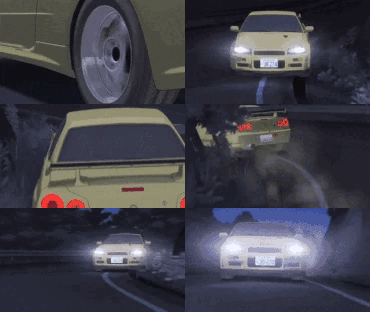
Fictional drifting styles in media are often exaggerated and stylized to enhance the visual spectacle and excitement. Here are a few examples of made-up drifting styles:

Drifting tips
The end
- Установка модов в игру Assetto Corsa★ 5 (364)52k views873 ♥1 minRussianUpdated 9 Sep, 2020
- Best mods for Assetto Corsa★ 5 (866)47k views2k ♥6 minUpdated 20 Apr, 2024
- [2023] How to stop playing Assetto Corsa★ 5 (873)34k views251 ♥1 minBulgarianUpdated 13 Nov, 2023
- HOW TO OPEN THE GAME★ 5 (1.5k)33k views272 ♥1 minBulgarian
- No.1 AC Guide - A Simple Set Up Cheat sheet that works.★ 5 (1.2k)30k views2.4k ♥1 minUpdated 8 Jun, 2022
- Русификатор для Assetto Corsa V 1.0★ 5 (725)30k views738 ♥2 minRussianUpdated 18 Mar, 2025




- Upgrading to PremiumTeam Fortress 2★ 5 (20k)1441k views11k ♥6 minUpdated May 11, 2022
- No More Room in Hell Official ManualNo More Room in Hell★ 5 (2.8k)569k views2.1k ♥29 minUpdated Apr 22, 2019
- NMRiH Community Hosting GuidesNo More Room in Hell★ 5 (526)351k views653 ♥1 minUpdated Aug 10, 2022
- ULTIMATE GUIDE FOR GAME DEV TYCOONGame Dev Tycoon★ 5 (5.8k)326k views10k ♥4 minUpdated 23 Jan, 2014
- How to 'Git Gud' Soon™MORDHAU★ 5 (2k)318k views3k ♥68 minUpdated Nov 16, 2024
- Лучшие кооперативные игры SteamPAYDAY 2★ 5 (1.5k)315k views2.1k ♥56 minRussianUpdated Apr 27, 2025





This guide was created by its original author on the Steam Community. Are you the author and want it removed? Request removal.