Some Deck Builds & Strategies
Introduction
Your goals are, broadly speaking, the following:
Attack/use actions.
Don't get hit and regain health.
Attack/use actions or force them to attack your own creatures.
Employ Guards, Wards, and decoys. Make it undesirable for your opponent to damage your creatures.
Have many creatures and manipulate the lanes to your benefit. Have the most magicka.
Destroy their creatures, and don't let them make gameplay changes for their benefit..
This is the whole point of the guide you're reading.
Don't run out!
You will win by being good at offense, but you have to make sure your opponent doesn't do it first.
This guide is intended to provide a mildly experienced player with new ideas for deck builds and general strategies. The deck's focus will be on one or more of the goals outlines just above. This guide is by no means complete; I update it anytime I come up with something new, or lose to something particularly good. Come crush me, and perhaps your strat will be added next!
Also, this guide is geared towards multiplayer Versus gameplay strategies. This means they're meant to be used against human beings over the internet in ranked or casual Versus mode. You can apply a lot of them to Arenas, Gauntlets, and anything singleplayer, but that is not what they are developed for.
Last thing: I do not believe that there exists one single "most effective tactic available" (META). I'm going to stick with that idea through this guide and put a heavy emphasis on strengths and weaknesses, rather than atom bombs. So there. Now you know. Biases established. Moving on.
Hammertime
- Deal as much damage as possible.
- Do it as fast as possible.
Pairs well with...War Cry, Oblivion Needs You, Of London, Malacath's People, Fus Ro DuUh, Here Be
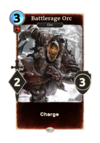
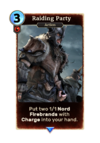
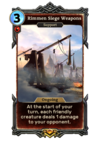
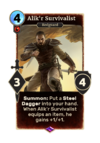
 If you want to avoid this outcome, please follow these steps:
- Go with a Strength deck. Add whatever else you wish (Intelligence is a good call for a pure Hammertime deck), but the Strength attribute is really the only viable way to pull off the massive amounts of damage you will need to do as fast as you need to do it.
- Include a sufficiently large number of low-cost cards to ensure that you will be the one to draw first blood.
- Use items liberally. Actions, beast form, and last gasp abilities are also handy.
- Make a plan to mitigate your opponent's inevitable gain in cards.
Triumphant Jarl leverages your higher health
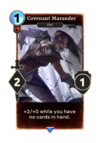
Covenant Marauder and Angry Grahl strengthen you even when out of cards
Rapid Shot and Stronghold Patrol help you gain cards
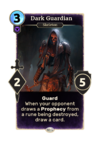
Dark Guardian and Eastmarch Crusader ensure you're gaining cards when you break your opponent's runes. - Plan to deal a lot of damage! Although you need to be careful about accidentally giving your enemy the upper hand, you also need to keep hitting them.
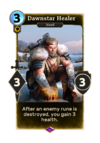
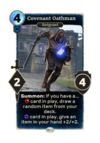
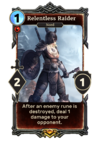
Consider Relentless Raider, Riften Pillager, and Morthal Executioner to maintain strength even as they lose runes. Dawnstar Healer keeps your health up if you've done damage to yourself.
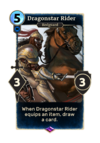
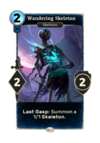 Keep your opponent from controlling the board! Can't stress this enough. Use charge, battle, mobilize, whatever you have to do, but DO NOT let them hit you. Remember that your goal is to hammer your opponent, even at the cost of your own creatures and health. Take down their creatures and chip away at their health, never relinquishing control of the board.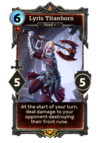
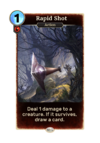
Other late game recommendations:
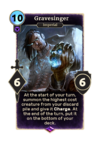
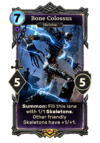
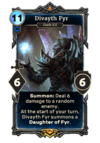
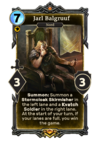
 Remain calm when faced with drain, lethal, silence, etc. The only thing you need to be worried about is shackle - it's not good if you haven't established board control yet. Be wary. Dres Renegade is a decent guard which can help with this.
I continue to recommend Hammertime decks, however, because it is the BEST counter to an Infiniheals deck that exists. Aside from a few specific executions of more long-term strategies of course (recall that META is a government lie propagated to keep you complacent). But Hammertime is the most likely to catch an Infiniheals deck off-guard and give it a run for its money, provided you can maintain board control.
Oblivion Needs You
Pairs well with Hammertime and Infiniheals (believe it or not) decks.
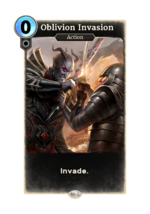
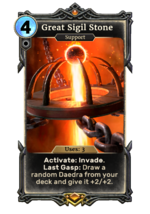
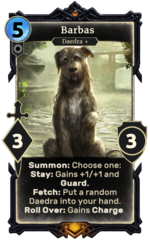
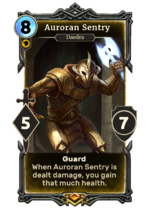
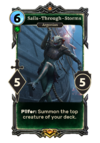
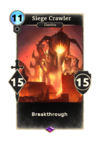
- Start with an attribute that has enough relevant cards. Strength is an excellent choice, followed by Willpower, Intelligence, and finally Endurance.
- Pack it full of cards which summon Oblivion Gates. More than you think you need. Trust me on this. Ensure that a good portion (~25-30%) are low-cost to ensure a quick start.
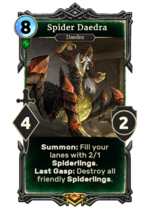
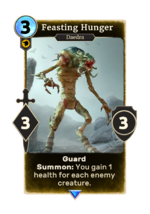
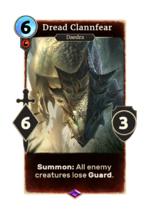
- Now add lots of Daedra, creatures that summon Daedra, and a few actions that help you with (you guessed it) getting Daedra. Make sure to have lots of creatures with Guard and/or Charge.
- Keep other cards to a minimum except what is necessary to save your butt if your Oblivion Gates (or all your creatures defending one) are destroyed.
- Plan ahead on ways to gain extra creatures and cards. Because 1/3 of your cards have to do with Invading, you are inherently summoning fewer creatures. Plus, your opponent will be looking to take down your Gates (if they have any clue what they're doing).
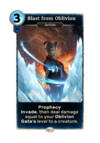
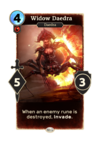
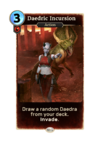
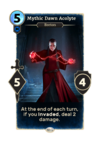
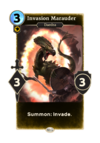
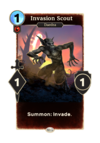
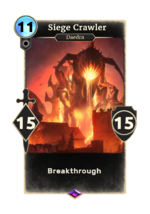
Once your Oblivion Gates are at level 4 or so, even weak, low-cost creatures are quite powerful, so protect those gates! If you see that you can't protect a high-level gate the next turn, summon every creature you can in hopes of a useful Keyword. Pro-tip: You can use cards to unsummon creatures with Invade or even oblivion Gates - reduce, reuse, recycle!
Although the gates are your lifeblood, it is important to accept that sometimes you need to cut your losses. For example, say I have a lvl 3 gate. I'm just short of gaining keywords. However, my opponent has just played a creature with lethal. I have two cards with Invade in my hand. I can play them now and hope that my opponent doesn't take down my gate next turn, or I can wait and play them both next turn after my gate may have been destroyed. You choose whether to risk wasting 5 invasions, or play a creature now - either defeating that lethal enemy, or prepared to protect the new gate you summon after the old one is destroyed.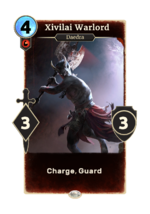
Infiniheals
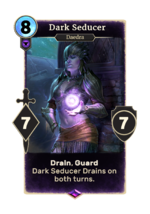
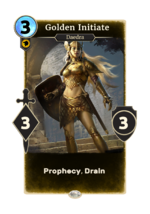
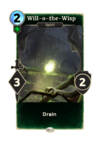
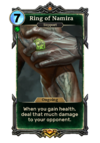
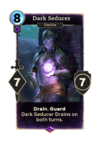
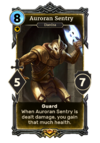
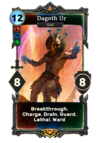
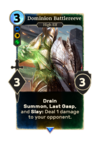
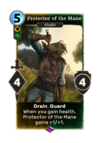
- Plays anything with Drain.
- Protects cards with Drain. How you do this is up to you, but without those cards, you're not going to be able to keep gaining health.
- Maintains high health throughout the game. Comebacks are harder to pull off than easy victories won through unbeatable walls of health shielding your first rune.
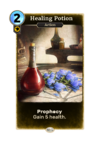
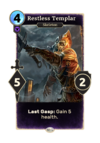
- Includes other strategies of gaining health. This could mean using cards with "gain health" Last Gasp abilities (Ex: Restless Templar), actions (i.e. buttloads of Healing Potions), or beneficial Summon abilities. This is what differentiates between a predictable (read: weak) Infiniheals deck and one prepared for anything.
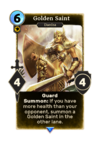
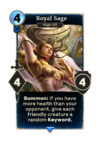
- Choose the appropriate Deck Attribute(s). Strong choices include Willpower and Endurance, as they have the most "gain health" cards. Agility is good, too.
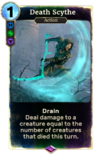
- Make sure to include lots of cards with Drain, especially with low cost.
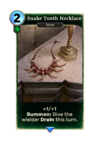
- Pair high-strength creatures with actions and items that will give the wielder Drain, even for just a turn (e.g. Snake Tooth Necklace). Play the creatures first, so as not to waste your other cards if your opponent destroys/silences that creature.
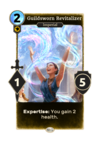
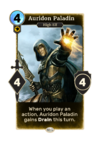
- Include other ways of gaining health including Last Gasp and Summon abilities, Actions, and Support cards. Maximize health gain with cards like Ebonheart Oracle and stacked actions with Expertise cards such as Guildsworn Revitalizer, or Auridon Paladin. Also stack supports with cards that gain health as you summon them/others (Bruma Profiteer).
- Protect your health-gaining cards with Guards, Wards, ways to avoid Silence, etc.
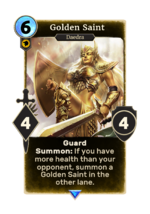
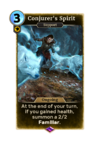
- Do not rely on a wall of health to win. Use your health to your advantage! There are several cards (Golden Saint, Royal Sage, Conjurer's Spirit) which grant bonuses if you have more health than your opponent/gain health. Which you should.
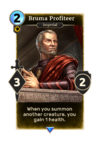
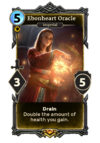
- Cards with Ward. If you're using a lot of Drain cards, remember that you only gain health when you deal damage. Creatures with Ward by definition don't take damage - ergo, attacking them isn't going to help you much. Try going for your opponent instead, or breaking the wards with weaker cards.
- Cards with Shackle, Silence, or Lethal. Again, with Drain cards, if you can't deal damage, you can't gain any health, and all these other strategies can put your Draining creatures out of commission. One caveat to this: Last Gasps and actions are going to be less affected, which is why it's important to have those around too.
A Thousand Tiny Cuts
Pairs well with... Hammertime, Om Noms, War Cry...
- Select the right attributes: Willpower will help you summon many creatures quickly. Strength will do damage using your many creatures. Endurance will use your rapidly-filling discard pile to your advantage.
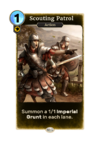
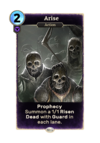
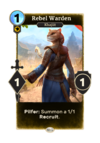
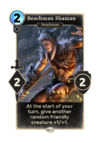
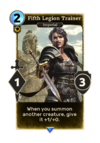
- Start with lots of creatures you can play in the first three turns which have useful bonuses. Pay special attention to creatures like Rebel Warden which are low-cost but can summon more. Actions that summon multiple creatures are also useful (Scouting Patrol, Arise, Raiding Party).
- Use actions and items to level up your low-cost cards once played. Do NOT play these onto creatures which have just been summoned - this risks your opponent silencing your 4/1 Drain creature back to a 1/1. Consider combining this deck with a War Cry deck (Rally) to compensate for your primarily low-power cards.
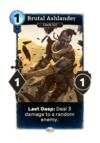
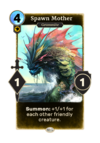
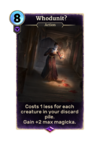
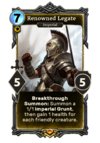
- Reap the benefits of having many creatures in play, such as by using cards like Bruma Profiteer, Spawn Mother, Rimmen Siege Weapons, and Renowned Legate. Don't forget the advantages that come with having lots of expendable cards (Doomed Adventurer, Brutal Ashlander) and a big discard pile (Whoodunit?).
- Keep your opponent exposed by destroying/silencing guards (Lethal cards are key).
- Be careful to include a few more powerful cards to counter endgame creatures. Plan ahead.
- Maintain cards in your hand at all times! Quantity-based decks are particularly susceptible to running out of cards, so you will need methods of drawing cards. On the bright side, magicka is virtually not an issue for you.
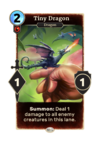
- Beware of cards that do a little damage to a lot of cards (Tiny Dragon, Guildsworn Incendiary, Blastbones...actually a lot of Strength cards).
- As soon as your opponent has 4 or 5 magicka, you need to be thinking about the next phase of your plan. You will not be able to continue summoning dozens of low-cost creatures as you run out of cards and your opponent starts laying down the 4+ health guards. Tiny Cuts is not an endgame-centric deck!
Despite the fact that I can't name one deck that Tiny Cuts can beat all the time, my most successful deck ever is a Tiny Cuts/Om Noms/Cheap Shots combo deck (I call it 'bob'). I find the high volume of low cost cards to be a lifesaver at the beginning and a welcome help at endgame. I couldn't tell you why this works so well, but it could be that people just aren't expecting a deck to really get going until turn 3 or 4, while a well-executed Tiny Cuts hits the ground running and never stops.
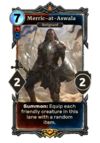
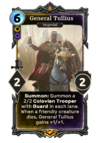
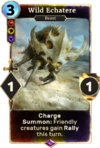
Janus
- I Need Dis
- Om Noms
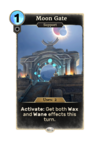
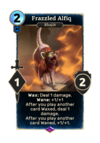
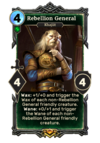
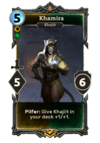
- First and foremost, you need cards which increase the strength of wax and wane cards. Prime example: Moon Gate. Frazzled Alfiq and Rebellion General can also be useful for this purpose, albeit in a different way.
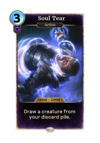
- Since these cards are primarily one-and-done, you may wish to look into ways to reuse them (think, summoning from the discard pile, reactivating summon bonuses, or increase the number of uses of supports).
- Build your deck as normal from here out, being careful to maintain a balance of low- and higher-cost cards. Do not be too reliant on cards with any one specific cost, as even if you have enough magicka to play them, it may be wise to wait a turn until you can use the appropriate bonus.
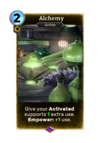
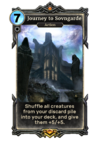
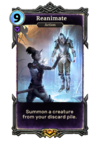
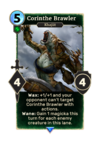
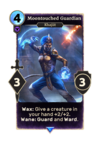
Hail Mary Pass
Pairs well with... Any three-attribute deck I guess?
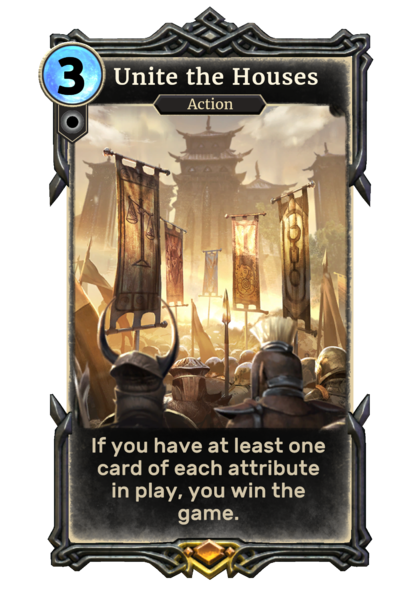
- Put this card[en.uesp.net] in your deck
- Keep your deck size small
- Include cards of as many attributes as possible.
- Steal cards from your opponent to get other attributes.
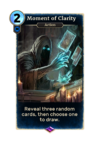
- Use cards that give you [multiple] random cards to get yet more.
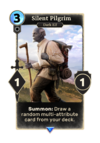
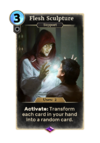
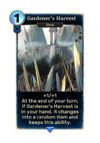
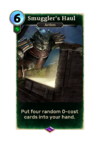
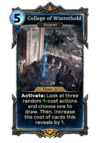
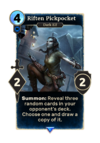
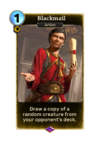
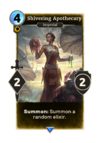
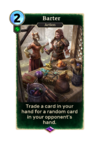
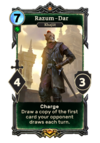
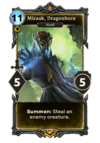
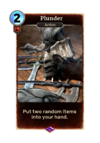
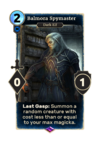
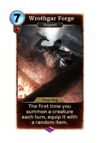
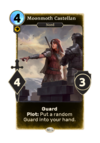
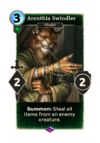
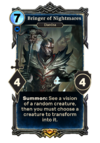
You have to have SIX cards of different attributes in play AT THE SAME TIME WITHOUT YOUR OPPONENT NOTICING. If they see you have Unite the Houses, all they have to do is destroy that support OR destroy one of your non-main attribute cards to stop your plan. Have more than one plan!
Mostly, to pull this off you have to a) draw Unite the Houses and b) perform the setup without tipping off your opponent. I've never seen someone do this successfully in plain old Versus, so your guess is as good as mine as to how to pull it off. I did see someone do it in a Gauntlet with only 30 cards, and of course there's the challenge that gives you the card in the first place, so maybe practice in those places.
Ok, if I'm being fair, if you manage to get all the setup done AND you don't tip off your opponent about what you're doing, once you play Unite the Houses, there is almost nothing they can do. They will be very embarrassed having just lost to this one-off deck. While it is true that nobody ever sees this coming, that's because the setup is so hard to pull off. So as I said at the beginning, be vewy vewy cautious, you're hunting victowy.
- How to link Bethesda Account and get FREE rewards for watching Twitch streams!★ 4 (65)6.7k views46 ♥2 minBulgarianUpdated 7 Aug, 2017
- Beginner's Guide for Elder Scrolls Legends! {seeking help}★ 4 (73)5.3k views69 ♥15 minUpdated 27 Jun, 2019
- Тренировки Кая - решение головоломок★ 4 (129)4.1k views59 ♥1 minRussianUpdated 7 Apr, 2018
- How to deal with slow players (ropers)★ 4 (83)4k views14 ♥2 minUpdated 5 Nov, 2017
- Caius' Training Puzzle Hints & Solutions★ 4 (83)3k views57 ♥16 minUpdated 8 Apr, 2018
- Лучшие легендарные карты The Elder Scrolls: Legends★ 4 (106)2.6k views76 ♥5 minRussianUpdated 17 Jan, 2018


- Upgrading to PremiumTeam Fortress 2★ 5 (20k)1441k views11k ♥6 minUpdated May 11, 2022
- No More Room in Hell Official ManualNo More Room in Hell★ 5 (2.8k)569k views2.1k ♥29 minUpdated Apr 22, 2019
- NMRiH Community Hosting GuidesNo More Room in Hell★ 5 (526)351k views653 ♥1 minUpdated Aug 10, 2022
- ULTIMATE GUIDE FOR GAME DEV TYCOONGame Dev Tycoon★ 5 (5.8k)326k views10k ♥4 minUpdated 23 Jan, 2014
- How to 'Git Gud' Soon™MORDHAU★ 5 (2k)318k views3k ♥68 minUpdated Nov 16, 2024
- Лучшие кооперативные игры SteamPAYDAY 2★ 5 (1.5k)315k views2.1k ♥56 minRussianUpdated Apr 27, 2025




This guide was created by its original author on the Steam Community. Are you the author and want it removed? Request removal.