The Persnickity Guide To Naming Planetary/Satellite Features
Introduction
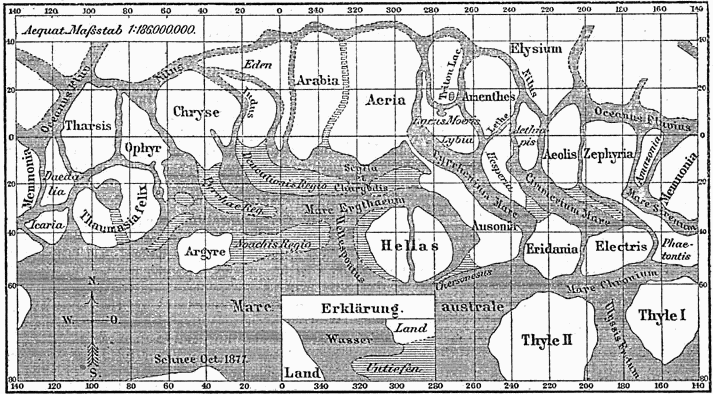
So you've just landed on a planet or a moon... Congratulations!
Your Kerbalnaut makes its way outside and plants a flag into the ground. Then a pop-up comes on your screen: what shall you call this place?
You can call it anything you like, nobody can tell you otherwise. You've earned that honor.
But what if you decide you dont want to just call it anything? That there is another way to name the place you've just landed? That its surface features surrounding your landing site, in part, determine what its final name should be?
If you're reading this thinking "Hey buddy, who do you think you are? I can call wherever I land whatever I want!" - then that's totally cool. You don't have to read this guide anymore.
Otherwise, read on...
Since its founding in 1919, the International Astronomical Union (IAU) was given the task of creating a system for naming the unique geological features of a planet or natural satellite outside of Earth. This is called Planetary Nomenclature.
Why would they do this?
Well, it was done to help quickly identify places on a large orbiting body when looking at it from great height so that the places of interest can be located easy. Nothing more. Infact the system isn't that much different to how we have named places here on Earth. Nor is it hard to remember once you start putting it into practise.
It'll help keep everything simple and unambiguous.
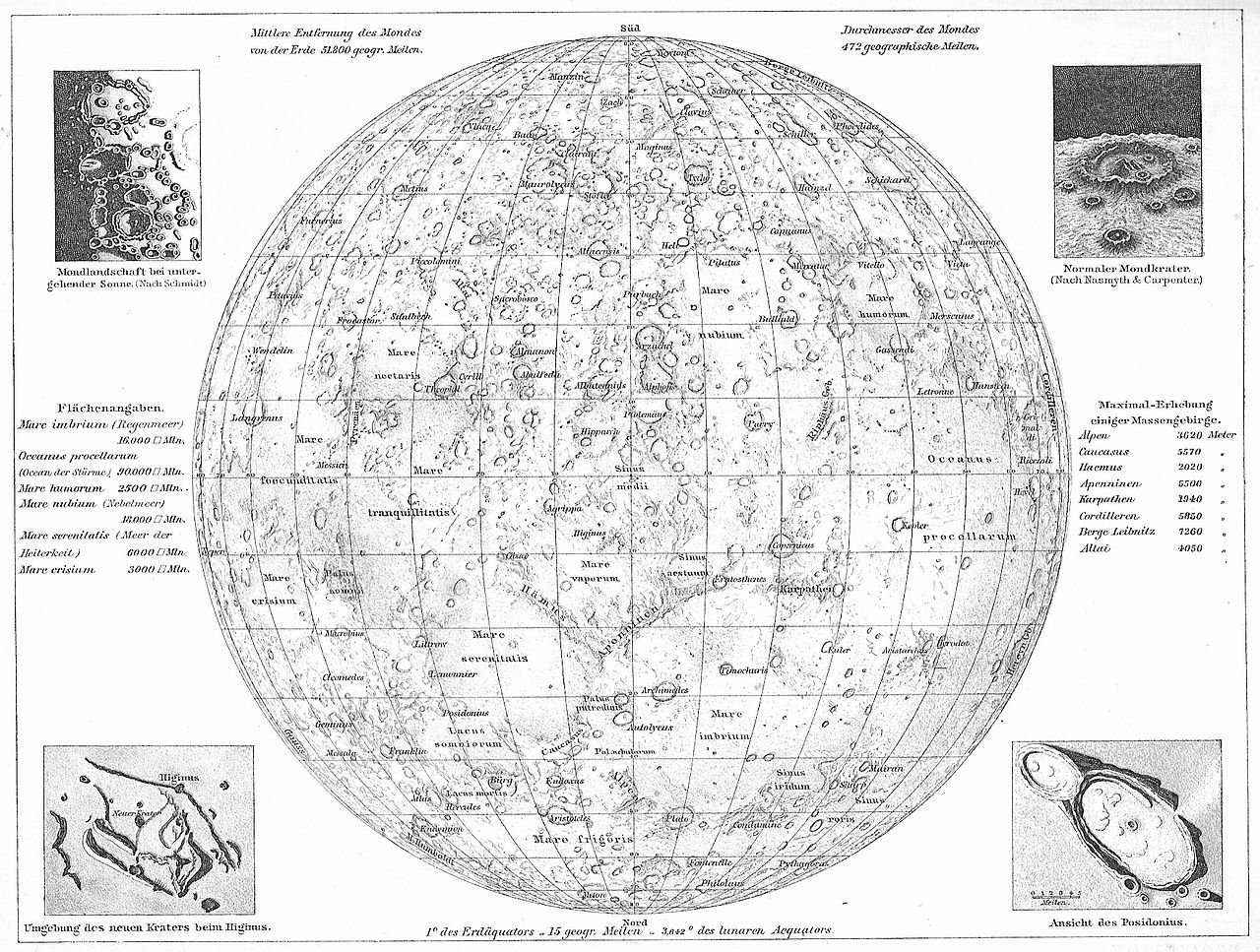
*All images are public domain, unless Attributed under 'fair use'*
Descriptor Terms for Planetary/Satellite Features
I wont go into every term. Just the common ones below:
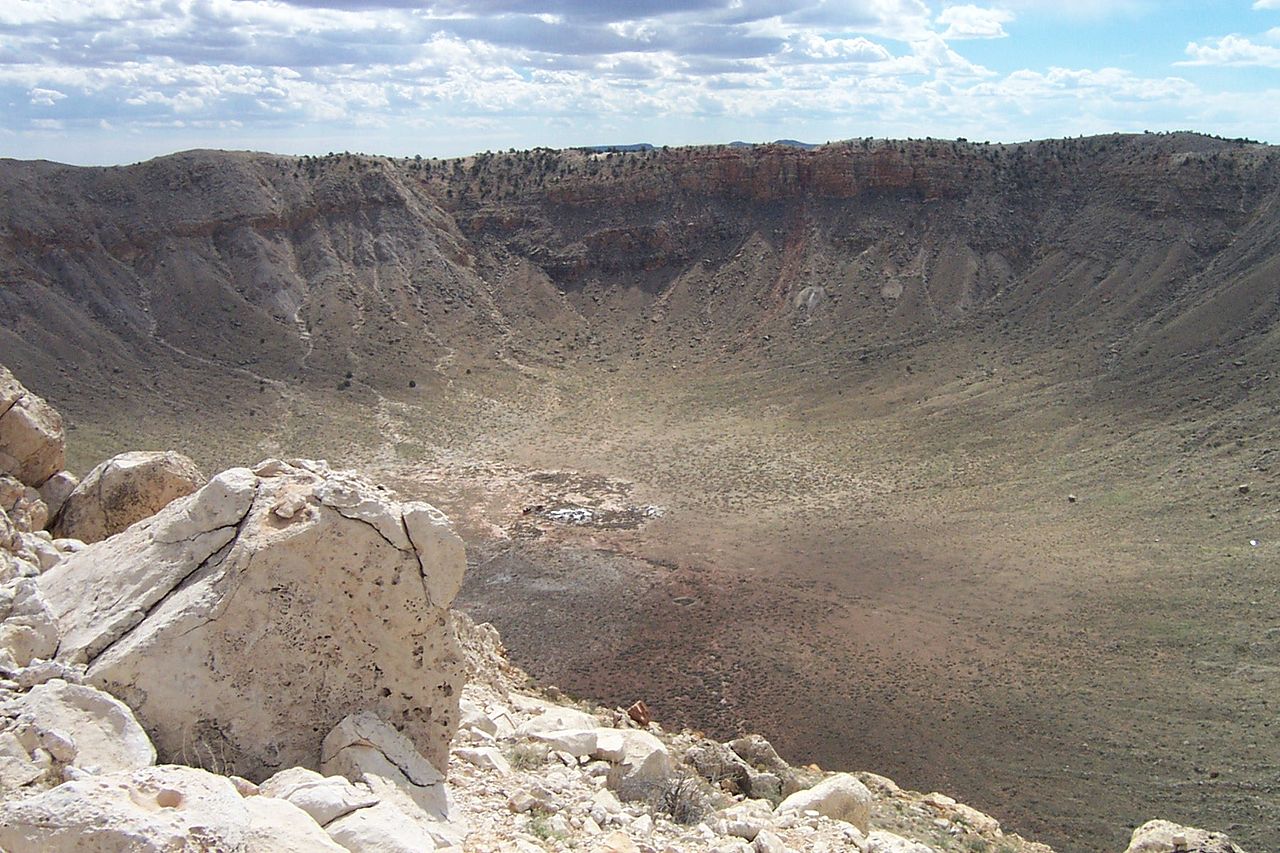
- Crater: This one is obvious {I thought i'd start you off lightly} The top edges of a crater are named the Rim (Below: Barringer Crater)
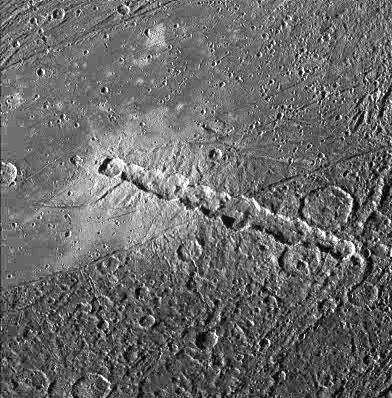
- Catena: A chain of craters (Below: Enki Catena)
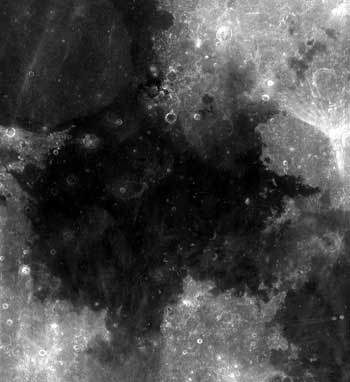
- Mare: A 'Sea' or dark circular plain. (Below: Mare Tranquillitatis, The Sea of Tranquility)
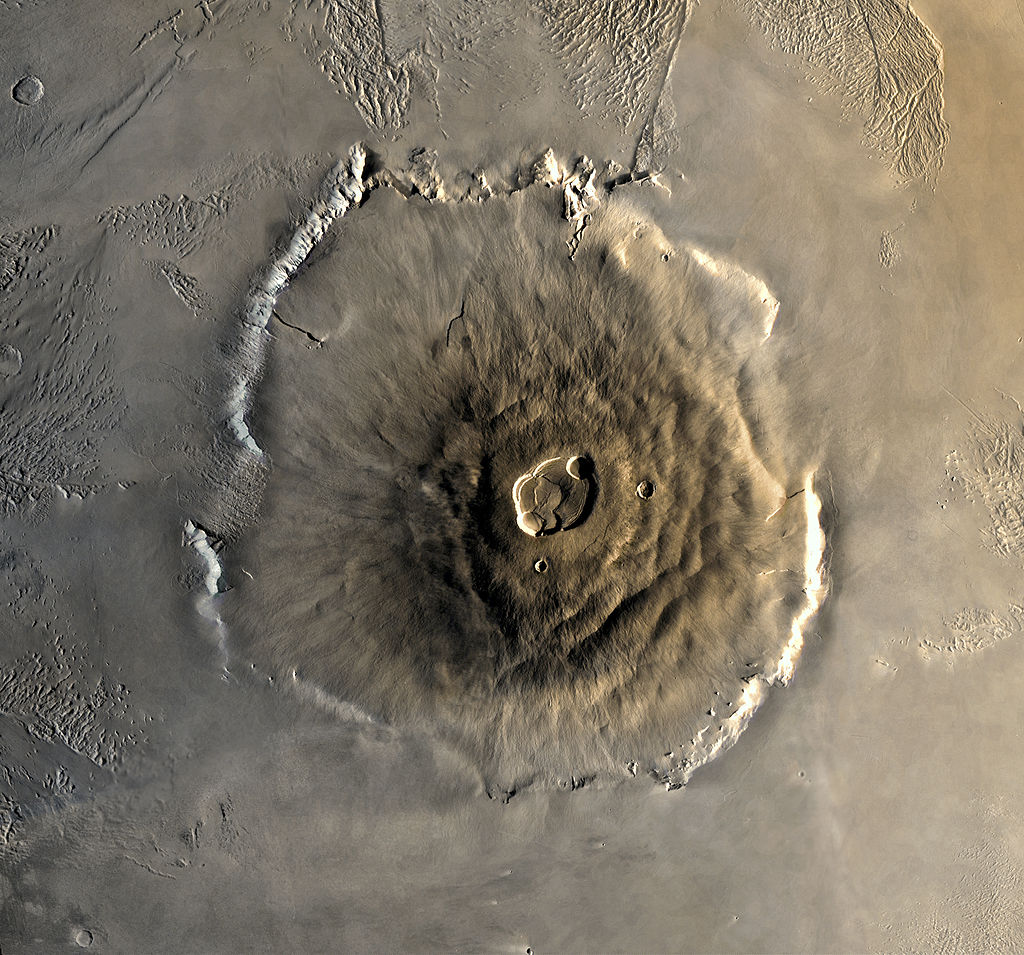
- Mons: A Mountain. (Below: Olympus Mons)
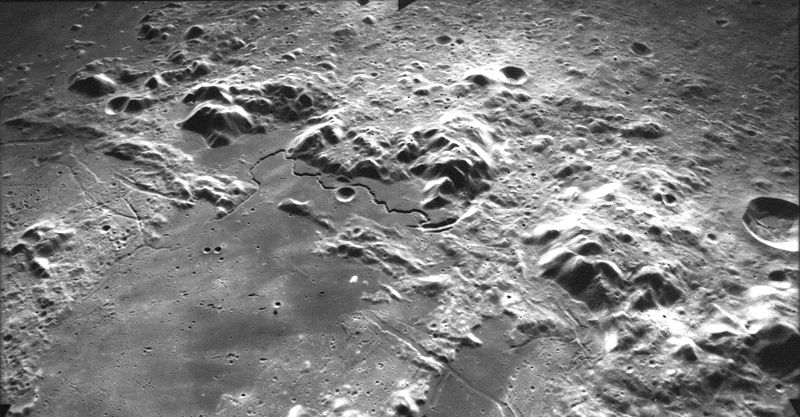
- Montes: Refers to a Mountain range (Below: Montes Apenninus, named after the 'Apennine Mountains' in Italy)
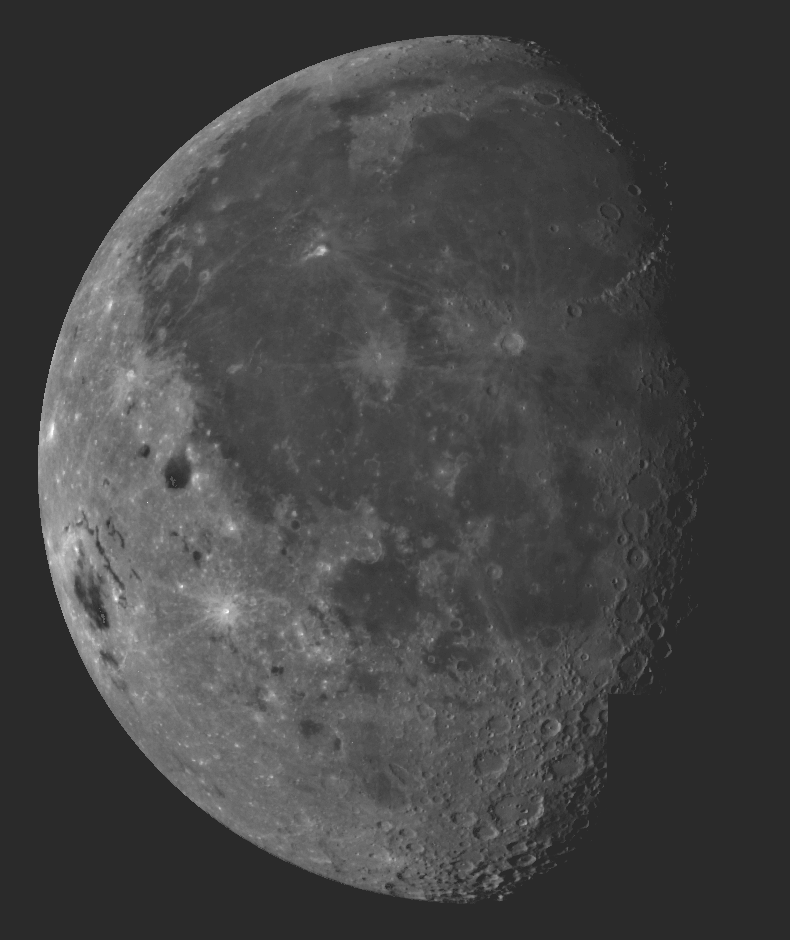
- Oceanus: An extremely large dark area on the surface (Below: Oceanus Procellarum)
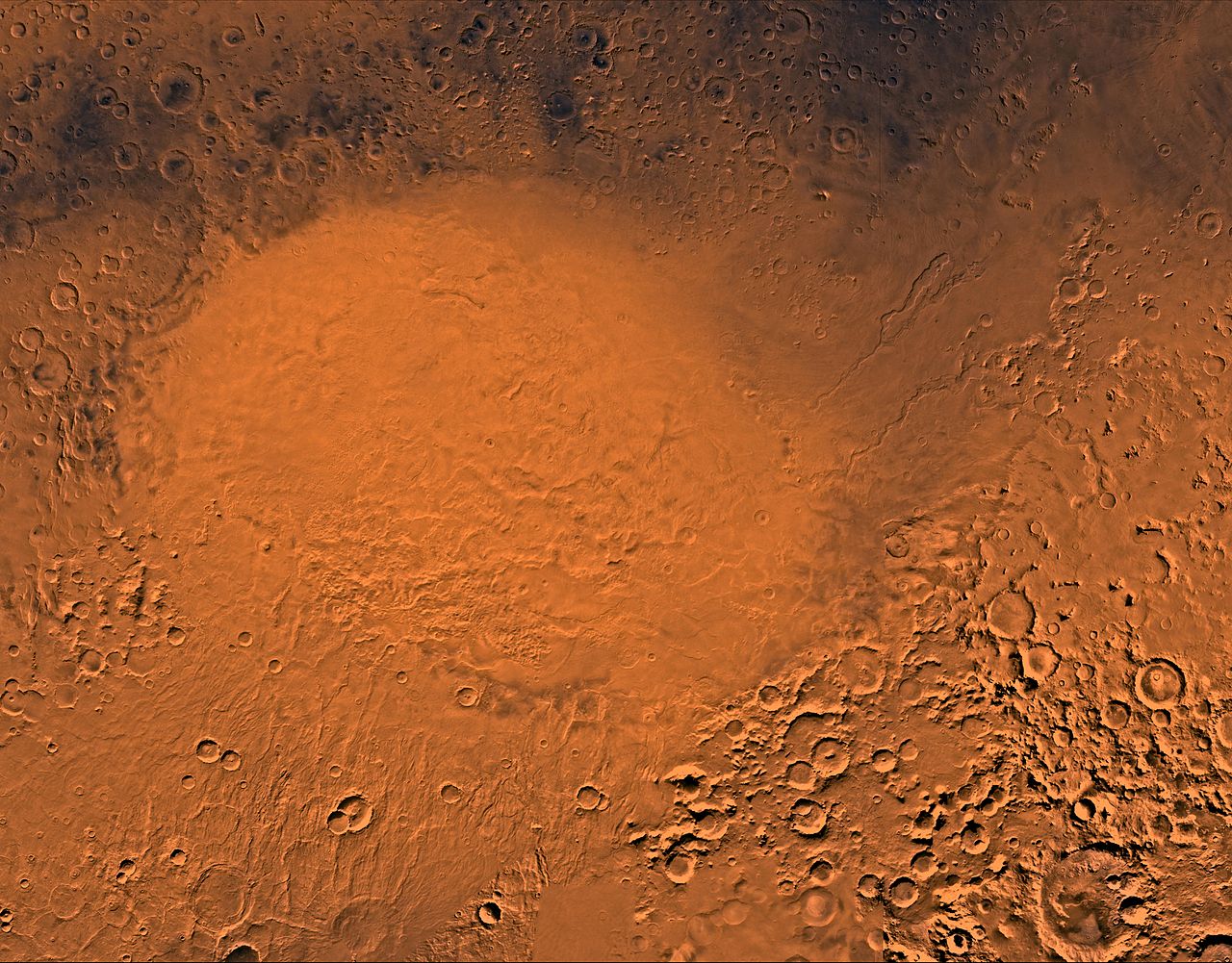
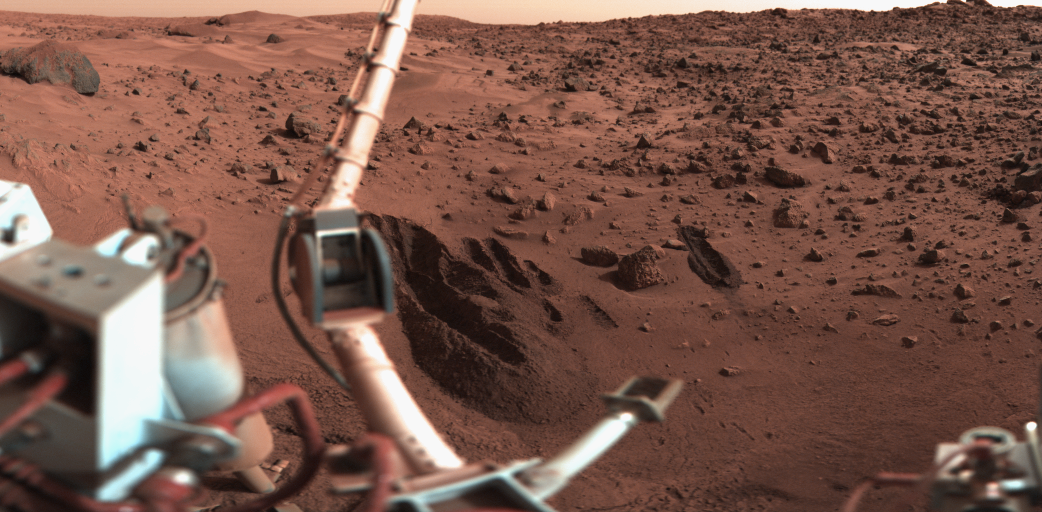
- Planitia: A low, smooth open plain (Below top: Hellas Planitia - Bottom: Chryse Planitia from Viking 1 Lander)
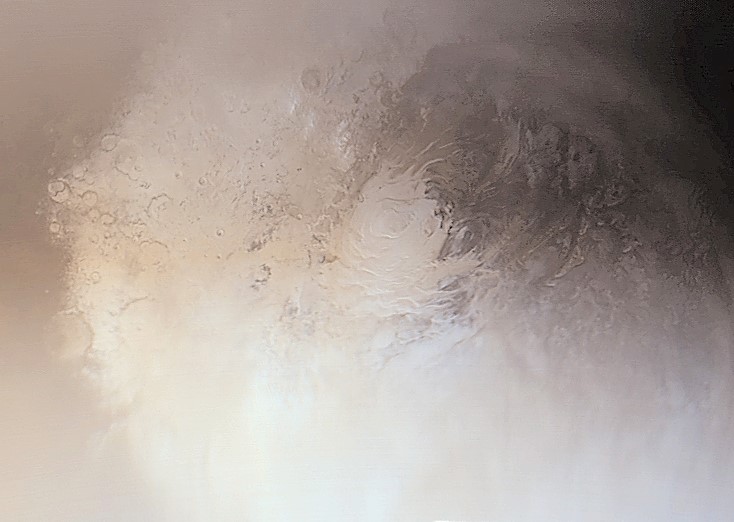
- Planum: A high plain or Plateau. Usually found in polar regions. (Below: Planum Australe)
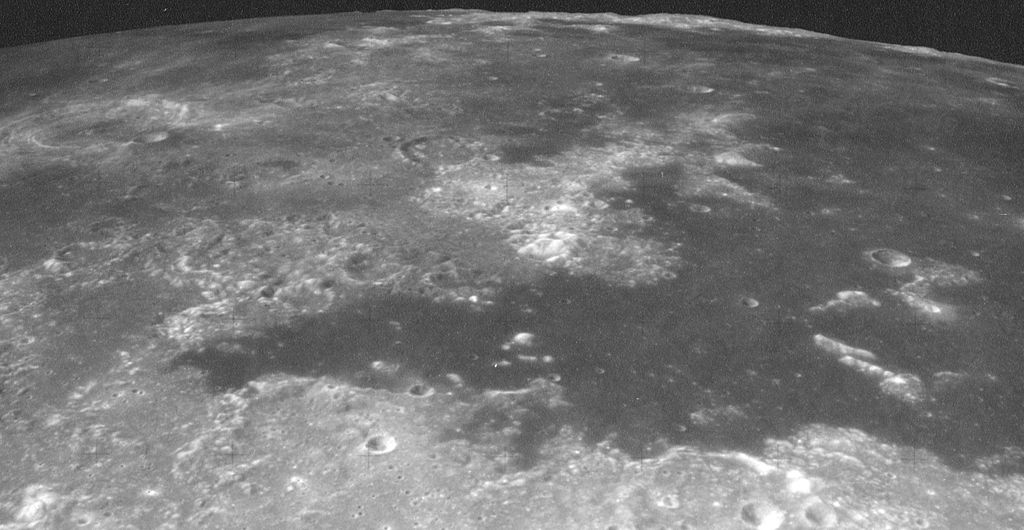
- Sinus: A small plain, latin for "bay" (Below: Sinus Concordiae, The Bay of Harmony - Next Image: Sinus Iridum)
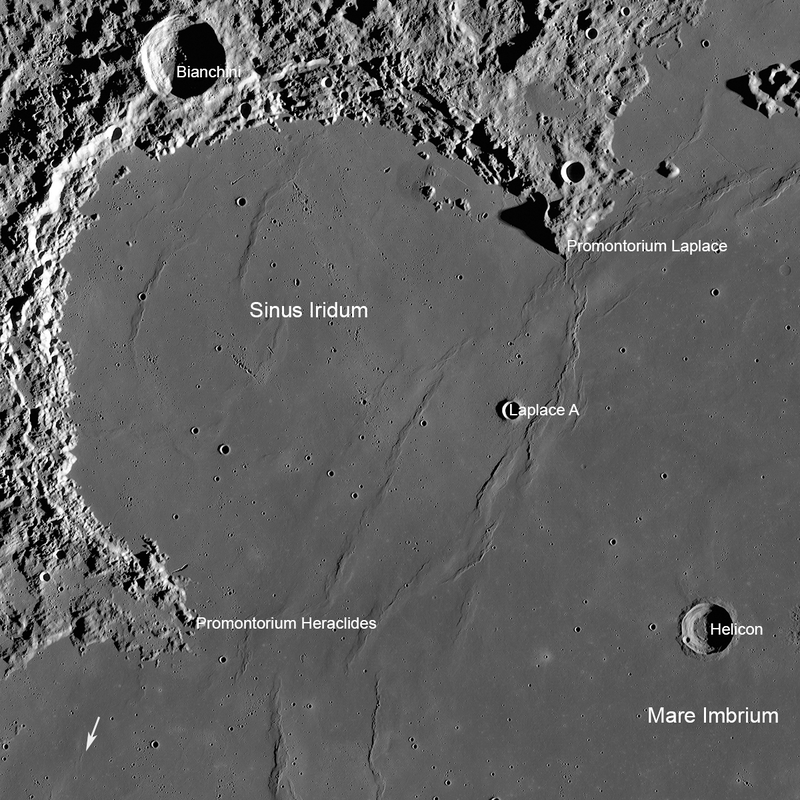
- Promontorium: A high ridge of land or rock jutting out into a body of water or Mare region; a headland, cape, bluff or peninsula. (Below: Promontorium Heraclides and Promontorium Laplace)
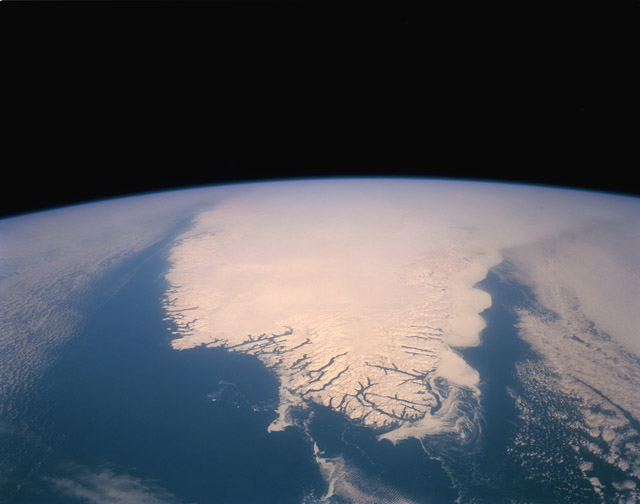
- Terra: A wide expanse with many variations of surface features. These are the lighter "Continental" features of land that are separate from the darker Mare regions. (Below: Greenland)
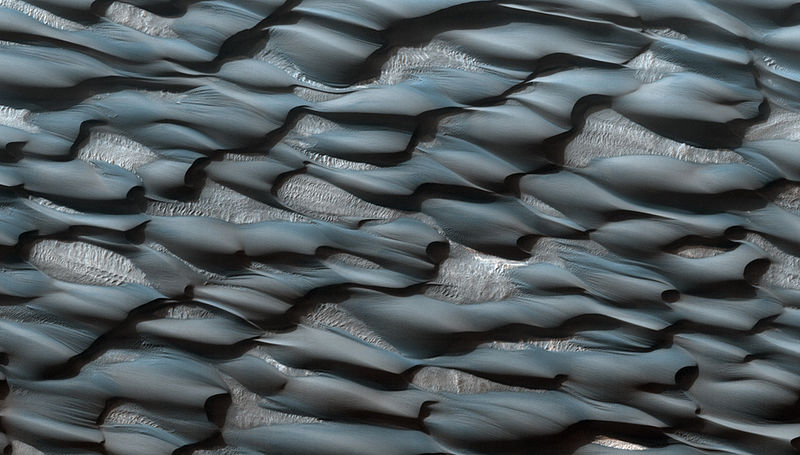
- Undae: A field of Dunes (Below: Abalos Undae, Mars)
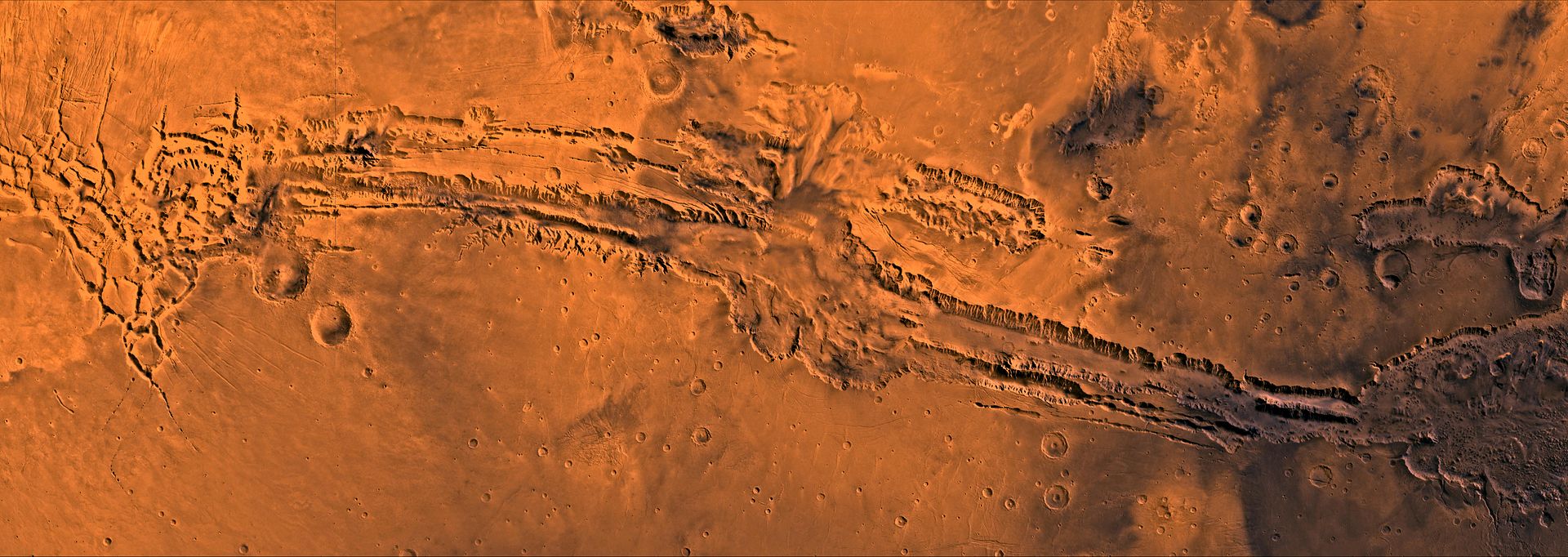
- Valles or Vallis: A valley. The first is planetary, the other is lunar (Below Valles Marineris - Image Courtesy NASA/JPL-Caltech)
- Rima: A long groove on the surface (Below: Rima Ariadaeus)
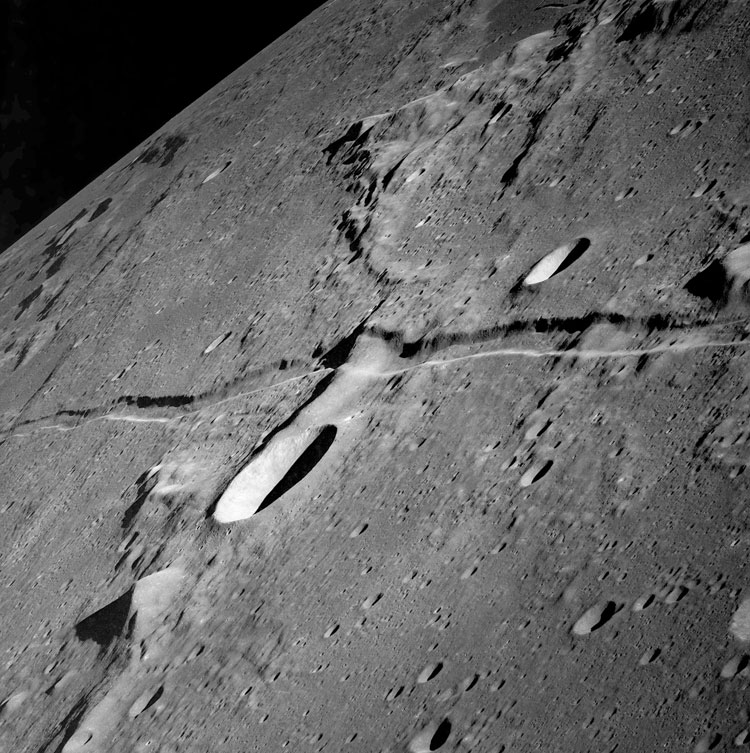
- Rupes: An escarpment or geological fault. Usually where two elevations of land are divided by a long and tall steep cliff (Below: Sierra Escarpment, CA)
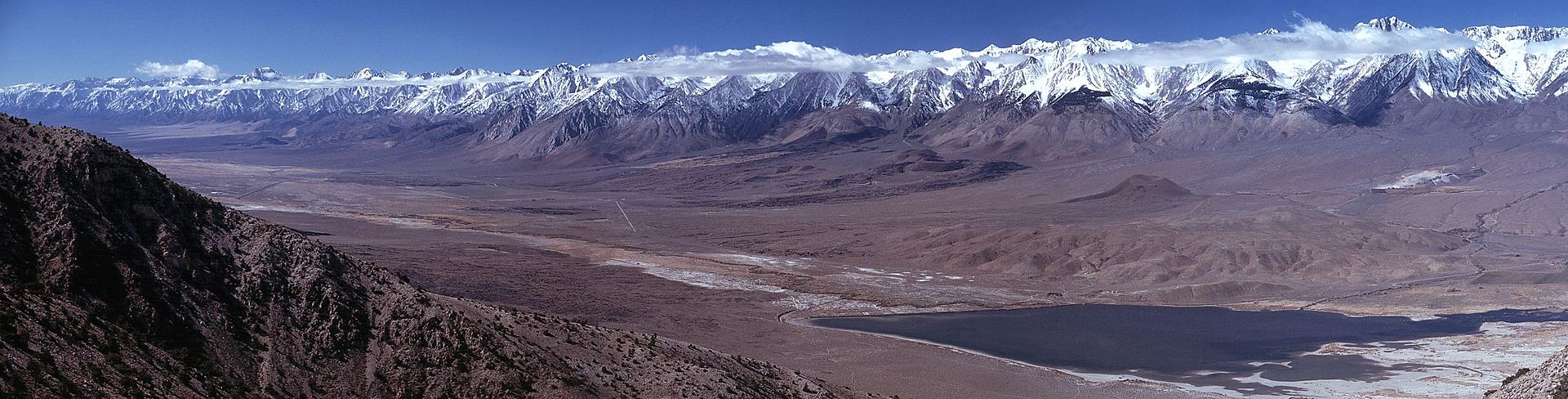
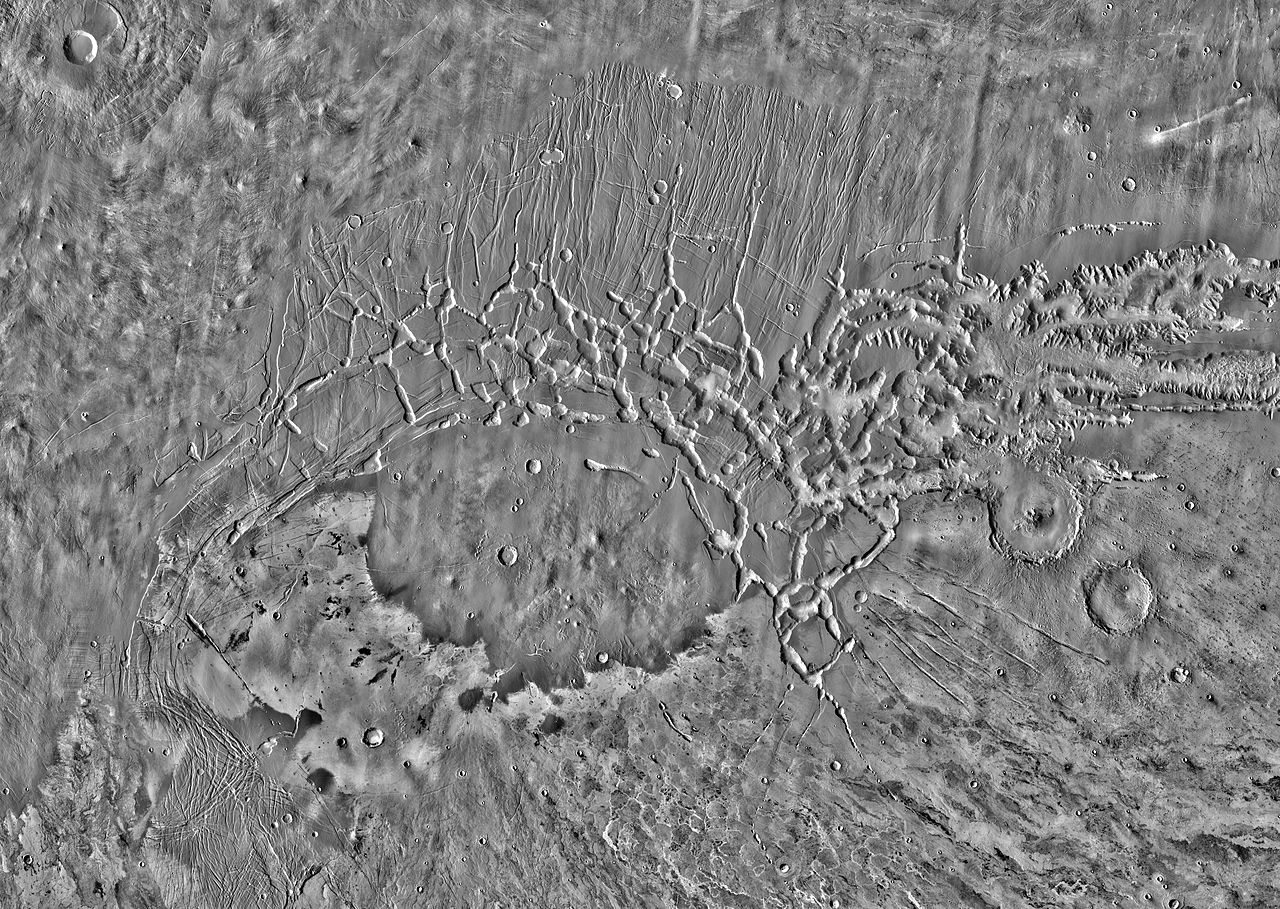
- Labyrinthus: Complex of intersecting valleys or ridges (below: Noctis Labyrinthus, The Labyrinth of the Night)
- Crater: This one is obvious {I thought i'd start you off lightly} The top edges of a crater are named the Rim (Below: Barringer Crater)
- Catena: A chain of craters (Below: Enki Catena)
- Mare: A 'Sea' or dark circular plain. (Below: Mare Tranquillitatis, The Sea of Tranquility)
- Mons: A Mountain. (Below: Olympus Mons)
- Montes: Refers to a Mountain range (Below: Montes Apenninus, named after the 'Apennine Mountains' in Italy)
- Oceanus: An extremely large dark area on the surface (Below: Oceanus Procellarum)
- Planitia: A low, smooth open plain (Below top: Hellas Planitia - Bottom: Chryse Planitia from Viking 1 Lander)
- Planum: A high plain or Plateau. Usually found in polar regions. (Below: Planum Australe)
- Sinus: A small plain, latin for "bay" (Below: Sinus Concordiae, The Bay of Harmony - Next Image: Sinus Iridum)
- Promontorium: A high ridge of land or rock jutting out into a body of water or Mare region; a headland, cape, bluff or peninsula. (Below: Promontorium Heraclides and Promontorium Laplace)
- Terra: A wide expanse with many variations of surface features. These are the lighter "Continental" features of land that are separate from the darker Mare regions. (Below: Greenland)
- Undae: A field of Dunes (Below: Abalos Undae, Mars)
- Valles or Vallis: A valley. The first is planetary, the other is lunar (Below Valles Marineris - Image Courtesy NASA/JPL-Caltech)
- Rima: A long groove on the surface (Below: Rima Ariadaeus)
- Rupes: An escarpment or geological fault. Usually where two elevations of land are divided by a long and tall steep cliff (Below: Sierra Escarpment, CA)
- Labyrinthus: Complex of intersecting valleys or ridges (below: Noctis Labyrinthus, The Labyrinth of the Night)
Conclusion
If anybody spots any errors, feel free to let me know so I can correct them. Don't forget to give a thumbs up if you learnt anything new today (hint hint ;)
Happy naming, Kerbalnauts! :)
Happy naming, Kerbalnauts! :)
More Kerbal Space Program guides
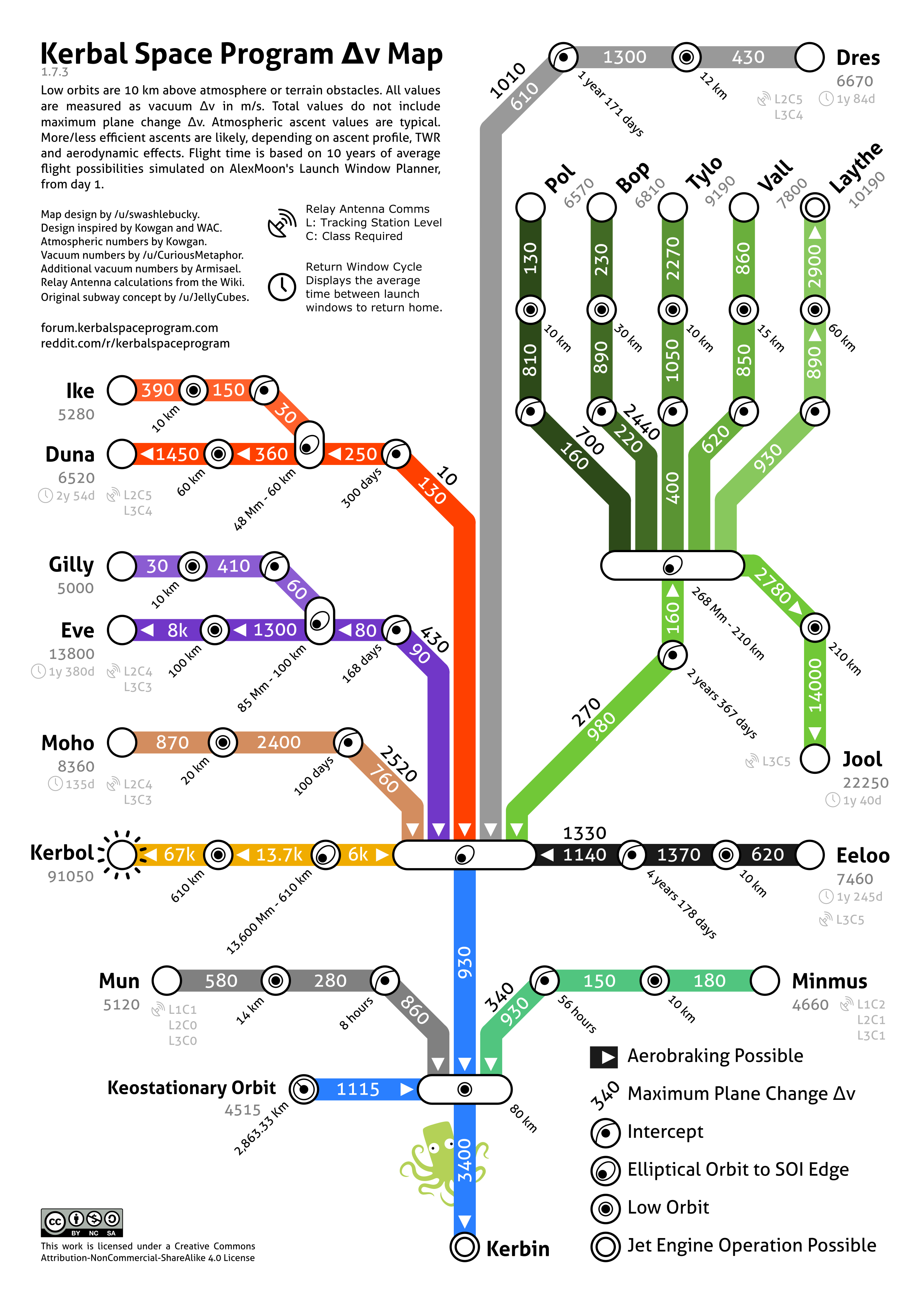
- DeltaV map★ 5 (1.2k)46k views2.5k ♥1 minUpdated Feb 11, 2021
- The Complete Idiot's Illustrated Guide to Space Travel (Not Being Updated)★ 5 (875)43k views1.6k ♥30 minUpdated Feb 9, 2018
- Kerbal Physics: An Illustrated Guide To the Stars★ 5 (1.6k)43k views2.6k ♥21 minUpdated Mar 21, 2021
- MOD Essentials [ENG]★ 5 (587)38k views1.6k ♥12 minUpdated Mar 6, 2023
- Geostationary Orbits★ 5 (455)26k views899 ♥3 minUpdated Jun 28, 2020
- (Updated) Delta V Map and Transfers for Newbs★ 5 (495)23k views927 ♥6 minUpdated Feb 28



This guide was created by its original author on the Steam Community. Are you the author and want it removed? Request removal.