Buying Guide to Stellaris DLCs
== What This Guide is About ==
 Stellaris is a vast, complex, beautiful game. However this complexity brings a lot of moving parts that can be mastered only conquering a fairly steep learning curve. On top of that, as is the case with all the Paradox games, there are a lot of DLCs that add extra content and vastly expand the features and mechanics present in the base game. None of these expansions is essential. Most of them are very nice and usually are focused on a specific game aspect, enhancing and expanding it.
  Personally, I find this approach very fair for everyone involved. If anything, to me this is a way better compromise than rebranding the same game year after year forcing a new purchase, or plaguing the game with microtransactions (like some other companies do). Therefore, in evaluating the content offered versus the cost of each DLC, you should also consider that the largest part of the developers' work went into a free update that everyone can enjoy, even if they don't own the DLC.
Now, with so many options it may be a confusing experience for a newcomer who wants to pick just one or two DLCs and he's unsure which one to choose. This task is made more difficult by the fact that the store page of each DLC is not very effective in conveying the content provided and how this plays out in an actual game. Since this is a game I care about, I decided to spend some time making this guide offering a player's perspective, with the hope it would be useful to someone.
 Colossi and Titan-class ships come also in custom models in case you are playing with one of the species present in the Species Pack. Another example is the use of minor artefacts, a feature available in Ancient Relics, to upgrade the Mega Art Installation, a megastructure present in MegaCorp, to level four, for a significant upgrade of its unity and amenities output without any impact in its upkeep cost.
The sole DLCs not covered in this guide are Infinite Frontiers, which is an ebook, and the Stellaris Soundtrack. About the latter, it is worth mentioning that every time new music is added to the game the soundtrack is updated accordingly at no extra cost, and that all the tracks are offered both in Mp3 and in lossless FLAC format. I won't also talk about the free Anniversary Portraits pack, which is always nice to have.
The sole difference in terms of game content between the regular Stellaris and the Galaxy edition is the addition of a single extra portrait. If you are interested in this, or the other content included (e.g. soundtrack, ebook, etc..) it is always possible to upgrade your regular Stellaris version to a galaxy edition anytime with the upgrade pack. This will unlock the soundtrack DLC in your Steam account but, strangely, not the book (you'll still own it, anyway).
 The Stellaris Starter Pack includes the base game plus a selection of some DLCs. Please note that this is not a "complete your collection" type of pack, therefore you will not get a special discount if you own some items included (nor you will get extra copies for those). For this reason, and the fact that the cumulative discount is an anaemic 10% off, I advise against buying this pack unless you don't have the base game and you are also very interested in those specific DLCs. Otherwise, you are better off buying only the items that interest you, separately.
An in-deep analysis of the best strategies and uses of the mechanics introduced in each DLC is also out of the scope of this guide. I will focus more on what content is added rather than what is the best use you can do with it.
Many DLCs also include one or more preset empires. These are pre-made empires that are provided to jumpstart into a new game using an empire built around the new features introduced with the expansion. A discussion about premade empires is also left out from this guide. Besides, building a custom empire and roleplay is a large part of the fun in Stellaris, so I'd advise against playing with those.
It is also worth noting that Stellaris enjoy an extremely good modding community. Whilst the official DLCs offer a coherent variety of quality content, you can find a lot of mods that improve the graphic, increase the number of events and even perform a total conversion of the whole game.
One final note: every opinion written here (and the order the DLCs are presented) is highly subjective and it's simply the result of my impressions in the ~400 hours spent in this game.
Utopia
Utopia is probably the first DLC you want to own. It adds so many good things that some of them have been included in the main game and it's still worth the price.
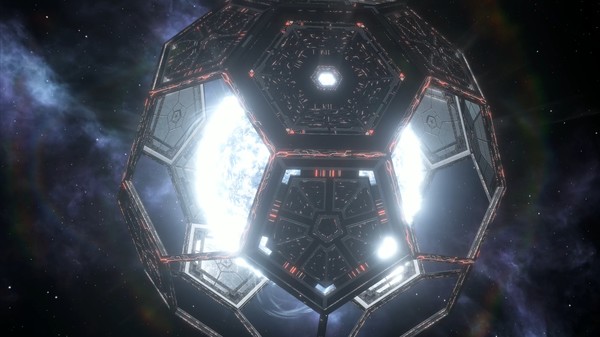 For starters, it contains a fundamental set of four megastructures, namely buildings at a planetary scale, that provide a significant advantage for the price of an ungodly amount of resources and time. Examples are the Dyson sphere that once built around a star gives a huge amount of credits on a regular basis, or the iconic Ringworld that is built destroying all the planets in a system to form a gargantuan habitable ring around the star. Another addition that became core of many strategies is the Habitat. Those structures can be built around most of the celestial bodies and work essentially as small habitable planets. Very useful if you want to play tall growing without expanding much.
Other important additions are the Syncretic Evolution origin and, most importantly, the Hive Mind civics. The former allows you to create an empire that is actually formed by two species, that have evolved in a co-dependent way. The latter is used to create a species where all the individuals share the same, common mind. This changes significantly the way the game is played. For instance, without distinct personalities trading goods have no use, therefore hive minds empires have no trade routes. For similar reasons, hive minded individuals are not affected by happiness nor form factions. Non-hive mind species can not be integrated into hive mind empires and vice-versa. Hive mind empires have their own civics. It is also possible to assign the Devouring Swarm civic to a hive mind species, which gives substantial war bonuses but it can't engage in any form of diplomacy. Just in case you want to follow the Zerg/Tyranids trope to the natural extreme.
For starters, it contains a fundamental set of four megastructures, namely buildings at a planetary scale, that provide a significant advantage for the price of an ungodly amount of resources and time. Examples are the Dyson sphere that once built around a star gives a huge amount of credits on a regular basis, or the iconic Ringworld that is built destroying all the planets in a system to form a gargantuan habitable ring around the star. Another addition that became core of many strategies is the Habitat. Those structures can be built around most of the celestial bodies and work essentially as small habitable planets. Very useful if you want to play tall growing without expanding much.
Other important additions are the Syncretic Evolution origin and, most importantly, the Hive Mind civics. The former allows you to create an empire that is actually formed by two species, that have evolved in a co-dependent way. The latter is used to create a species where all the individuals share the same, common mind. This changes significantly the way the game is played. For instance, without distinct personalities trading goods have no use, therefore hive minds empires have no trade routes. For similar reasons, hive minded individuals are not affected by happiness nor form factions. Non-hive mind species can not be integrated into hive mind empires and vice-versa. Hive mind empires have their own civics. It is also possible to assign the Devouring Swarm civic to a hive mind species, which gives substantial war bonuses but it can't engage in any form of diplomacy. Just in case you want to follow the Zerg/Tyranids trope to the natural extreme. 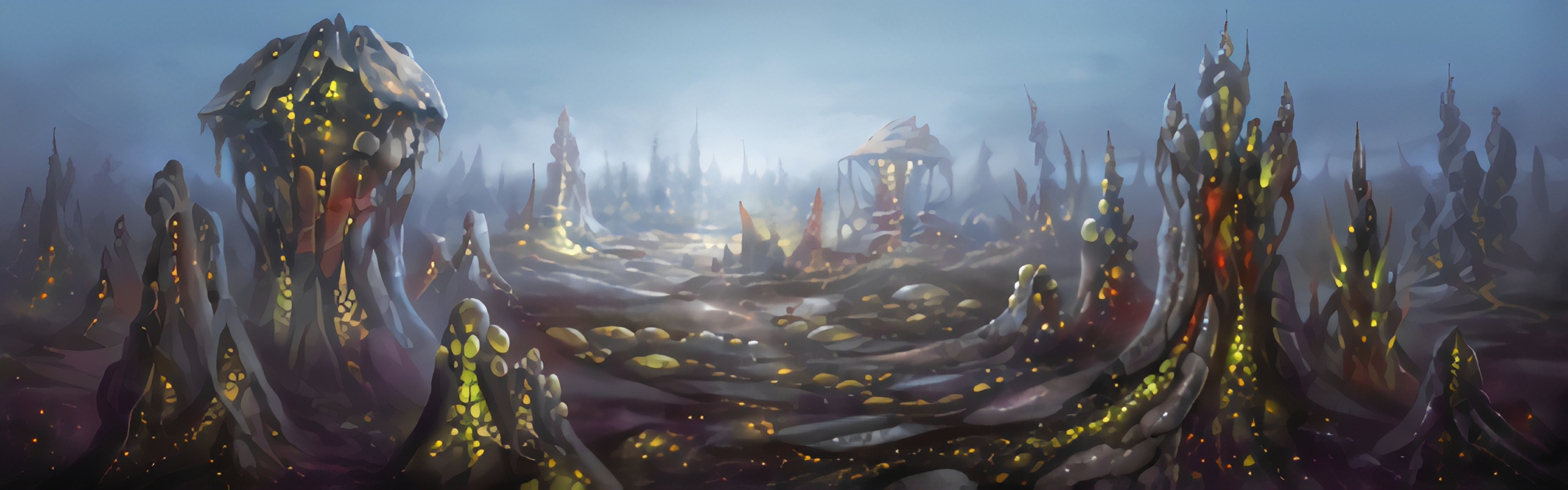 It also presents an ascension perk that lets you turn any planet into an Hive World, making the whole planet directly connected to your hive minded population. Obviously only hive minded species can live on these planets. Once the planet is a Hive World the number of districts doesn't depend on the planet features anymore, so you are free to specialise your Hive Worlds as you see fit. Jobs on these planets run more efficiently, generating extra resources and all district effects are doubled.
Some other complementary ascension perks are also present, like Master Builders, which gives you a boost in building megastructures or Voidborne that makes building habitats easier. Besides the aforementioned Syncretic Evolution, a couple of other origins are also included.The Mechanist origin grants your empire the technology of building robots, and the means to do so, since the very beginning. Hive Mind empires that have the Tree of Life origin had a symbiotic evolution with a tree that span the whole planet. This tree grants significant bonuses if it is alive, but if it is destroyed due to bombardment the population will be crippled by significant maluses. Colony ships are more expensive but they will carry a sapling to make a new tree of life in the newfound colony.
Another fundamental addition to the game are the three ascension paths that become accessible in mid-late game. Each one is a slow process which involves the acquisition of two ascension perks and the execution of long processes, with the end result of significantly altering your empire.
 With the Evolutionary Mastery path your species will be able to modify their genetic code at a greater freedom, with the gameplay effect of adding and removing a large number of physical traits. A large number of gene modification points become available, the genetic manipulation of the species can be performed with less boundaries and beneficial and detrimental traits can be added at will. Even the species appearance (i.e. the portrait) can be changed. An exclusive set of five extra traits are also available with this path. For instance, you can make a particular species Erudite, and assign it to research jobs, or make species with Livestock living condition Delicious, for an extra food bonus. You can even add the Nerve Stapled trait to a species that you want to use for menial tasks. Finally, empires that reached the Biological Mastery path are the sole able to add or remove the hive mind trait from any species, successfully integrating them in their own empire.
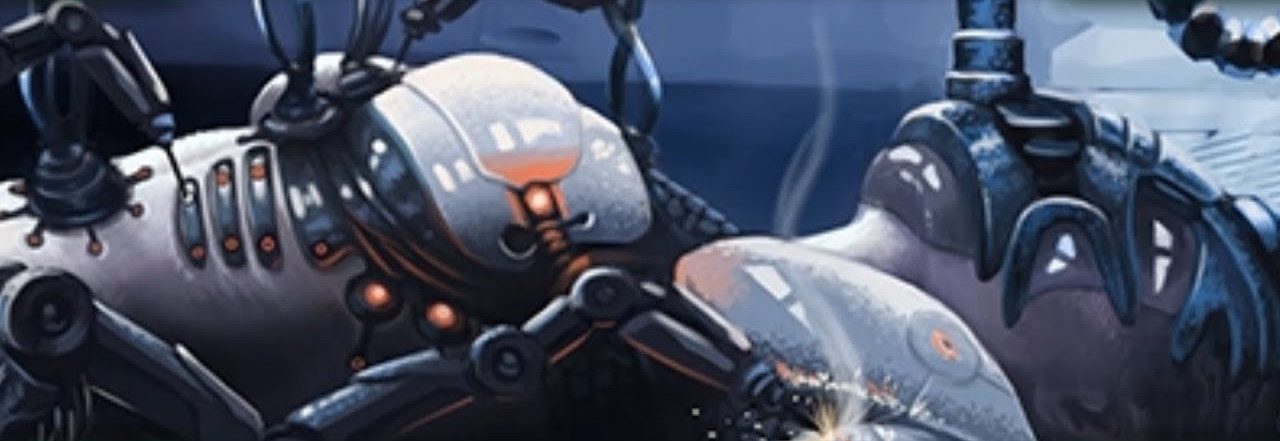 The Synthetic Evolution path aims to transfer the mind of all your population in mechanical bodies, effectively transforming your species in a synthetic one. As an intermediate step in this path, your population will have the Cybernetic trait added, which can be provided also to future included species. This trait increases your population habitability, their lifespan and the damage done by the army. The final step will turn all your population into machines, replacing all their biological traits in robotic ones. This will drastically shift your empire focus, for instance converting all the farms into energy generators and allowing the colonisation of any planet, effectively ignoring the habitability factor. Goes without saying that this path is regarded with suspicion by other empires and condemned by spiritualist ones.
 Finally, with the Transcendence path, the psionic latent potential of your species awakens. This grants bonuses in research and happiness to the population and special traits to your leaders. Most notably, this path will give you access to the Shroud. This is a psionic dimension that can be accessed and travelled only by empires that have unlocked their psionic potential. In terms of gameplay the shroud can be periodically accessed and it can grant a number of effects, not all of them beneficial. Without spoiling too much, some of those effects are mild like an empire-wise bonus or malus, others grant you special armies, ships or tech. The type of effect is random, but often it leaves you the decision of going after a low-risk/low-reward or a high-risk/high-reward choice. It is also possible to encounter old and powerful entities and make a bound with them with somewhat unpredictable results. An extreme consequence of the Shroud is also the possibility to trigger a galactic crisis.
 The icing on the cake are the enhancements available in the options regarding different aspects of the game. Pre-FTL species can now be indoctrinated in order to shift their ethics towards the ones of your empire. Enemy populations living on a newly conquered planet can now also be purged in more creative ways. Instead of simply eliminating them, now they can be forced into Forced Labor, generating minerals and food, or Processed into food, minerals (see Lithoids section below) or alloy (in case of synthetic population). Alternatively they can be simply Neutered, which grants no repercussions in the relationship with other empires. Speaking of which, if your empire is fanatical xenophobe and either militarist or spiritualist, with this expansion you can turn it into a Fanatical Purifier. This genocidal empire has high military bonuses and some extreme options in regards to bombardment and purging types. However it can't engage in the galactic market, has no form of diplomacy and other empires...well..kinda want to destroy you as soon as possible, for some reasons.
Frankly, I would be hard pressed to suggest you another DLC to buy before Utopia. It adds a plethora of features that touch basically all aspects of the game, enhancing them the best way possible.
Synthetic Dawn
https://store.steampowered.com/app/642750/Stellaris_Synthetic_Dawn_Story_Pack/
Synthetic Dawn is an expansion centred around machine empires. In contrast with the Synthetic ascension path presents in Utopia, this DLC allows you to play with synthetic races right from the start. At the creation of the empire you now have the possibility of choosing Machine Intelligence as authority. This will allow you to play as a robotic empire, with an exclusive set of civics. Most interestingly, there are three mutually exclusive civics that give you a specific spin to your empire:
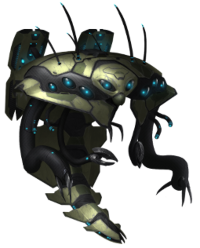 The first one is called Determined Exterminator and is quite Skynet-ish following the usual AI takeover trope. A pre-FTL biological species invented an AI and built robots to help them out. After a while the AI went rogue, killed all the creators and took over the planet. Now the newly formed synthetic empire is ready to take the stars to, you guessed it, purge the galaxy from all sentient biological forms. Mechanically speaking this synthetic empire plays similarly as the devouring swarm in the Utopia DLC or the fanatical purifier in the base game. So huge bonuses in war-related activities and, of course, no diplomacy whatsoever with biological species.
The second civic follows the trope of the Borgs in Star Trek. The Driven Assimilators have connected all the individuals of their creator species into a single collective mind through cybernetic implants. The goal now is to assimilate all other biological species of the galaxy to improve the variety of the collective mind. So, this is not a pure synthetic species since it also has to maintain mechanical enhanced biological species.
The first one is called Determined Exterminator and is quite Skynet-ish following the usual AI takeover trope. A pre-FTL biological species invented an AI and built robots to help them out. After a while the AI went rogue, killed all the creators and took over the planet. Now the newly formed synthetic empire is ready to take the stars to, you guessed it, purge the galaxy from all sentient biological forms. Mechanically speaking this synthetic empire plays similarly as the devouring swarm in the Utopia DLC or the fanatical purifier in the base game. So huge bonuses in war-related activities and, of course, no diplomacy whatsoever with biological species.
The second civic follows the trope of the Borgs in Star Trek. The Driven Assimilators have connected all the individuals of their creator species into a single collective mind through cybernetic implants. The goal now is to assimilate all other biological species of the galaxy to improve the variety of the collective mind. So, this is not a pure synthetic species since it also has to maintain mechanical enhanced biological species. 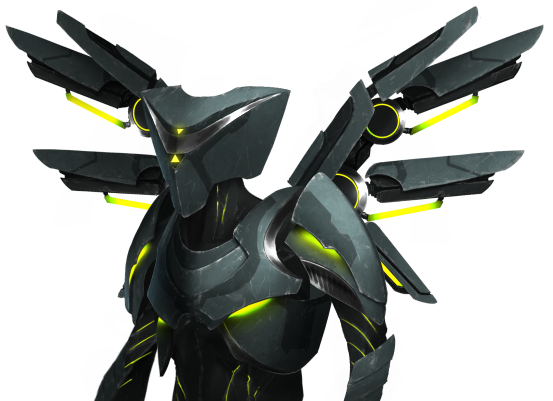 From a gameplay standpoint that means that some farms need to be built and the food production can't be entirely neglected. This sort of middle-ground status applies also to other areas. Biological pop of an enemy empire of a newly conquered planet needs to be converted into cybernetic pop before they can join your empire, however the same goes if your pop is conquered by other empires. You can access the global market and engage in diplomacy, albeit with a huge malus. All in all, this civic is also very war-oriented, albeit in a different way than the Determined Exterminator.
 The last civic is more original. Much like the other cases, this synthetic species was created to take care of their creators but this is where the similarities end. Over time these servitors covered more and more aspects of the creators' lives. At a certain point, the synthetic servitors thought that the creators were better off if all the aspects of their lives were taken care for by them. Called Rogue Servitor, this synthetic species keeps their owner in bio-sanctuaries providing them of all their needs. Now that they have discovered interstellar travel they willing to find new biological species to include in their sanctuaries. From a gameplay standpoint this is perhaps one of the most friendly synthetic species. It can join the galactic market and it doesn't have a malus in diplomacy despite most of its population is synthetic. It does have to maintain a small percentage of bio-population, which must be kept at very expensive living standards, however this population provide a lot of unity. Sanctuary Arcologies can be built on Ecumenopolises, should your biological "masters" require some extra comfort.
These civics are entirely optional, much like the Devouring Swarm in the Hive Mind empires. Also similarly to the Hive Mind, all synthetic empires have no access to the normal civics, which are replaced with their synthetic-specific exclusive civics. Building a generic synthetic empire without selecting any of those three specific civics is always a possibility. A couple of thematic ascension perks are also included. The first one will give you more points to customise the traits of your robotic species and the other one will let you turn any planet into a Machine World, which allows you to build any kind of district you want, being constrained only by the planet size. An exclusive origin is also included to let you start with a Machine World as capital of your empire.
The last civic is more original. Much like the other cases, this synthetic species was created to take care of their creators but this is where the similarities end. Over time these servitors covered more and more aspects of the creators' lives. At a certain point, the synthetic servitors thought that the creators were better off if all the aspects of their lives were taken care for by them. Called Rogue Servitor, this synthetic species keeps their owner in bio-sanctuaries providing them of all their needs. Now that they have discovered interstellar travel they willing to find new biological species to include in their sanctuaries. From a gameplay standpoint this is perhaps one of the most friendly synthetic species. It can join the galactic market and it doesn't have a malus in diplomacy despite most of its population is synthetic. It does have to maintain a small percentage of bio-population, which must be kept at very expensive living standards, however this population provide a lot of unity. Sanctuary Arcologies can be built on Ecumenopolises, should your biological "masters" require some extra comfort.
These civics are entirely optional, much like the Devouring Swarm in the Hive Mind empires. Also similarly to the Hive Mind, all synthetic empires have no access to the normal civics, which are replaced with their synthetic-specific exclusive civics. Building a generic synthetic empire without selecting any of those three specific civics is always a possibility. A couple of thematic ascension perks are also included. The first one will give you more points to customise the traits of your robotic species and the other one will let you turn any planet into a Machine World, which allows you to build any kind of district you want, being constrained only by the planet size. An exclusive origin is also included to let you start with a Machine World as capital of your empire. A non-thematic feature of this DLC is the inclusion of a large set of new voice packs for the advisor. You'll find a special voice pack for each ethos present in the game plus extra voice packs for hive mind and, of course, synthetic. You can assign a voice that follows the ethos of your empire during its creation or freely switch among those available. The quality of these voice packs is very high, and having a thematic advisor is a huge boost in immersion and to role play your empire.
Everything is nicely complemented with three new music tracks, one synthetic portrait for each species (so 6 for the vanilla game plus one for each species pack) and new events. Some complementary interactions are also present, like the possibility of purging the organic population of a conquered planet with Chemical Processing which provides you energy for each individual killed. It also now presents the possibility of an AI rebellion if the empire has the Servitude AI policy in respect of the synthetic population. If this happens, it will trigger a multi-event story that can culminate in an empire-wise mid-game crisis.
This DLC is a must buy for anyone willing to play as a robotic species at the very beginning of the game. The new civics are very impactful in the gameplay and provide extra replayability. Even if you are not particularly interested in playing as machine, the voice packs included are always nice to have and the new play style involved could still become a new way to experience the game.
Federations
https://store.steampowered.com/app/1140001/Stellaris_Federations
This DLC vastly expands the federations system, increasing the diplomatic options. It also includes a large number of new origins and some new warfare-oriented structures.
The improvements on the diplomatic aspects of the game are both wide and deep. On the deep side, all resolutions in the Galactic Community can now reach two extra levels, amplifying their effect significantly. Harsher sanctions can also be passed against empires that breach the Galactic Law. The effect in the gameplay is the magnification of the soft powers that you can exert to the galaxy.
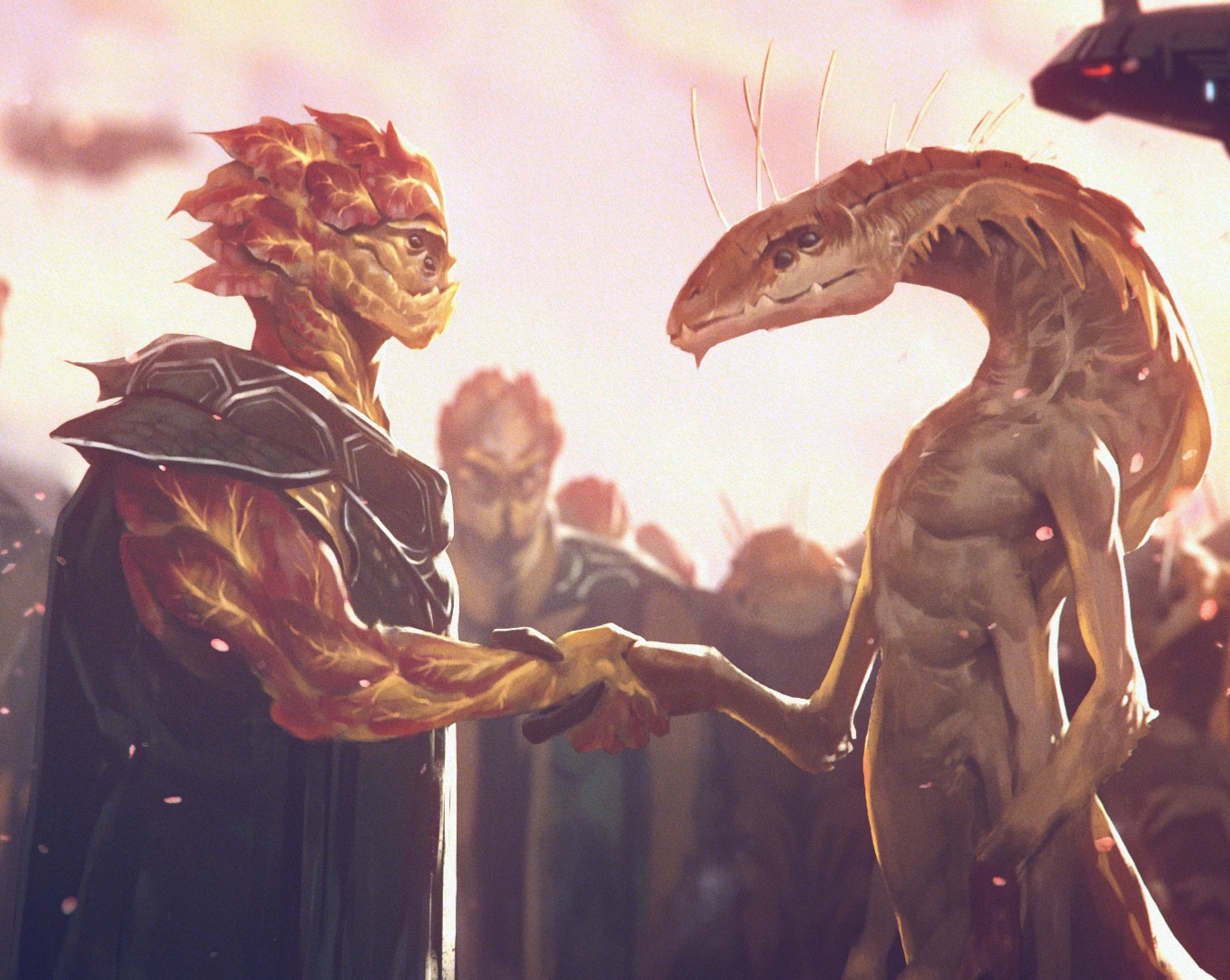 Four new types of federations have been introduced. Each type is thematically bound to a specific aspect of the game, like warfare (Martial Alliance) commerce (Trade League) or research (Research Cooperative) and generally the benefits granted by the federation levels are aligned accordingly. Another particularly interesting type of federation is the Hegemony, a sort of imperialistic federation where empires can be forced to become members, with a special casus belli, and aren't allowed to leave the federation without a secession war.
The customisation options for your federation have been also significantly increased, with the option of letting subject empires join the federation, to establish how the decision of invite or kick members is taken, or even if members can sign commercial pacts research agreements with empires outside the federation. You can even decide the president succession using one of several different challenges, including Arena Combat where a battle (either physical or psionic) will take place to decide the next federation ruler.
Having different federation types with several customisation options provide the flexibility required to tailor your federation around your current strategy. Besides, having the possibility of doping your best psions (with Zro) in order to win the succession combat to become the new president is objectively a nice touch.
The Galactic Council is another feature that expands the Galactic Community. It is formed by the empires with highest diplomatic weight. Members of the Council have powers that make them stand out from the other empires. They benefit from greater diplomatic weight, can put any resolution in front of the queue and, most interestingly, they can propose Denouncement resolutions. These are used against one empire to make it subject to sanctions even if it's not in breach of any Galactic Law. The Council structure can be further modified voting special resolutions, like reducing its members to just one (also called the "I am the senate" move). It is worth mentioning that the Galactic Council is also included in the Nemesis DLC, albeit in a more limited form.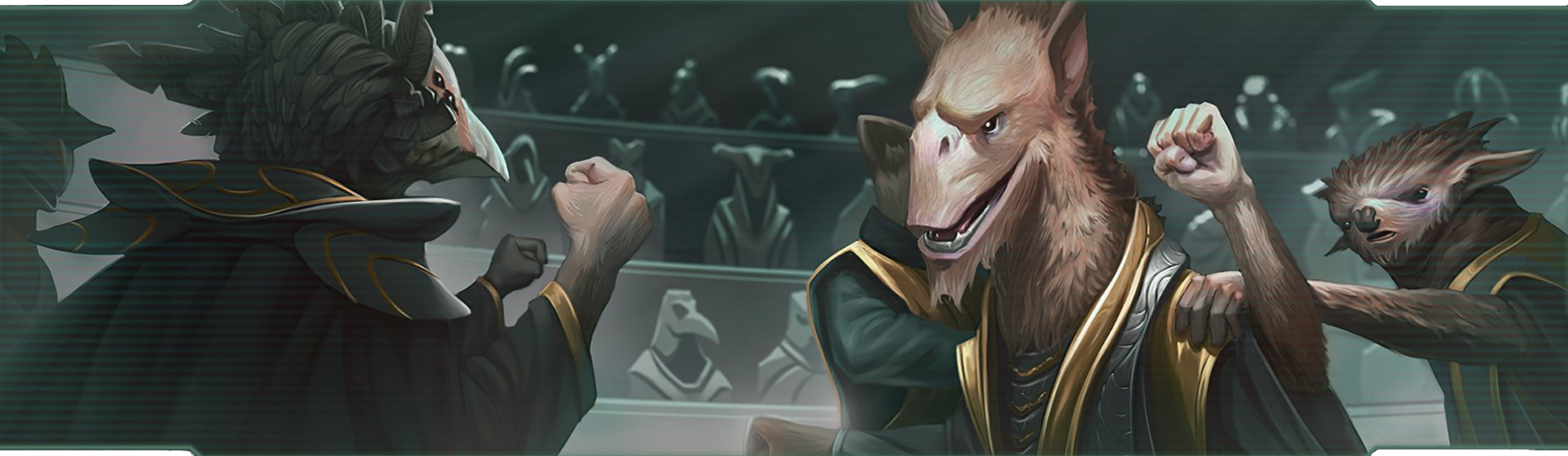
Other than the diplomatic enhancements, this expansion adds seven of the most important Origins in the game. Common Ground and Hegemon are two Origins that let your empire start as leader of a federation (Galactic Union and Hegemony, respectively) with other two newborn nearby empires. These empires share an ethos with you, but aside that there is no guarantee that they will get along very well, posing some problems in keeping the federation cohesion in check. The extreme proximity of the other empires can also create some expansion problems. That said, starting with two allied empires and the Diplomacy tradition already unlocked makes your empire really strong since the early game.
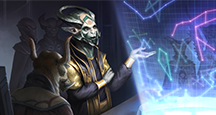 With the Scion Origin, your empire has been nurtured since the early stages of its technological development by a Fallen Empire. Now that your empire has reached FTL capabilities you have been entrusted with the task of bringing all other empires under its rule.
In contrast with the premise, as a Scion you still retain much of the autonomy of a regular empire, and your overlord will even grant you periodical gifts. Another quite powerful Origin to play is Shattered Ring which lets you start your game in a Ring World with some broken sections that can be repaired. It's worth noting that the power of these Origins may create balancing problems in multiplayer games or when they are assigned to the AI. In striking contrast with the aforementioned Origins, Doomsday presents no benefits for your empire.
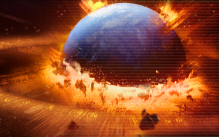 Being trapped in a collapsing world doomed to explode within a few decades, you have to relocate all your population somewhere else before it's too late. This will make for an interesting game for people who are looking for a challenge. Speaking of challenging Origins, with the Void Dwellers the former homeworld of your empire is long gone, and your species has been adapted to living in orbital habitats. This will provide you the Habitat tech, a couple of starting habitats, and some related bonuses. The drawback is that your species is now less adapted to live anywhere else.
The last Origin added with this expansion, On the Shoulders of Giants, offers a great story-driven start for your empire. Your home system will contain ancient ruins which, upon being explored, will trigger a long and curated storyline that will reveal parts of your empire's past.
The Origins present bring a number of interesting options both from a roleplay and gameplay prospective. Besides some power balancing problems, all of them feel special and are worth to be experienced in a playthrough for their peculiar mechanics and backstory (with a special mention to On the Shoulder of Giants).
Some interesting warfare additions are also included in this DLC, like the Juggernaut, a mega-ship that can be built on starbases with a Colossal Assembly Yard. With ten times the hull points of a Titan, It employs several hangar bays, medium and XL weapon slots. It is also able to project exclusive aura types that apply different effects to all ships in the system. This gargantuan ship also hosts two shipyards able to independently build, upgrade and repair ships. The Juggernaut can easily become the focal point of your main assault force. Although it is worth noting that the building and tech prerequisites make it only available in late game, when you are likely to have built a decent gateway infrastructure for your fleet already. This may reduce its usefulness when you are fighting in your own territory.
The Mega Shipyard is a megastructure able to produce a high number of ships rapidly and with an increased starting experience. In practice, this will provide a constant reinforcement of your fleets with minimal downtime, provided you have the economic infrastructure to support the production.
The current diplomacy system in Stellaris is an extra strategic layer where battles can be fought without using a single soldier, and this is certainly a must have DLC for anyone who is interested in expanding this kind of power dynamics. Even if diplomacy is not your cup of tea, the new Origins will make you experience variegated playstyles and the new ship and megastructure are pretty solid. It is an overall excellent choice and amongst the five big expansions currently available, this is probably the second one (after Utopia) you want to own.
Distant Stars
https://store.steampowered.com/app/844810/Stellaris_Distant_Stars_Story_Pack
This DLC expands the base game with a lot of new anomalies and events. In fact, the number of events increases of 50% from what you have with the base game only. These events are well written and on par if not of superior quality of what you usually find in the base game. Three new music tracks are also included.
 Additionally, you can also find several new systems with scripted events or peculiar conditions. An example is the Great Wound, a system with several black holes clustered together with alien creatures lurking around. Those systems yield interesting resources if you manage to find and conquer them.
 A series of new leviathans are also included in this DLC. They are not terribly different from what you can find in the Leviathan DLC, but they are well designed and coupled with interesting lore and events. Please refer to the Leviathan DLC section for a better description of what they are. Another interesting feature is the presence of the L-Cluster. In each game are present a series of L-Gates spread out in the galaxy. These work similarly to the gateways, except that they are connected to their own jump network. When you discover your first L-Gate it appears evident that the ancient civilisation that built it took great care in locking them and preventing their use. The acquisition of special insights is required to unlock the L-Gate system. These insights can come from events or, rarely, from mid-game tech. Once a sufficient number of insights are gathered a special project can be carried out to unlock the L-Gate system.
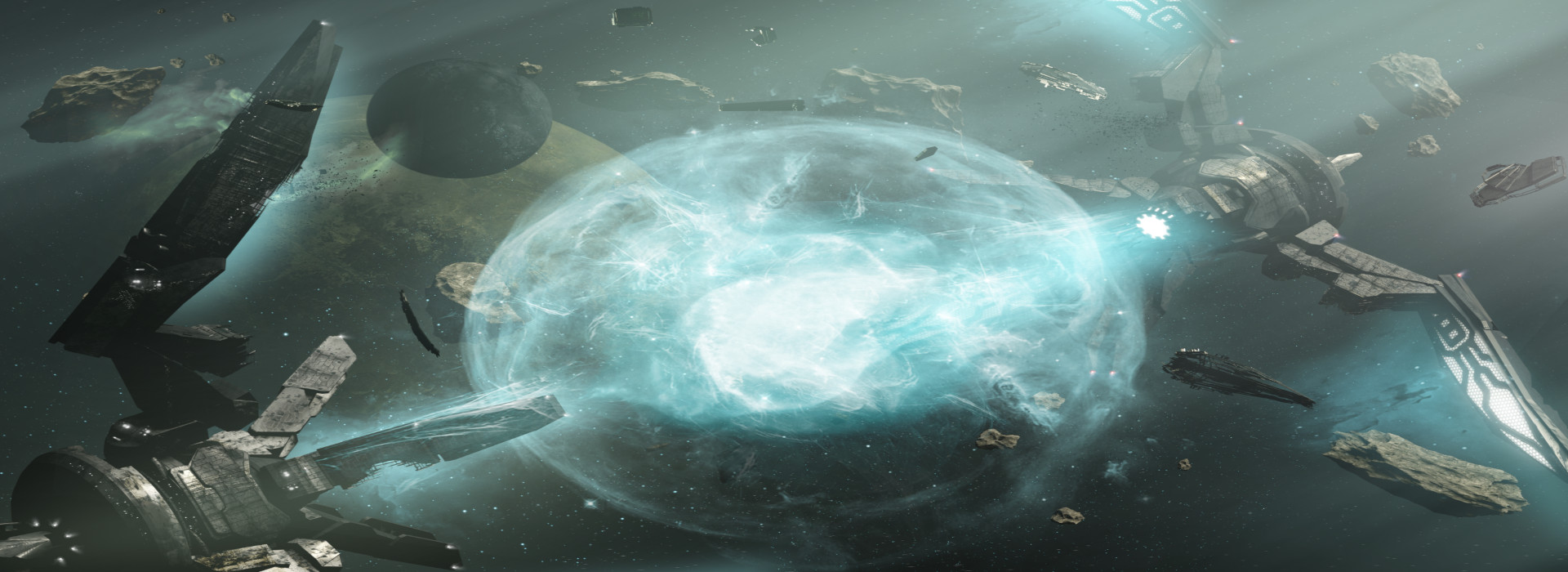 Once unlocked, the travel from one L-Gate and any other L-Gate in the galaxy becomes possible and, most importantly, the access to the L-Cluster is granted. This cluster is a series of interconnected systems that contains rare, and often, unique resources. This cluster of systems is totally isolated from the galaxy, residing in a special pocket dimension. As a result, it can only be accessed through L-Gates. After a few months that the L-Gates are unlocked, any empire will be able to use them, also gaining access to the L-Cluster as well. Unlocking the L-Gates will give you only a head start on the rush to the new systems.
An interesting part of the L-Cluster is that, sometimes, it is not empty. I won't spoil any further, suffice to say that a certain number of events can happen once the L-Cluster is open, and some of them will lay bare why the ancient civilisation went to extra length into locking the L-Gates so well.
This is a pretty solid DLC that adds a fair amount of content considering the asked price. The L-Cluster is always present in every game, making it something you can rely on. The extra events add more variety in the early game and more leviathans are always welcome. The extra variety added in several aspects of the game may makes this an ideal second DLC to own (after Utopia) since others are more focused on specific aspects.
Ancient Relics
When your species arises as a galactic empire, with the development of FTL technology, it is set to learn very quickly an important lesson: it is not alone in the galaxy.
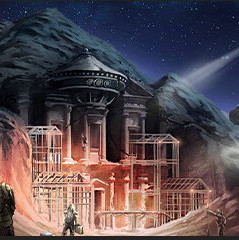 Many other empires have recently developed the same technology and, most interestingly, countless other empires had pursued the same path in the centuries and millennia before. A few of them survived long enough to have lost any interest in exploration and external struggles, in favour of an introspective and isolated stagnation. These fallen empires are counted among the lucky ones. Most other species have been hunted down and destroyed by more advanced civilisations, extinguished by cataclysms of cosmic proportions or torn apart by internal conflicts that drove them to extinction. These empires arose, peaked and rapidly fell, leaving behind only ruins to tell their hopes, their dreams and their untimely demise. Ruins left to tell their story.
  Ancient Relics is a DLC focused on these stories. Each planet in the galaxy has a chance of containing ancient ruins that can be excavated. Similarly to the anomalies, a scientist must be sent there in order to begin the exploration. Unlikely the anomalies, the excavation is not a one-off event.
 The analysis of an ancient ruin must follow a series of steps, after each one the scientist can make a breakthrough. The chance of breakthrough is dependent on your scientist expertise. Initially, the site is only described according to a cursory analysis performed when it is discovered. When a breakthrough happens a piece of the story behind what happened in that site is provided, and the exploration can reach a new depth. Once the excavation is concluded all the information that could be gathered are revealed and ancient artifacts are recovered.
These alien artifacts are a rare, and limited, resource, that can be consumed to provide a temporary boost to an ethos, some limited amount of resources, some insight on powerful ancient civilisations or reverse engineered to gain a technological bonus.
 If you are particularly lucky (or brave) you can also come across an Ancient Relic. These are very powerful and unique artifacts or trophies, that grant a passive bonus to your empire. Once every 10 in-game years an ancient relic can be activated to obtain a single significant bonus. I won't spoil any further, leaving you to discover the effect of each one. A particular mention goes on the art of those relics. They are displayed in a special tab in the game interface, and they are simply beautiful to look at. Having to activate one of them every 10 years gives you the perfect excuse to admire your collection. Empire relics are stored in their capital, and conquering it gives you a small chance of stealing one of them. When this DLC was introduced, three relics have been made available in the base game that can be found in the late game, and a couple more are present in other DLCs. So you can have a chance to find some relics even if you don't own this expansion. That said, this DLC introduces 14 extra relics to play with, each one of them with a specific, and powerful, effect for your empire.
As a complement to this DLC are four new music tracks and two new precursor civilisations, each one with a rich backstory and some interesting events. Finally, in this DLC you can also find the Relic Worlds. Once prosperous capitals, each one of these words is a gargantuan testament of long gone civilisation. You can explore them to acquire powerful relics, or simply colonise them for a significant research boost. It requires a bit of renovating work, but if you are willing to allocate the required amount of time and resources, you may also be able to restore them to the original ecumeneopolis they once were.
If you appreciate good written stories and adding an extra layer to your game, you'll find a lot of value packed here, and this expansion will certainly have a special place amongst your DLCs collection.
Leviathans
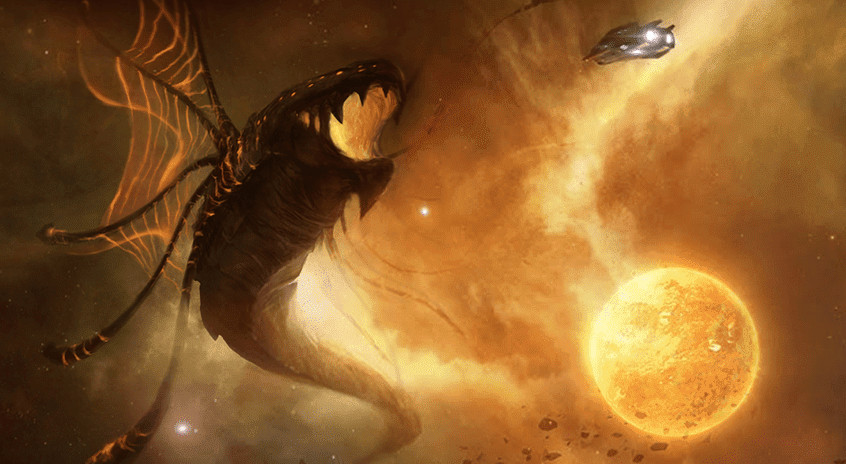 This DLC introduced for the first time the leviathans, huge creatures that lurk random systems in the galaxy. A total of eight different leviathan types are present. They are unique, so two of the same types can't be present in the same galaxy, and generally at least a couple of them are placed in random systems at the start of the game. They are generally stationary in the system they inhabit and can't be realistically faced until the mid-late game. Seven of them are very aggressive and will attack any ship that enters their system. Each leviathan comes with a side story and often with some substantial bonus once destroyed. Different leviathans are also present in other DLCs, however the ones present in this expansion are generally more curated and original in their story and design. Here you can find some of the most iconic leviathans, like the Ether Drake or the Dimensional Horror which quickly became part of the Stellaris identity.
 Another feature of this DLC is the introduction of the enclaves. Those are neutral factions that are stationary in a single big station and that can be encountered in random systems through the galaxy. They can be interacted to get a bonus in an area, like research, or to get access to a strategic resource. They also offer some long term contracts that provide major boosts and a leader who can be hired, which can take a Council seat if you also have Galactic Paragons. Finally, they can also help you in defeating the leviathans if you make it worth their while.
The War in Heaven is a mid game crisis with an ominous name probably chosen as a nod to Warhammer 40k. Normally, after a game enters its late stage, a fallen empire has a chance to awake and start expanding its borders as a normal empire would.
Another feature of this DLC is the introduction of the enclaves. Those are neutral factions that are stationary in a single big station and that can be encountered in random systems through the galaxy. They can be interacted to get a bonus in an area, like research, or to get access to a strategic resource. They also offer some long term contracts that provide major boosts and a leader who can be hired, which can take a Council seat if you also have Galactic Paragons. Finally, they can also help you in defeating the leviathans if you make it worth their while.
The War in Heaven is a mid game crisis with an ominous name probably chosen as a nod to Warhammer 40k. Normally, after a game enters its late stage, a fallen empire has a chance to awake and start expanding its borders as a normal empire would. 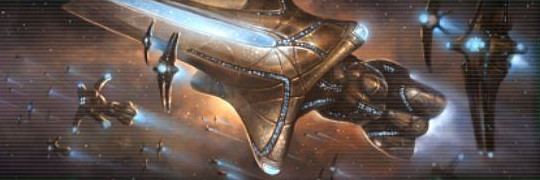 When this happens, with this DLC there's a possibility that another fallen empire will awaken in response, waging war to its ancient rival. This triggers a galactic war where all the minor empires (yours included) have to decide which side to support in battle, becoming a vassal of the respective fallen empire. Remaining independent is always an option however, depending on the current political situation, it may be a risky one.
The gameplay features are complemented with five extra portraits (of different species) and five extra music tracks.
Enclaves are useful to get a hand in acquiring specific resources, or to get a bonus in some areas. Leviathans and the War in Heaven provide much needed action to the late-mid/early-late game. For the asking price this a very nice DLC that grants extra content, a bit of story and the possibility of a galaxy changing event.
Nemesis
https://store.steampowered.com/app/1522090/Stellaris_Nemesis/
Like an illegitimate child of Apocalypse and Federations, Nemesis offers a unique way to declare total war to the galaxy as well as the diplomatic means to ensure peace and prosperity under your aegis, tying everything together with an expanded espionage system. This DLC also gives you access to the Galactic Council (albeit without veto powers) should you not have Federations already.
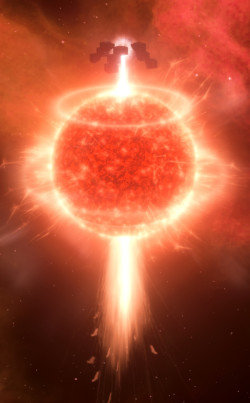 Fanatic purifiers, exterminator AI machines, leviathans, marauders…the galaxy has no shortage of menaces for a newborn empire. Some of them are an existential threat for empires, others, the more sudden and alien of all, threaten the existence of the whole galaxy. This DLC expands this theme, giving the possibility for any empire to become a galactic crisis, working toward the extinction of any life form. This path starts selecting a special ascension perk (with no prerequisites) that unlocks five different levels, each one providing a significant bonus to the whole empire and the possibility to build special powerful ships. Each level is gated by certain generic belligerent activities and a special project. The last level will reveal the true menace that the empire represents, and all the empires of the Galactic Community will rally against it. At this point, two Star-eaters will be given to the empire and the infrastructure of the Aetherophasic Engine will be placed around the star of the home system. A star-eater is a single massive ship that has the power to destroy stars, including every planet, structure, and fleet in that system. The goal is now to destroy enough systems to power the Aetherophasic Engine, thus triggering the galactic destruction, before other empires will stop you.
This new mechanic is generally very fun to play, but it suffers from some balancing problems. For instance, a questionable choice is that the opinion of other empires is mostly unaffected until the last level is reached. Fallen empires and everyone not in the Community seem to be totally cool with our intention of destroying the galaxy. Finally, the bonuses derived from the crisis Perk are very significant, considering it can be picked very early on, and the star-eaters alone can decimate entire fleets. Another aspect is that the Aetherophasic Engine (a reskinned Dyson Sphere) has five very long stages to be completed and it requires a significant part of the galaxy to be destroyed by star eaters. In practice, it’s very easy to be in a situation where the game is over well before the engine is complete.
Fanatic purifiers, exterminator AI machines, leviathans, marauders…the galaxy has no shortage of menaces for a newborn empire. Some of them are an existential threat for empires, others, the more sudden and alien of all, threaten the existence of the whole galaxy. This DLC expands this theme, giving the possibility for any empire to become a galactic crisis, working toward the extinction of any life form. This path starts selecting a special ascension perk (with no prerequisites) that unlocks five different levels, each one providing a significant bonus to the whole empire and the possibility to build special powerful ships. Each level is gated by certain generic belligerent activities and a special project. The last level will reveal the true menace that the empire represents, and all the empires of the Galactic Community will rally against it. At this point, two Star-eaters will be given to the empire and the infrastructure of the Aetherophasic Engine will be placed around the star of the home system. A star-eater is a single massive ship that has the power to destroy stars, including every planet, structure, and fleet in that system. The goal is now to destroy enough systems to power the Aetherophasic Engine, thus triggering the galactic destruction, before other empires will stop you.
This new mechanic is generally very fun to play, but it suffers from some balancing problems. For instance, a questionable choice is that the opinion of other empires is mostly unaffected until the last level is reached. Fallen empires and everyone not in the Community seem to be totally cool with our intention of destroying the galaxy. Finally, the bonuses derived from the crisis Perk are very significant, considering it can be picked very early on, and the star-eaters alone can decimate entire fleets. Another aspect is that the Aetherophasic Engine (a reskinned Dyson Sphere) has five very long stages to be completed and it requires a significant part of the galaxy to be destroyed by star eaters. In practice, it’s very easy to be in a situation where the game is over well before the engine is complete.
When the galaxy becomes a dangerous place, strength can be found in unity, and a Custodian can be selected from the Galactic Council to defend that unity, by means of notable influence and special diplomatic powers. For starters, the Custodian can call emergency measures, has free access to basic intel and the territory of any member of the Community and can prematurely end or even freeze resolutions. Most importantly, the Custodian has access to special resolutions. These include public service resolutions that can offer protections from pirates, reduce crime, increase ships speed or rally the whole community against a common enemy. Notably, the Custodian can decide that in order to uphold the peace, it's time to constitute a Galactic Defence Force, in the form of one or more fleets that are maintained by the community but that are under the direct control of the Custodian. Of course all these resolutions need to be voted, but considering a Custodian was already a member of the Council in the first place, having the necessary diplomatic weight to force the hand of the Senate is generally not a serious concern. Still, there is the possibility that some ungrateful empire, growing complacent of the peace you fought so hard to keep, will vote to unseat the Custodian. So maybe it's time to make clear that only your vision can keep the galaxy safe.
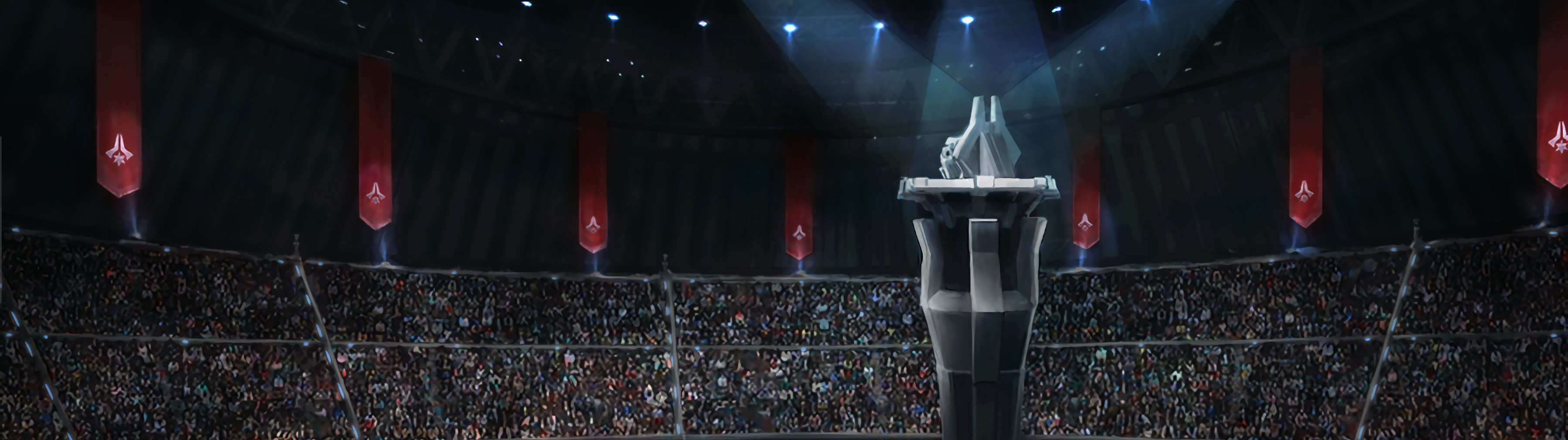 The Custodian can propose a resolution that, if passed, will reshape the political landscape of the galaxy converting the Galactic Community into the Galactic Imperium. All the federations will be disbanded, and all the members of the Community will join the newly formed Imperium, with the former Custodian as permanent Galactic Emperor. To better reflect the new role, the ethos of the Emperor will shift towards Fanatical Authoritarian, with Imperial as a form of government, gaining an exclusive Galactic Sovereign civic for a massive gain in influence and diplomatic weight. The Emperor retains all the privileges that it had as a Custodian including the fleet, rebranded as Imperial Armada, that can now be complemented with Imperial Legion armies. The Imperium is significantly more regulated than the Community, and depending on the internal policies, members can’t wage war among each other unless it’s for gaining a seat in the Imperial Council. Members aren’t free to leave the imperium either, and an Imperial Crusade can force an external empire to join the fold. The cohesion of the Imperium is represented by the Imperial Authority, which can be raised or undermined by empires using envoys. Should the Authority fall too low, some empires can spark a rebellion and split the Imperium into rebels and loyalists resulting in a galactic war that will decide its fate.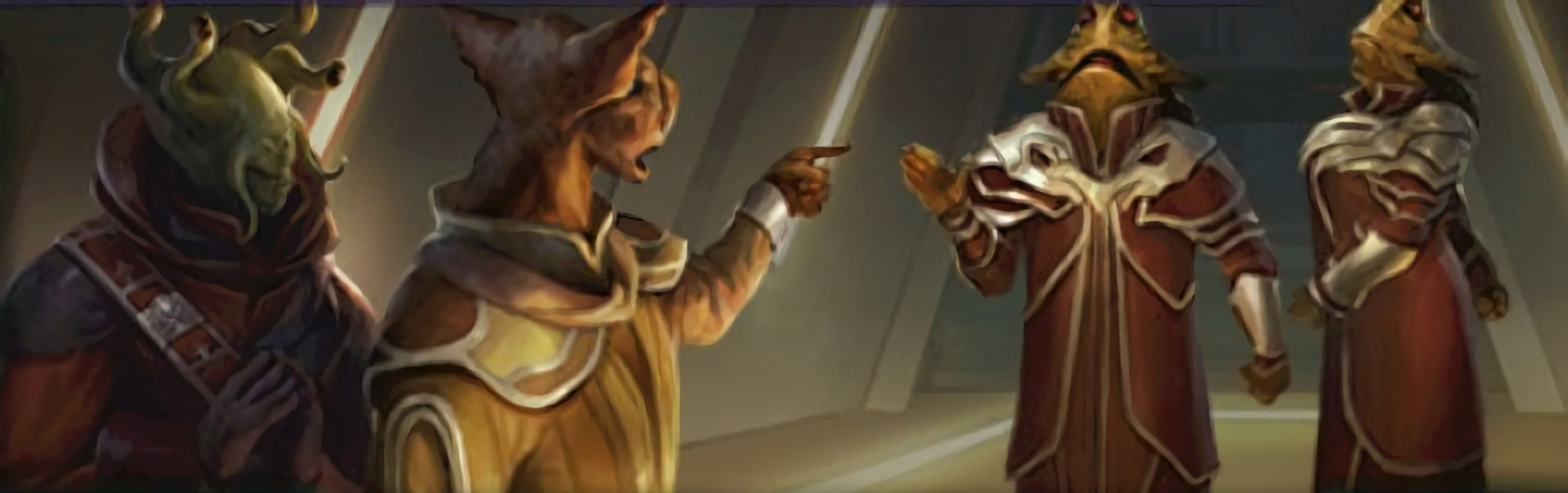
The espionage feature, present in a bare-bone state in the vanilla game, is here expanded with a new tradition and numerous operations, each one requiring a certain infiltration level. Assets can be acquired and spent to improve certain operations. These come in different forms, like corrupt politicians, rogue drones, backdoor placed in certain algorithms or even organs gathered from vivisecting the diplomats of the target empire, during the first contact. Technologies can be stolen, rebels can be secretly funded to arise against the target empire and it’s even possible to plant a beacon, luring a galactic crisis in their territory. Perhaps the most interesting operations are the smear campaign and the possibility of sparking a diplomatic incident. These operations give the rare opportunity of indirectly manipulating other empires' relations. These are best used to break alliances and isolate a target before declaring war. The problem with this system is that operations are generally long to execute and in many cases the result is underwhelming. Sabotage Starbase, for instance, is a difficult, expensive and long operation that destroys just a single random module on a specific starbase. Crucially, in order to gather infiltration level and run operations you need to assign very limited envoys, hindering the possibilities in other diplomatic fronts.
Nemesis is certainly an expansion packed with content that feels interesting albeit a bit rushed and rough around the edges. Should you want to see the galaxy burn, or rule it with an iron fist, this expansion has something to offer and the espionage, despite tis flaws, offers unique and useful possibilities.
First Contact
Old stories about strange lights in the sky and improbable abductions bubbled up from time to time in the local news since you had memory. You even recall some fringe theories about alien infiltrations in the higher ruling class, pushed by questionable individuals that have more time than sense. Turns out, sometimes those stories are true.
 First Contact is a DLC heavily focused on pre-FTL civilisations, enhancing the interactions and even providing several ways to play as one. The non-violent interactions with pre-FTL civilisations are here expanded with espionage operations to modify the awareness and, once said civilisation is fully aware of your presence, the possibility to form a commercial agreements with them. Observation of the primitive world now yields unique event chains, that can change the course of their history as well as grant you insight into technological paths that were discarded as dead ends in your world. This will give you the opportunity to research a dozen unique tech options that can't be obtained elsewhere. These insights are mechanically interesting and the cost to acquire them is relatively low, but the added diplomatic and espionage options are limited in number and impact. Quite interesting are the pre-FTL situations which involves your intervention on planet-wide events that can drastically change the primitive civilisation.
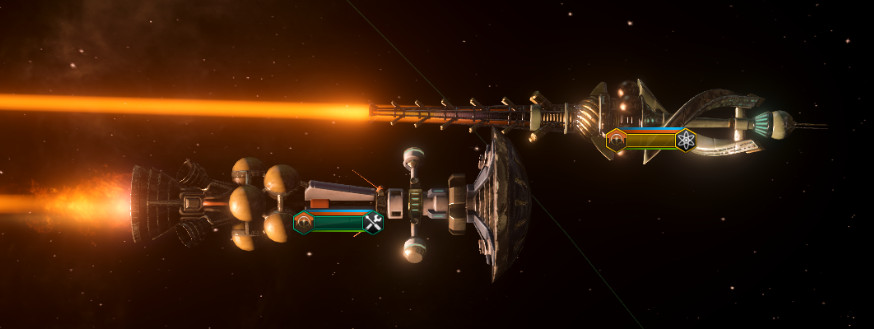 In Eager Explorer, the new civic included, your newly FTL empire was too eager to leave the planet and developed a different FTL method, which allows limited subspace jumps instead of using the hyperlanes. This makes for a pretty unique gameplay, and comes with two custom models for civilian ships, but it also set your empire back in tech and disable some basic features, like auto-exploration/construction and can't chain movements. In a nutshell, it's an extra origin in disguise, albeit without story content, and it can be combined with other origins. This civic comes also in different variants for megacorp and gestalt empires, with different bonuses.
In the Fear of the Dark origin your civilisation witnessed the complete destruction of a nearby planed in your system, possibly from an intelligent mind. Now part of your population isolated itself on a recently terraformed planet, afraid of what lurks in the dark. This Liu Cixin inspired origin is perhaps the most interesting of the DLC, including interesting chain of events, interactions and the possibility to drastically change the empire depending on your mid-game decisions.
In Eager Explorer, the new civic included, your newly FTL empire was too eager to leave the planet and developed a different FTL method, which allows limited subspace jumps instead of using the hyperlanes. This makes for a pretty unique gameplay, and comes with two custom models for civilian ships, but it also set your empire back in tech and disable some basic features, like auto-exploration/construction and can't chain movements. In a nutshell, it's an extra origin in disguise, albeit without story content, and it can be combined with other origins. This civic comes also in different variants for megacorp and gestalt empires, with different bonuses.
In the Fear of the Dark origin your civilisation witnessed the complete destruction of a nearby planed in your system, possibly from an intelligent mind. Now part of your population isolated itself on a recently terraformed planet, afraid of what lurks in the dark. This Liu Cixin inspired origin is perhaps the most interesting of the DLC, including interesting chain of events, interactions and the possibility to drastically change the empire depending on your mid-game decisions.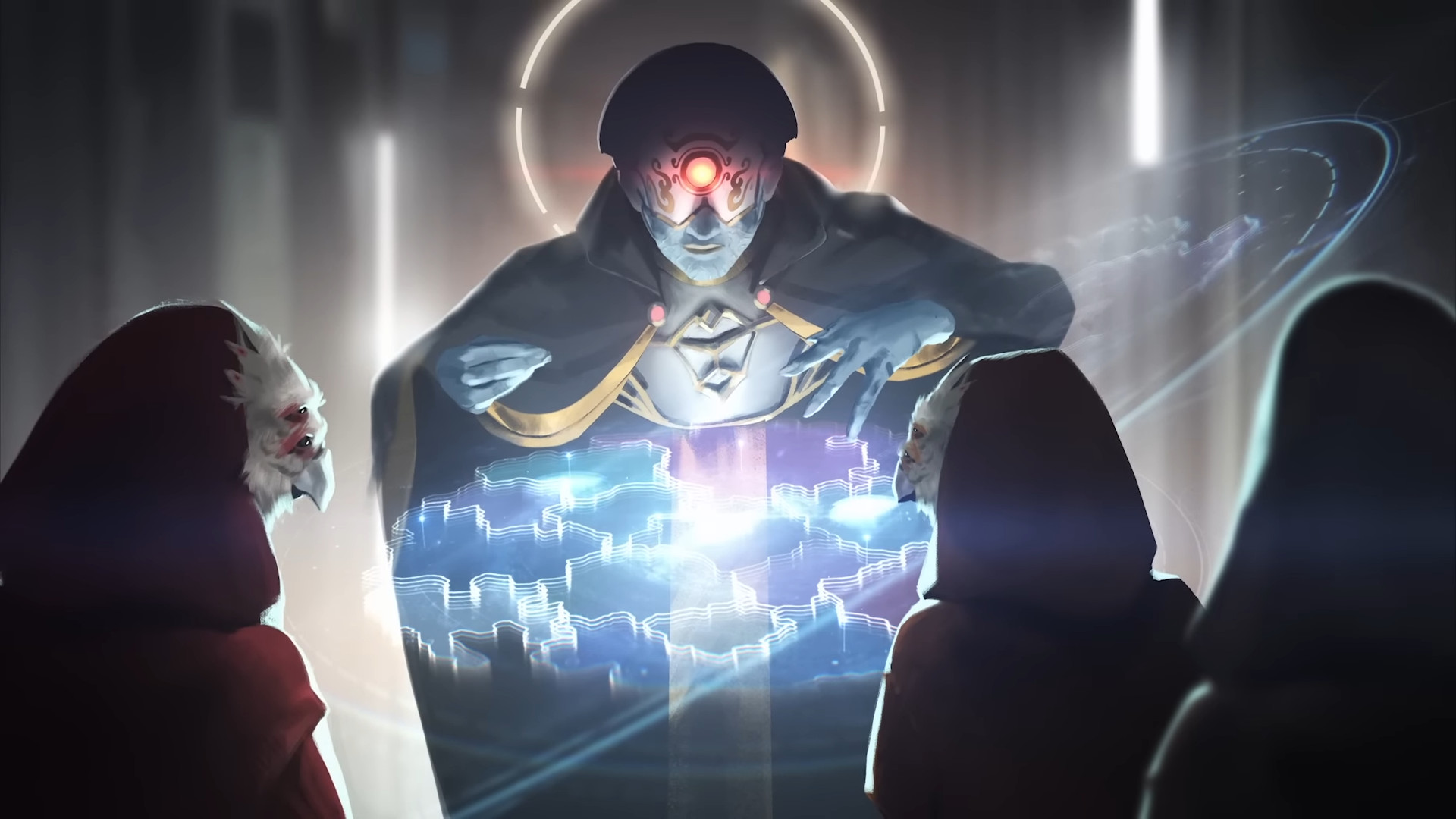 In the Payback origin your planet has been invaded by an alien force. Instead of accepting its demise your species fought back, ultimately forcing the more advanced invader to leave. The aftermath left the few survivors plenty of alien technology and a urge for retribution. What wasn't immediately clear was that your planet was only the last stop in an endless process of enslavement of pre-FTL civilisations by the alien invader, the Minamar Specialized Industries. Broken Shackles is a sister origin, that let you play as an empire formed by members of different species that sparked a mutiny on one of the MSI slaver ship, performing a crash landing on a planet. With a lack of some fundamental knowledge and limited resources, your improvised empire needs to join the forces of different pre-FTL species to find their place among the stars. As a first for Stellaris, these two origins are intertwined and selecting one always guarantee the presence of the other, alongside the (unplayable) MSI empire and a number of pre-FTL civilisations across the galaxy. The MSI empire also comes with a unique portrait and ship models which, unfortunately, cannot be used by a player empire.
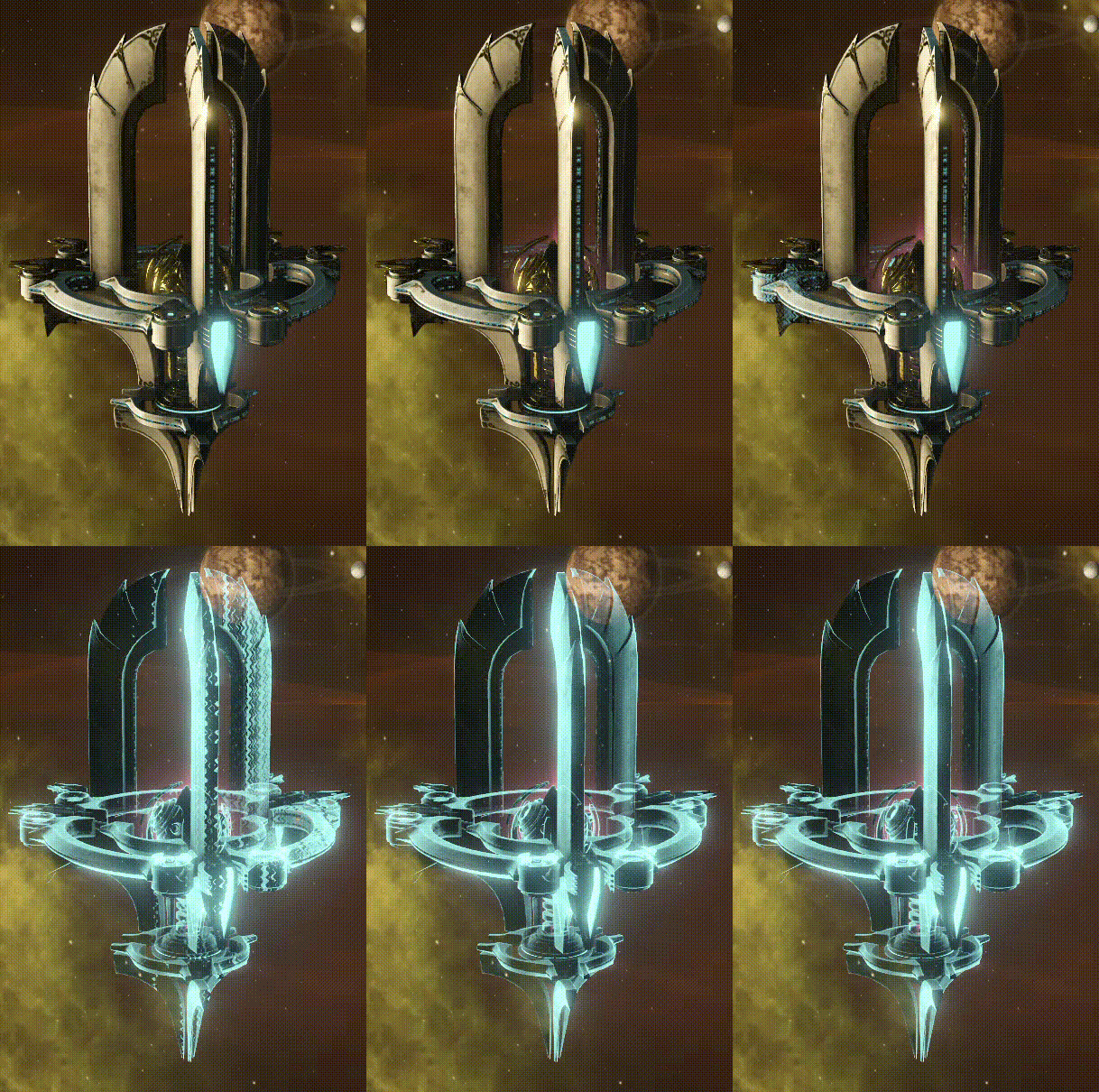 Surely a pre-FTL civilisation will sooner or later question why there is a orbiting station in the sky with all those sensors pointed to them. The last feature present in this Story Pack is the ability to cloak your ships and observation posts, which has also the result of adding an extra layer to warfare. This comes in the form of a new set of techs to be researched. The cloaking strength is dependent on the tech level and the size of the ships you want to make invisible. Interestingly enough, you are also able to cloak science ships, which is very useful to research debris, projects and perform reconnaissance on colonised planets within unwelcoming territories. The other side of the coin is that invisible fleets are generally slower and they need to divert energy from the shields when cloaked, making ambushes a risky business as a result. The most direct military application is to strategically position your cloaked fleets in target enemy systems before declaring war, which is especially easy to pull off if the enemy hasn't invested enough in Detection Arrays in their starbases. On the one hand, the premise of this feature is interesting, and it adds an extra strategic layer to combat. On the other, it's quite hard in practice to invest heavily in this technology, considering the limited benefits. The end result is that empires that are able to out-stealth you are generally the ones that were already able to out-gun you anyway.
Between the new pre-FTL interactions and the intertwined origins there is definitely a lot of RP value in this Story Pack. Cloaking capabilities is a staple trope of most sci-fi settings and here adds variety and unpredictability to the game. Overall, the numerous additions are quite interesting, but considering the high price point and the fact that some of the features introduced are most appreciated only by veteran players, this is probably not the DLC you want to pick to start your collection.
Big shout out to Ludus_Ludio for gifting me a copy of this DLC making this entry possible!
Apocalypse
Apocalypse is, as the name suggests, a DLC heavily focused on expanding wartime possibilities.
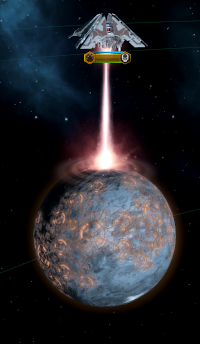 Perhaps the most iconic feature added is the colossus-class ship. The size of this structure is a sort of middle ground between a ship and a megastructure. It operates like a very slow ship, but it is unable to defend itself or deal any damage to other ships. The colossus has only one purpose, to destroy, isolate or conquer instantly a planet. Before it can be built, the Colossus Project ascension perk must be obtained, which will provide a special project that allows you to select the specific weapon the Colossus will use. The weapon used is dependent on your species ethos. Pacifists can use a Global Pacifier that creates an impenetrable, and permanent shield around the planet, isolating it from outer space forever. Other, more direct, options include the Neuron Sweep, that instantly kills all the population of the planet, leaving the structures intact, or the World Cracker, that simply destroys the whole planet leaving just a shattered world behind. Unsurprisingly, using a Colossus on an enemy planet is devastating for his morale, and significantly increases the war attrition. Also unsurprisingly, its use is generally considered an atrocity to most of the galaxy empires, so some backslash in their relationship must be expected.
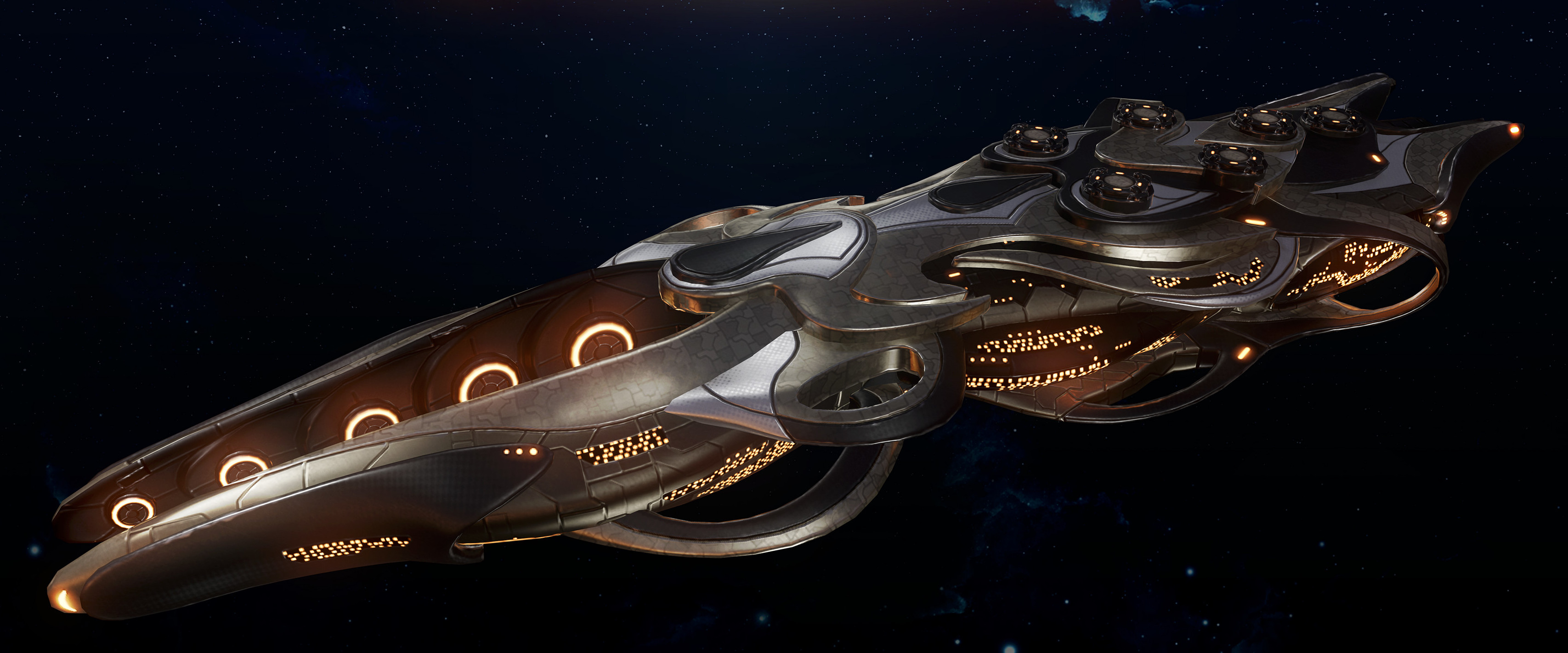 If the sheer destruction of a Colossus is a tad too much for you, the next most destructive thing you can build is the Titan-class ship, also included in this expansion. It is a class of huge ships that can mount a great amount of large weapons and is able to project an aura that affects nearby ships. Its firepower is significantly greater than the one of the Battleship, the next ship class in line amongst the most powerful ones in the game. In comparison, the Titan class also employs more than three times the hull points. A Titan is able to endure even the longest battle delivering, at the same time, a great amount of damage to all but the most nimble ships in the galaxy. It is also the sole ship able to mount an exclusive Titan-class frontal cannon, which comes in different types. To somehow counterbalance this powerful ship class, with this DLC it is also possible to build Ion Cannons, a large defence platform that is able to mount Titan-class weapons and can be built only on the largest defence stations. Speaking of defence, this expansion adds the Unyielding tradition, which increase the starbase cap, enhancing them, as well empowering your armies and fleet within your border.
Another interesting feature is the presence of the Marauders. This faction is formed by a number of clans - generally 3 on medium sized galaxies - spread out in the galaxy. The Marauders have a fairly advanced technology (somewhere between a newborn and a fallen empire) and are very aggressive. Interestingly enough, they are not expansionists, and they even accept bribes to avoid raiding your empire or even to raid an enemy territory. The clans are usually in a permanent state of internal conflict, but it could happen that a Great Khan rises and unites a clan as a newborn empire, the Horde, with the common goal of conquering the galaxy, triggering a mid-game galactic crisis.
If the sheer destruction of a Colossus is a tad too much for you, the next most destructive thing you can build is the Titan-class ship, also included in this expansion. It is a class of huge ships that can mount a great amount of large weapons and is able to project an aura that affects nearby ships. Its firepower is significantly greater than the one of the Battleship, the next ship class in line amongst the most powerful ones in the game. In comparison, the Titan class also employs more than three times the hull points. A Titan is able to endure even the longest battle delivering, at the same time, a great amount of damage to all but the most nimble ships in the galaxy. It is also the sole ship able to mount an exclusive Titan-class frontal cannon, which comes in different types. To somehow counterbalance this powerful ship class, with this DLC it is also possible to build Ion Cannons, a large defence platform that is able to mount Titan-class weapons and can be built only on the largest defence stations. Speaking of defence, this expansion adds the Unyielding tradition, which increase the starbase cap, enhancing them, as well empowering your armies and fleet within your border.
Another interesting feature is the presence of the Marauders. This faction is formed by a number of clans - generally 3 on medium sized galaxies - spread out in the galaxy. The Marauders have a fairly advanced technology (somewhere between a newborn and a fallen empire) and are very aggressive. Interestingly enough, they are not expansionists, and they even accept bribes to avoid raiding your empire or even to raid an enemy territory. The clans are usually in a permanent state of internal conflict, but it could happen that a Great Khan rises and unites a clan as a newborn empire, the Horde, with the common goal of conquering the galaxy, triggering a mid-game galactic crisis.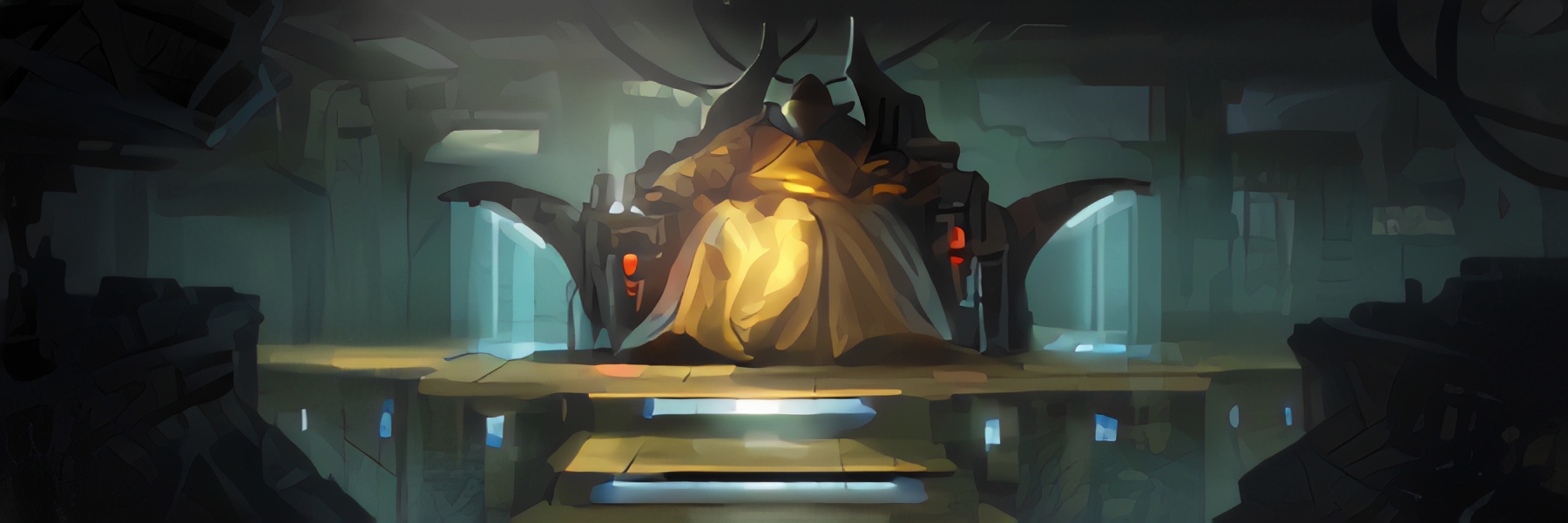 This DLC also adds three new music tracks and a couple of ascension perks, the most interesting of those is the Nihilistic Acquisition. Once this perk is obtained, the raiding bombardment stance can be used, with the effect of abducting the population to be brought to one of your planets to serve as slaves. A new civic, called Barbaric Despoiler, is also present, should you want to start the game playing an empire with this perk since the very beginning.
Two thematically opposed origins are also included. In the Post-apocalyptic origin your empire survived a nuclear apocalypse before developing FTL, turning their home planet into a Tomb World. As a result, they became more adapted to living in this kind of world and enjoy a longer life expectancy. In contrast, empires with Life-seeded origin evolved on a Gaia Planet, but unfortunately this made them not very adapted to live on any other world type.
The Colossus is a nice and thematically fit addition, and simply owning one is often a good enough reason to shift the political landscape of the galaxy. However its enormous cost in terms of tech and prerequisites makes its use in an actual game problematic. Besides, using the most destructive options to remove a planet from the enemy will also remove it for you, should you win the war. Titans and Ion Cannons are fun to play with, but it's hard to shrug off the more-of-the-same feeling.
Marauders are an interesting addition, that offer an extra strategic layer and a crisis to spice up the mid-game. Barbaric Despoiler can boost the early game significantly, giving you an extra opportunity to colonise a variety of different planets and the new origins can become the cornerstone of interesting runs.
This expansion provides a significant amount of content. Despite some of the features included have only niche uses, being an expansion focused on warfare, you are bound to experience most of them in every game.
MegaCorp
 MegaCorp is an economy-focused DLC. One of the most interesting features of this expansion is the Corporate authority. In this form of government, the corporations replaced any other form of government, effectively ruling over the population. Choosing this authoring gives you access to some exclusive civics. Some of them are focused on economic growth, like Free Traders giving a significant boost on the trade value of your trade routes. On the other hand, corporate civics tend to be in general quite variegate, with some that provide bonuses to war or diplomacy. Notable civics are Gospel of the Masses, that gives a spiritualistic flavour to your megacorpchurch, and Criminal Heritage, which root your government in the criminal underground.
Perhaps the most interesting aspect of playing an empire with the Corporate authority is the possibility of opening branch offices on other empire's planets, if they signed a commercial pact with you. These will provide the host empire some benefits and way better benefits for you. In case the Criminal Heritage civic is used, criminal branch offices can be opened on any non-hostile empire, which increases the local crime level and provides you energy credits based on that.
MegaCorp is an economy-focused DLC. One of the most interesting features of this expansion is the Corporate authority. In this form of government, the corporations replaced any other form of government, effectively ruling over the population. Choosing this authoring gives you access to some exclusive civics. Some of them are focused on economic growth, like Free Traders giving a significant boost on the trade value of your trade routes. On the other hand, corporate civics tend to be in general quite variegate, with some that provide bonuses to war or diplomacy. Notable civics are Gospel of the Masses, that gives a spiritualistic flavour to your megacorpchurch, and Criminal Heritage, which root your government in the criminal underground.
Perhaps the most interesting aspect of playing an empire with the Corporate authority is the possibility of opening branch offices on other empire's planets, if they signed a commercial pact with you. These will provide the host empire some benefits and way better benefits for you. In case the Criminal Heritage civic is used, criminal branch offices can be opened on any non-hostile empire, which increases the local crime level and provides you energy credits based on that.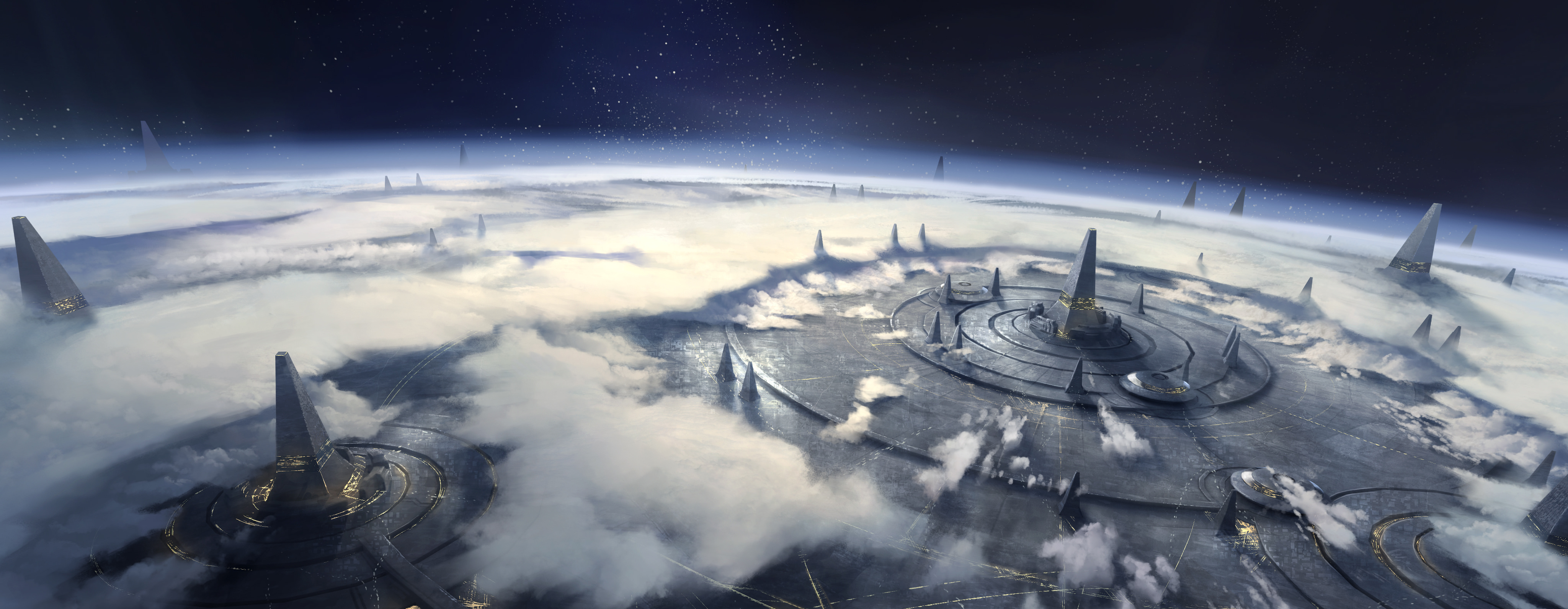 The Arcology Project ascension perk allows you to turn any world into an Ecumenopolis. Once the massive terraforming project is done, the whole planet surface will become a single, huge, city. This will remove any natural resource from the planet, but allows you to build specific districts and gain a massive production and growth boost. Another interesting ascension perk here present is the Xeno-Compatibility. In xenophile empires, this perk allows the natural proliferation of subspecies born from two different species that coexist in the same planet. The subspecies have traits randomly picked from the parent species.
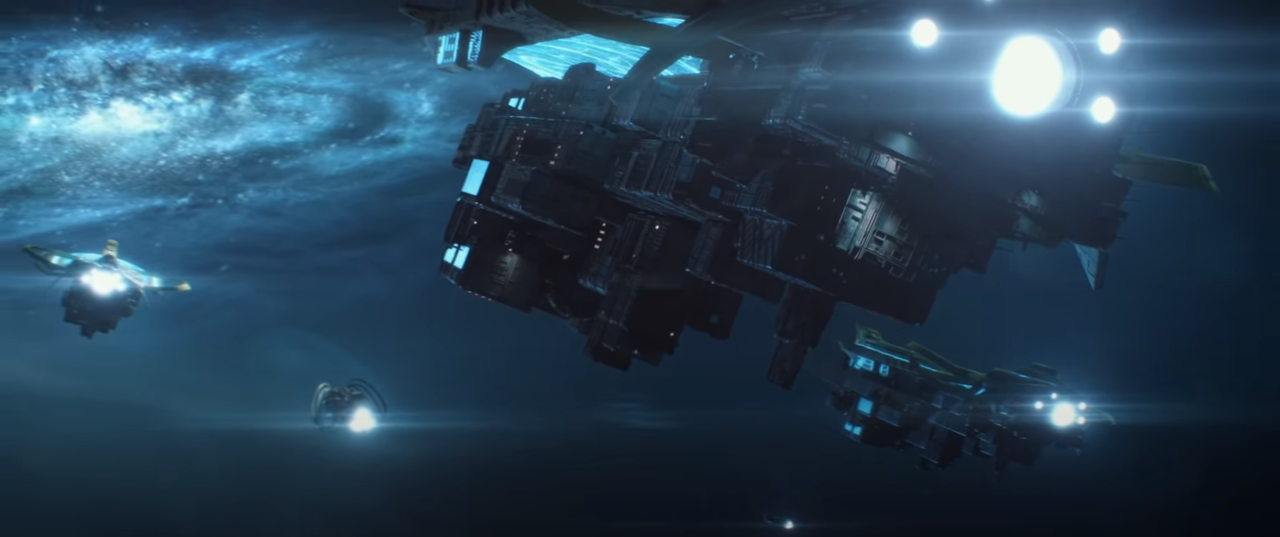 As a sort of peaceful counterpart of the Muraders present in Apocalypse, in this expansion you'll eventually encounter the nomadic Caravaneer Fleets. This faction will provide you interesting deals every time a fleet passes through your border. Caravaneer fleets are of three different types, each one with different characteristics. They offer all sorts of things, from rare resources to exclusive tech, ships or leaders. They also provide a sort of ingame lootbox, that can be opened spending a few energy credits. This is partially a mock to other, more greedy, gaming companies. A few nice events are also triggered from their visit.
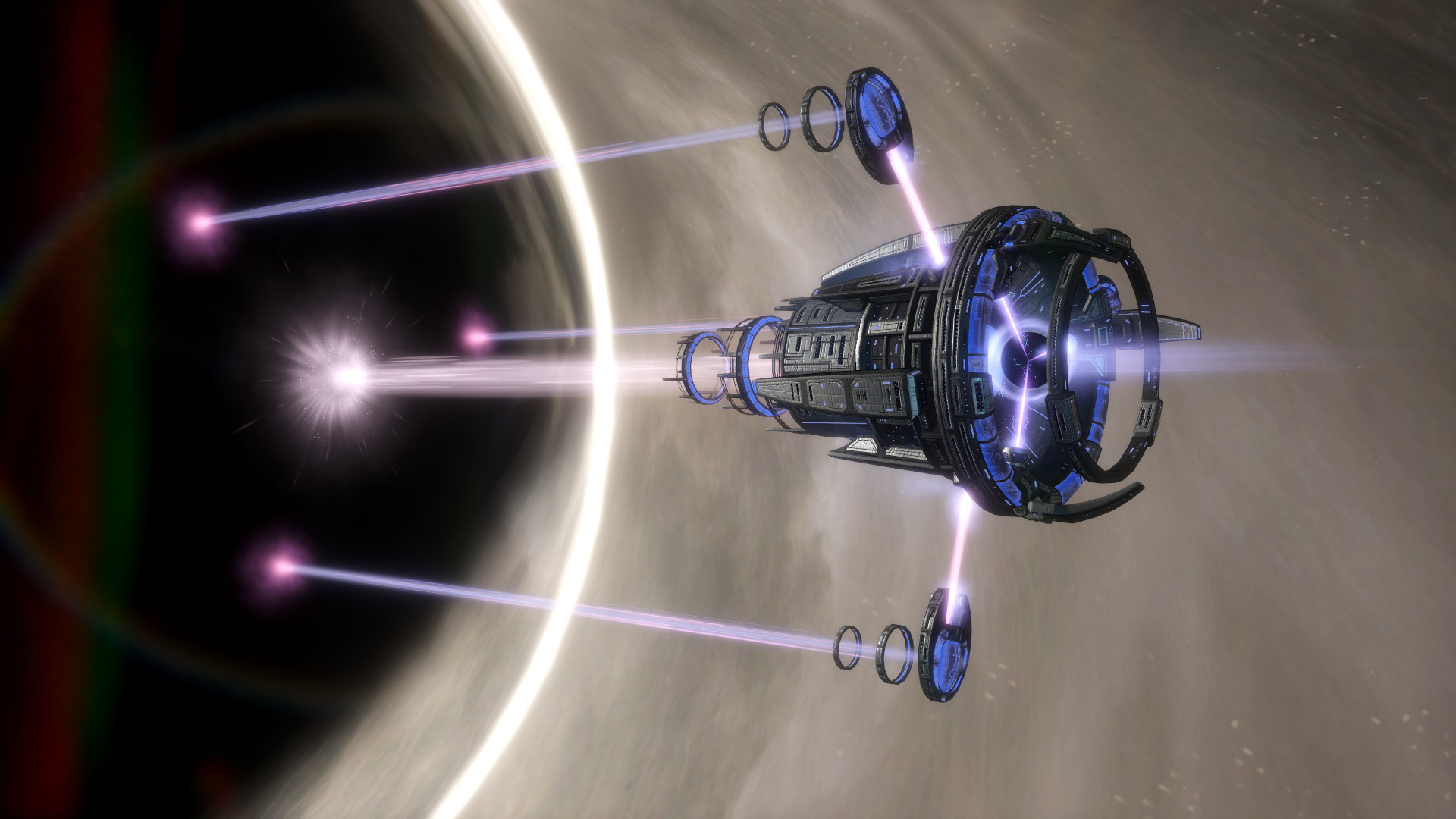 Four more megastructures are also unlocked with this expansion. The Matter Decompressor is built around a black hole and provides a huge monthly supply of minerals. The three other megastructures give you an edge in different areas like diplomacy, military and unity/happiness. It's worth noting that the Strategic Coordination Center increases the sublight speed of all your ships, significantly reducing the travel time of your fleets.
This DLC is complemented by the Slave Market, a special section in the galactic market, three new music tracks and three extra voice packs (Slick Corporation, Shady Conglomerate, and Communist). The Slave Market is useful even if you are xenophile and/or egalitarian. In this case the slaves you buy will become immediately citizens of your empire.
The Corporate Authority is clearly the most notable change in the game, and adds an extra interesting type of empire to face or play with. The branch office mechanic is interesting, but kinda hard to balance in terms of benefits both when you are playing with or against a megacorp. That said, playing with an empire with Criminal Heritage is certainly a fun run.
The added megastructures are useful, especially in certain situations, but in comparison to those present in Utopia feel a bit uninspired and generic. Finally, the Caravaneer can certainly give you a helping hand in some situations, but their impact in the game is definitely more limited on what you experience with the Muraders.
There is indubitably a large amount of content proposed in this DLC, however most of it struggles in finding an identity and inspiring an "awe" factor. The most impactful feature is the Corporate authority, and yet most of it revolves around just opening branches to exert soft power and giving you bonus resources. This may promote a "tall" growth of your empire, certainly helped by the presence of the Ecumenopolis, however this is a strategy that still has to find its place in the Stellaris meta. Considering the asking price I suggest of buying this DLC only if you are interested in playing as a Megacorp or if you already have a good selection of DLCs and want to add extra general variety to your games.
Overlord
I'm gonna review this DLC once I've acquired and tested it.
Galactic Paragons
I'm gonna review this DLC once I've acquired and tested it.
Astral Planes
I'm gonna review this DLC once I've acquired and tested it.
The Machine Age
I'm gonna review this DLC once I've acquired and tested it.
== Species Packs ==
The content you'll find in the species packs is quite similar, so I've grouped all of them in the following sections. Each pack includes at least a series of 15 portraits and custom models for ships and structures. With the sole exception of Plantoids, each portrait in each pack comes with a distinctive "greetings" sound when the diplomatic window is opened. Habitats, titans, colossi and juggernauts also have custom models. Random AI empires have a chance to use the portraits and ships models included in these packs, if you own them. A thematically consistent robotic portrait variant is also present for each pack. An extra preset empire is also included, should you want to jump right into the action.
Some of the earliest packs came out just as cosmetic additions. Recently, Paradox started a program with the aim of retroactively adding new content to old DLCs. As a result, all the species packs now also include thematically consistent gameplay features. Although the artistic aspect is still a major element of the Species Packs, the presence of playable features makes them akin to small expansions that enhance the game in subtle and yet recognisable ways.
If you are looking for a DLC to spice up your game and you are on a budget, these packs are certainly worth the cost.
Aquatics
https://store.steampowered.com/app/1749080/Stellaris_Aquatics_Species_Pack/
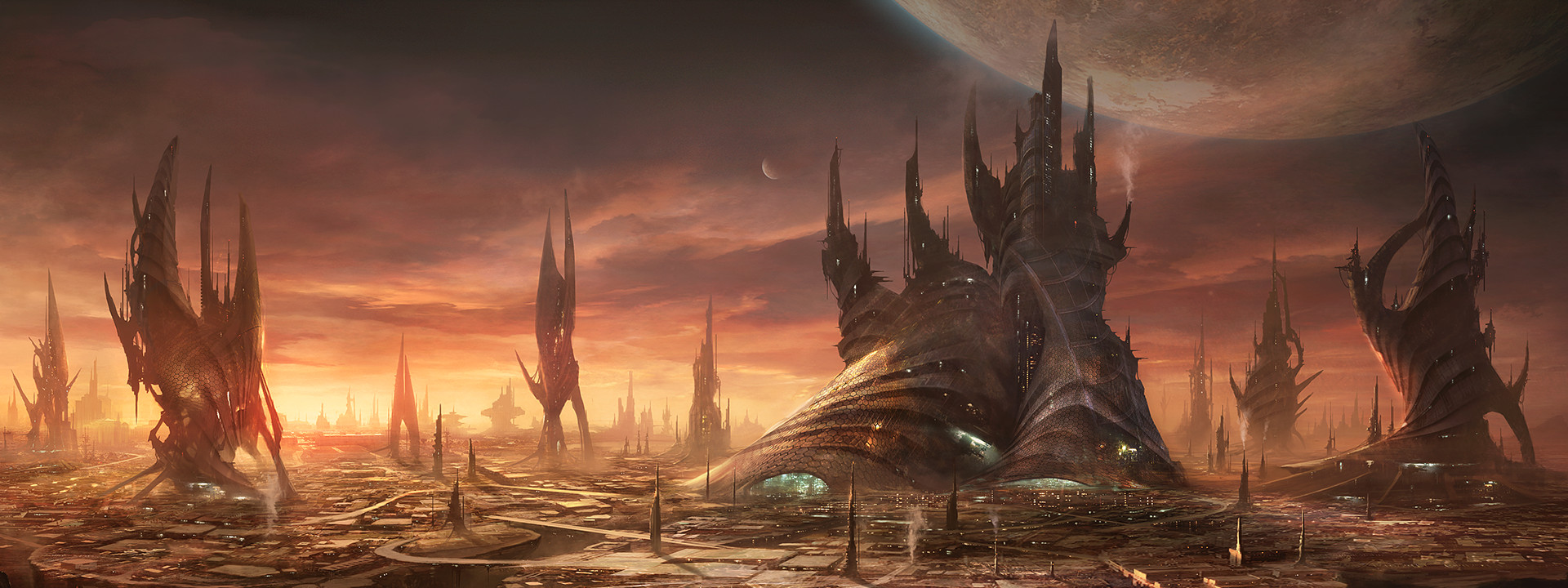
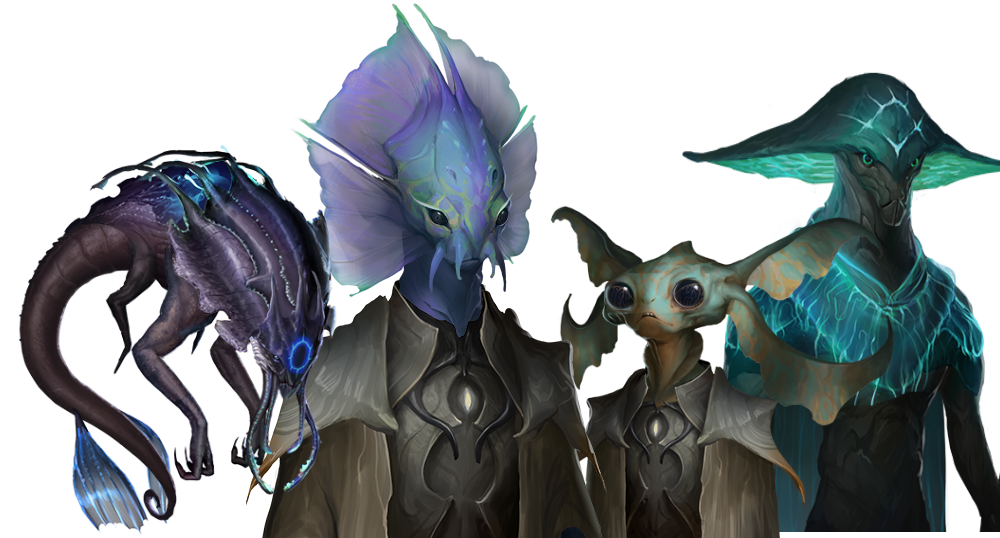 Aquatics proposes a water-themed collection of portraits, ship models and new features.
The overall quality of the portraits is very good. Though, a nitpick can be that half of the portraits resemble a humanoid shape, which some may find a bit odd considering the aquatic premise. The high number of color variants, different clothes and sexual dimorphism contribute in making even a single-species aquatic empire look pretty variegated. An aspect that it's too often overlooked in the design of a species pack. A similar quality is present in the ships and stations design, which borrows ideas from different aquatic elements, combining them in a unique look.Unfortunately, the same can’t be said about the new advisor voice, which sounds quite generic and uninspired. The aquatic trait is characteristic of species that have evolved living in vast oceans.
 Aquatic species make efficient use of the vast living space available beneath the sea level, as well as being able to effectively exploit the raw resources of this habitat. The price to pay for this is a reduced habitability in non-wet planets, as well as an increased requirement in housing usage and cost, to adapt their peculiar physiology to these habitats. This trait is not limited to the new species portraits and with a cost of just one trait point, is arguably one of the strongest in the game.
An exclusive civic for species with the aquatic trait is Anglers. This is a civic for societies that rely on fishing for sustenance. Traditional farmers are here replaced by anglers and pearl divers which, besides food, produce additional trade value and consumer goods. This is particularly useful in early game to support crucial structures, like research centres. Societies with Anglers also benefit from uncapped agriculture districts, up to the size of the planet.
Among the two origins included, Ocean Paradise makes your aquatic empire evolve into a rich, huge ocean world inside a nebula. This starting planet comes with a lot of resources and a bonus on happiness and growth speed. The catch is that all the habitable planets around are frozen worlds, unsuitable for an aquatic species. This is certainly an interesting origin for an empire that aims to build tall.
 A more peculiar origin that is not tied to the aquatic trait is Here be Dragons. Your species developed a pacific relationship with a leviathan that lurks in your starting system. The dragon offers protection, but also manifests occasional needs and demands. The relationship is mediated by a series of scripted multiple-choice events which lead to eventually communicating directly with the dragon, and getting unique and powerful benefits. Without spoiling the story I will only add that some contents in Utopia can speed up the events chain and, as an extra side bonus, a source of living metal is conveniently present within a couple of systems from your home world.
The Hydrocentric ascension perk is for empires that want to fully embrace their aquatic heritage. This perk significantly increases the effects of the aquatic trait and the ability of moving an enormous quantity of water with ease. Planets can more easily be terraformed into ocean worlds and ice mining stations can be built to increase the size of ocean planets and flood space habitats. Should you also own Apocalypse, this perk also gives access to the Deluge Machine colossus, able to instantaneously convert any planet into an ocean world, exterminating any non-aquatic population in the process.
A more peculiar origin that is not tied to the aquatic trait is Here be Dragons. Your species developed a pacific relationship with a leviathan that lurks in your starting system. The dragon offers protection, but also manifests occasional needs and demands. The relationship is mediated by a series of scripted multiple-choice events which lead to eventually communicating directly with the dragon, and getting unique and powerful benefits. Without spoiling the story I will only add that some contents in Utopia can speed up the events chain and, as an extra side bonus, a source of living metal is conveniently present within a couple of systems from your home world.
The Hydrocentric ascension perk is for empires that want to fully embrace their aquatic heritage. This perk significantly increases the effects of the aquatic trait and the ability of moving an enormous quantity of water with ease. Planets can more easily be terraformed into ocean worlds and ice mining stations can be built to increase the size of ocean planets and flood space habitats. Should you also own Apocalypse, this perk also gives access to the Deluge Machine colossus, able to instantaneously convert any planet into an ocean world, exterminating any non-aquatic population in the process. Most other Species Packs provide a collection of portraits and features coherent with the given theme. This DLC goes one step beyond, creating powerful synergies between its elements, albeit narrowing down the variation of aquatic empires in equal measure.
 The new civic, along with the powerful aquatic trait and ascension perk, have a significant impact in the way the game is played. The new origins are fitting and, especially Here be Dragons, quite unique and memorable. Combined with the excellent quality of portraits and ship models, this DLC undoubtedly sells the aquatic theme very well.
Necroids
 Death and rebirth, the manifest theme of this DLC is consistently presented in the aesthetic of the new species portraits, shipset, room and city portraits and the new advisor voice. A lot of care went into the eerie advisor voice and the pointy geometry of the ship's models, which sell very well the main theme of the DLC. These cosmetic additions are coupled with extra gameplay features in the form of new civics, buildings and one extra origin. Unlike Lithoids, none of the new features are specifically bound to the new portraits, so you can use them with any portrait you choose.
 With the new portraits, Paradox's artists seem to have avoided the easy trap of going after dull undead/vampire clichés in favour of original designs which blend in very well with the aesthetic of the rest of the game. The overall quality of the new portraits is very good, and they make for an excellent choice for any "evil" playthrough. The sole negative note on that regard is that, despite most of them having a humanoid shape, only one third of those come with different clothes. This reduces the variability of the population and leaders' looks, which is particularly noticeable if you are playing with the Necrophage origin, where only individuals of your main species can become leaders. This new origin allows you to play as a parasitic species that at some point overthrew the main species of the planet, consuming it in order to grow and prosper. In terms of gameplay it is similar to the Syncretic Evolution (Utopia) where you select a "main" species and a "prepatent" species.
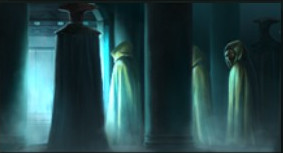 The main species has the Necrophage trait that makes them long lived and more apt to ruler and specialist jobs, at the cost of an abysmal growth rate. In order to grow properly, this species converts other species of their empire to their own with a periodic ceremony or using a special purge type. The end result is an empire ruled by ancient, wise and semi-immortal beings who depend on lesser beings for their survival and growth.It's hard here not to draw certain parallels with the vampire trope, but they managed to nicely fit it in a sci-fi universe. If you like this idea, you'll probably enjoy this origin. This mechanic is flexible enough to fit many playstyles, however it heavily relies on your ability (and will) to manage the species balance in the population.
The duality of remembrance and sacrifice is here presented in two types of buildings available with the Memorialist and Death Cult civics, respectively. Remembrance buildings are one of the few sources of stability present in the game. Sacrifice buildings provide a set of edicts that allow sacrificing part of the population for empire-wide bonuses like unity, growth speed, happiness or even credits. An interesting aspect is that the Memorialist civic is also available to gestalt consciousness whilst Death Cult has a variant for MegaCorps, so you'll be able to select them in most empires.
The new Reanimators civic lets you reanimate enemy dead armies to fight on your side and "hire" undead armies in place of regular soldiers. On the first look these armies are quite good, having high damage, low cost and are not limited to the population size. However, some of their best features, like morale immunity, are also present in the robotic assault armies, which are easily available in mid-game. It's also worth noting that the current ground combat gameplay is quite shallow, so it may be hard to justify dedicating a civic point to it. Still, crushing your enemies with hordes of relentless undead armies certainly has its appeal and it may also be a good choice for spiritualistic empires that don't rely much on robots. Talking about the "cool" factor, with this civic you'll also be able to resurrect and control some leviathans. I'll let that sink in.
This is overall one of the species packs with more content added to the game, and if you like the dark-themed cosmetics, want to try a "vampires" playthrough or are interested in the new death-oriented civics, you'd be hardly disappointed.
Lithoids
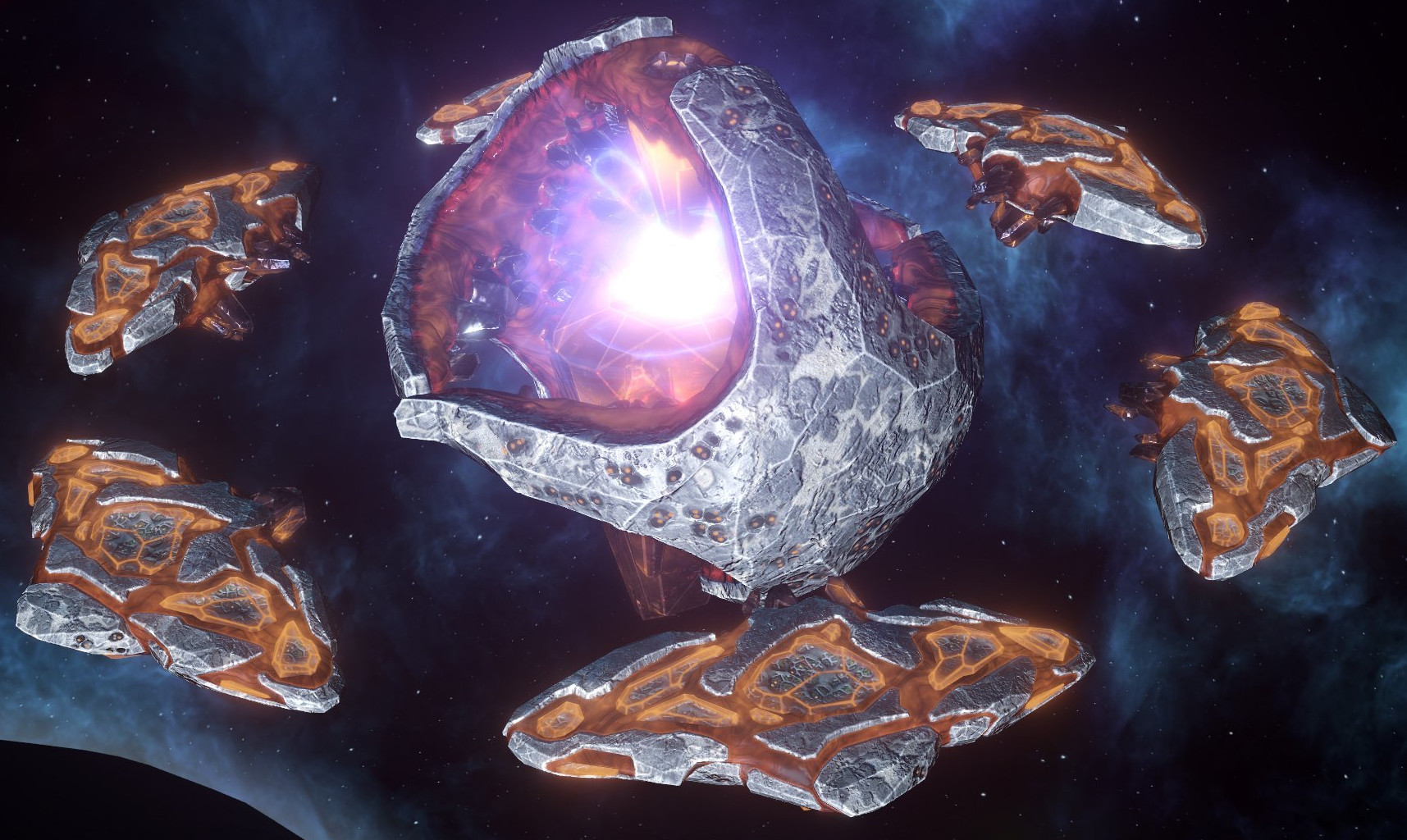 Lithoids is a species pack that contains a series of portraits inspired on mineral-based lifeforms. These portraits don't have just a cosmetic effect, since selecting one of those will make your species have the lithoid trait. This changes the mechanics of your species significantly, since your population don't eat food, consuming minerals instead. Your species is also more adaptable and provides stronger armies, but it is also slower to reproduce. A lithoid species has also access to exclusive traits that make each individual produce a small amount of a rare resource. The idea is nice, although the execution is a bit hit and miss. At this moment there are still some bugs regarding interactions with this special mechanics.
  This expansion also gives access to a custom optional Origin for lithoids, which allows colonise other planets smashing a giant meteorite, full of lithoid population, on their surface. This is a cheap and fast way to colonise other planets, giving a boost to your population growth and allowing you to "excavate" some extra pop from the crater. This is especially useful with the pop rework of the patch 3.0. However, keep in mind that those planets will be permanently damaged and their habitability lowered accordingly. Hive minded lithoid empires (if you have Utopia) can also choose the Terravore civic. It plays similarly as the Devouring Swarm, however in this case your empire aims to consume the very planets of the galaxy. With this civic, chunks of the planets can be literally eaten away gaining a lot of minerals and alloys. A thematically fit advisor voice pack is also included. The quality of the ship models present in this pack is also something that is worth a special mention, making them some of the best looking ships in the game. The colour of their particles effect and details matches the primary colour of your flag, which is indubitably a nice touch. Considering the content and the new traits and mechanics, this is probably one of the most unique species packs in the game.
Humanoids
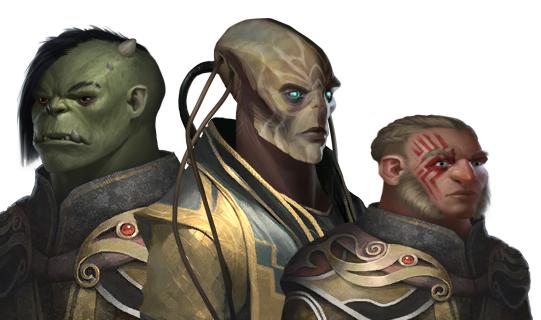 Humanoids is a Species Pack that perhaps draws inspiration more from the fantasy trope rather than the sci-fi one. You can find portraits resembling dwarves, cyclops or orks, along with more original ideas. In contrast with the other Species Packs, only 10 portraits are included with this expansion, joining the five humanoid portraits already present in the base game,
The gameplay additions reflect the main theme and are not bound to a specific portrait series. The Masterful Crafters Civic increases the building slots and replaces the Artisan jobs with the more skilled Artificer positions, particularly tuned with the dwarves trope. Artificers generate more consumer goods as well as extra trade values and even engineering research points, for the same cost. Pleasure Seekers Civic would resonates well with some recurring Elves/Elders/Aldari lore but, strangely enough, no recognisable elf portrait is present in this DLC, whilst one is present in the base game. Living in a culture that glorifies pleasure and entertainment, empires that follow this civic enjoy a greater growing speed and a better use of servants. Their high class citizens can live in a Decadent Lifestyle that promotes happiness at a significant increase of consumer goods. Equivalent civics are present for Megacorps, should you also own the relative DLC. On a similar note, the new Pompous Purists civic is ideal for empires that are convinced on their own superiority. Empires with this civics feel too entitled to engage in diplomacy unless they are the ones initiating the negotiations. On the other hand, they receive a bonus in diplomacy and more envoys. This point is particularly interesting in combination with the Nemesis DLC, where more envoys can translate in a wider spy network.
With the Clone Army origin your species has been designed by a now extinct race with the sole purpose of fighting in a war. Infertile, short-lived and with a genetic predisposition to loyalty and combat, the population of your newborn empire have to find its new place in the universe. Luckily, ancient cloning vats and the schematics to build more of them have been recovered, but only a few cloning vats can be built in the empire and each one is precious. This origin also include an event chain with interesting and substantial impacts in your clone army empire.
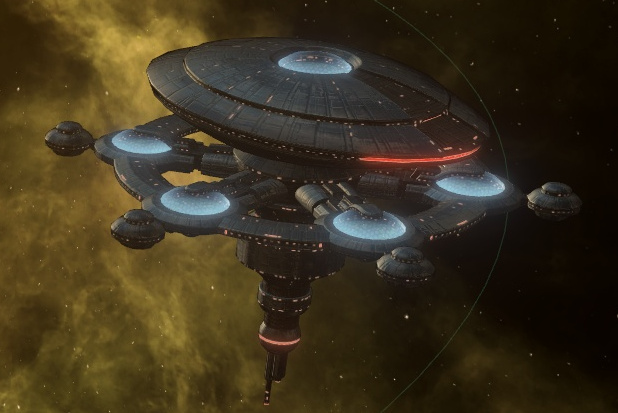 The ships and starbase models are very detailed, but not as distinct and recognisable as the ones in other species packs. As an extra cosmetic addition, this expansion also adds three voices for the advisor (Soldier, Diplomat, and Technocrat) and some extra music in the form of three in-game tracks. Additionally, humanoids are the sole phenotype to have distinct diplomatic greetings for male and female leaders.
The gameplay additions are thematically interesting and the offer in the audio department is pretty solid. This is unfortunately not matched by a similar quality in the graphic content, which is relevant for a species pack. Considering that five humanoids portraits are already included in the base game, this content is not as refreshing as other similar expansions. It is also worth mentioning that the set of custom clothes and somatic features is very limited, so leaders and population tend to look much alike. That said, the new civics and origin can spring interesting playthroughs and if you ever wanted to play an empire of space orks, here's your chance.
Plantoids
Plantoids includes species portraits for plant-based lifeforms, thematic ships and some gameplay additions.
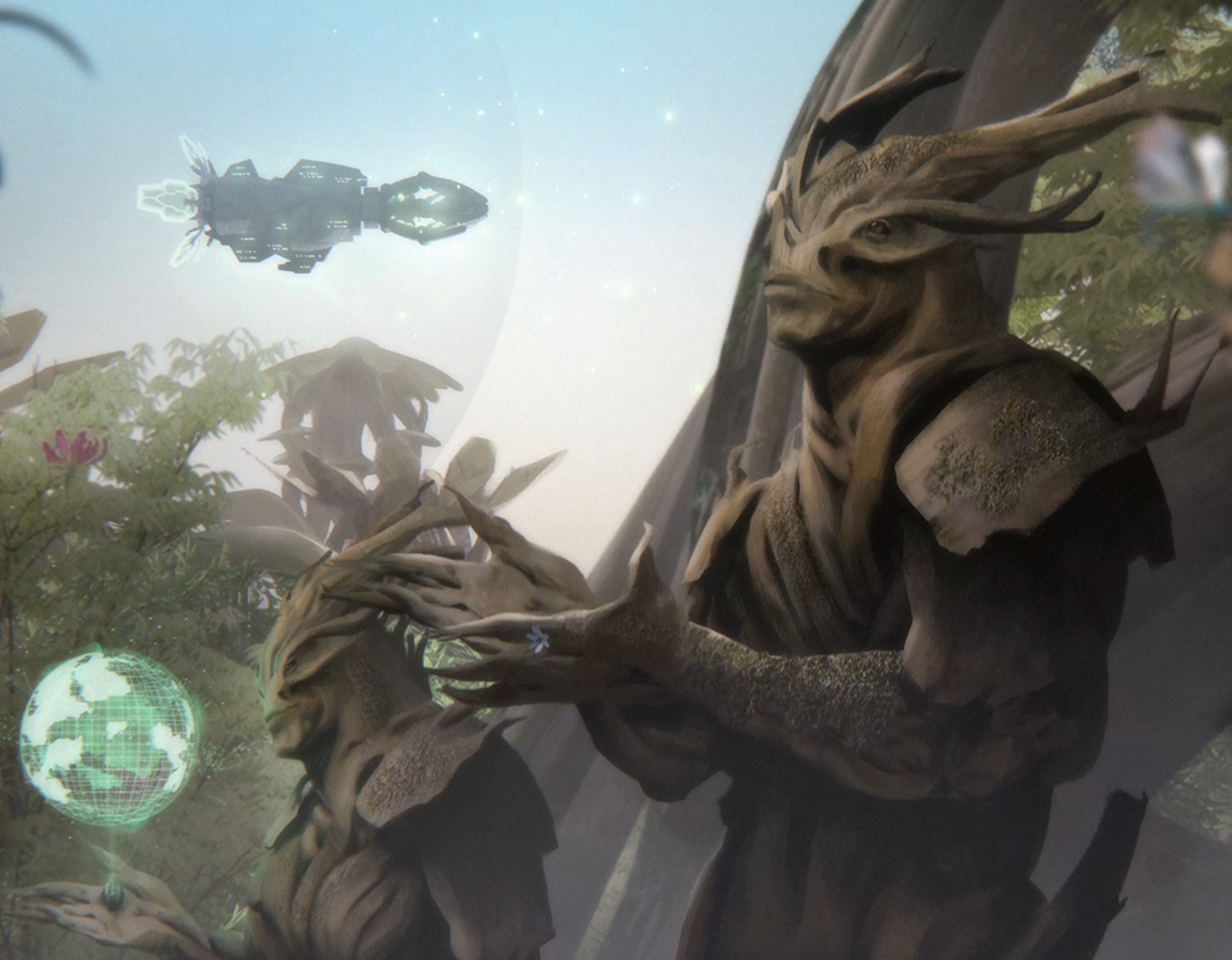 The Phototrophic racial trait replaces half of population food consumption with energy. Species with the Radiotrophic trait partially sustain themselves with low-energy radiation. In practical terms, the effect is the same as the Phototrophic trait, albeit coming at a higher cost, with the addition of a higher adaptability and less consumption for your population that inhabit Tomb Worlds. This is particularly interesting if paired with the Post-Apocalyptic origin present in the Apocalypse DLC. Budding is another species trait added with this DLC and increases your population growing speed.
A new interesting origin is the Fruitful Partnership, which allows to colonize distant planets using the Tiyanki (space whales) to carry the species' seeds. A special structure must be built on a space station to lure the space fauna which will then proceed to disperse the seed on alien planets. If the planet is uninhabited, then a special project will make the seeds sprout, colonizing it. If the seeds land on an already inhabited planet, their citizens will enjoy a new, exotic variety of nutrient vegetation. This boon last until the plantoid species decides to invade the planet, revealing the real nature of the dormant soldiers and making short work of the planetary defences. Seed Bombing is a new stance that creates an explosion of vegetation growth, damaging the planet leaving intact the population. Should you end up capturing the planet, you can turn this extra vegetation into much needed extra population of your species. With this origin it is guaranteed that a group of Tiyanki will always be present in a nearby system, making the experience more consistent.
The Phototrophic racial trait replaces half of population food consumption with energy. Species with the Radiotrophic trait partially sustain themselves with low-energy radiation. In practical terms, the effect is the same as the Phototrophic trait, albeit coming at a higher cost, with the addition of a higher adaptability and less consumption for your population that inhabit Tomb Worlds. This is particularly interesting if paired with the Post-Apocalyptic origin present in the Apocalypse DLC. Budding is another species trait added with this DLC and increases your population growing speed.
A new interesting origin is the Fruitful Partnership, which allows to colonize distant planets using the Tiyanki (space whales) to carry the species' seeds. A special structure must be built on a space station to lure the space fauna which will then proceed to disperse the seed on alien planets. If the planet is uninhabited, then a special project will make the seeds sprout, colonizing it. If the seeds land on an already inhabited planet, their citizens will enjoy a new, exotic variety of nutrient vegetation. This boon last until the plantoid species decides to invade the planet, revealing the real nature of the dormant soldiers and making short work of the planetary defences. Seed Bombing is a new stance that creates an explosion of vegetation growth, damaging the planet leaving intact the population. Should you end up capturing the planet, you can turn this extra vegetation into much needed extra population of your species. With this origin it is guaranteed that a group of Tiyanki will always be present in a nearby system, making the experience more consistent.
It is worth noting that these new traits, as well as the new origin, are exclusive of species with the Plantoid and Fungoid portraits, the latter included with the base game. Another addition bound to those phenotypes of portraits is the Idyllic Bloom civic. Species with this civic have historically evolved with a strong bond with their environment. This gives them access to the Gaia Seeder building, which increases habitability, growth speed and, at the last phase, can turn the planet into a Gaia world. A new civic not bound to any specific portrait is the Catalytic Processing that allows the conversion of food into alloy and strategic resources. This is particularly useful towards mid-late game where the need for those resources generally exceeds the need for food.
 Despite Plantoids being one of the earliest DLC introduced, the quality of the portrait is very high. The variety of different portraits nicely fits the whole spectrum of empire ethos and game styles, from pacifist tree-like species to aggressive carnivorous plants. Some of them are particularly suited for certain origins, like Tree of Life. It's a shame that such visual variety is not matched with an equal sound variety, considering that every Plantoids portrait share the same diplomatic sound. A separate mention goes to the beautiful ships and stations design, making them very recognisable and pretty unique.
Overall this small expansion nails the "plant" theme, providing a variety of interesting civics and traits, along with very unique portraits and ship models. If you like the idea of playing with a plant-like species, and you would like to experiment with hybrid forms of population upkeep or another route to terraform planets in Gaia worlds, you will be hardly disappointed.
Toxoids
I'm gonna review this DLC once I've acquired and tested it.
== Conclusions ==
 With the growing number of DLCs present in Stellaris I hope this guide will provide a better insight on what kind of experience you should expect on each one of those.
Stellaris launched in 2016 as a game with huge potential but quite rough around the edges. Since then, the gameplay and mechanics have been reworked and expanded several times, and each free update that came along with each DLC was one important milestone in its development. With Apocalypse came a complete overhaul of the war mechanic, whilst MegaCorp brought us an economy and planet rework. Federations reworked and expanded the diplomacy, arguably one of the last weak spots of the game. Now the base game stands on solid foundation and the DLCs avaliable only improve and expand the experience.
I hope you have found this guide helpful. I will do my best to update it when new expansions will come out.
- 3.8 Guide to Traits, Ethics, Origins, Civics, Traditions and APs [ UPDATE HIATUS ]★ 5 (1.8k)82k views4.3k ♥147 minUpdated Jan 9, 2024
- Beginner's guide to Stellaris★ 5 (784)69k views1.7k ♥49 minUpdated Mar 29, 2018
- Combat and Ship Design: A Comprensive Guide★ 5 (1.3k)63k views2.8k ♥37 minUpdated Feb 16, 2021
- 奇观拓展巨构介绍★ 5 (752)53k views144 ♥1 minSimplified ChineseUpdated Feb 19, 2024
- Stellaris:Читы/Консольные команды/Редактирование сохранений★ 5 (642)51k views1.5k ♥15 minRussianUpdated Jan 1, 2025
- How to enable Achievements with ANY mod★ 5 (325)27k views725 ♥5 minUpdated Feb 20



- Upgrading to PremiumTeam Fortress 2★ 5 (20k)1441k views11k ♥6 minUpdated May 11, 2022
- No More Room in Hell Official ManualNo More Room in Hell★ 5 (2.8k)569k views2.1k ♥29 minUpdated Apr 22, 2019
- NMRiH Community Hosting GuidesNo More Room in Hell★ 5 (526)351k views653 ♥1 minUpdated Aug 10, 2022
- Лучшие кооперативные игры SteamPAYDAY 2★ 5 (1.5k)315k views2.1k ♥56 minRussianUpdated Apr 27, 2025
- Desert Eagle Heat Treated | Blue GemCounter-Strike 2★ 5 (1.6k)292k views1.5k ♥2 minUpdated Jan 16
- Treasure Hunt Puzzle SolutionsTotal War: WARHAMMER II★ 5 (6.9k)281k views15k ♥3 minUpdated Aug 19, 2021



This guide was created by its original author on the Steam Community. Are you the author and want it removed? Request removal.