Grid-Fitting Fully-Automatic Sleet Wheat Farm
Introduction & Goals
That being said, here were my goals when building this design:
- The design must be fully automatic. Everything must be accomplished without any Duplicant labor at any part of the process.
- It must be able to fit completely within a number of vertical 18x4 grid floors. Minimize wasted space.
- It must be able to accept hot input materials. For this reason I tested all of my designs with 100° C water and dirt.
And here's what I came up with:
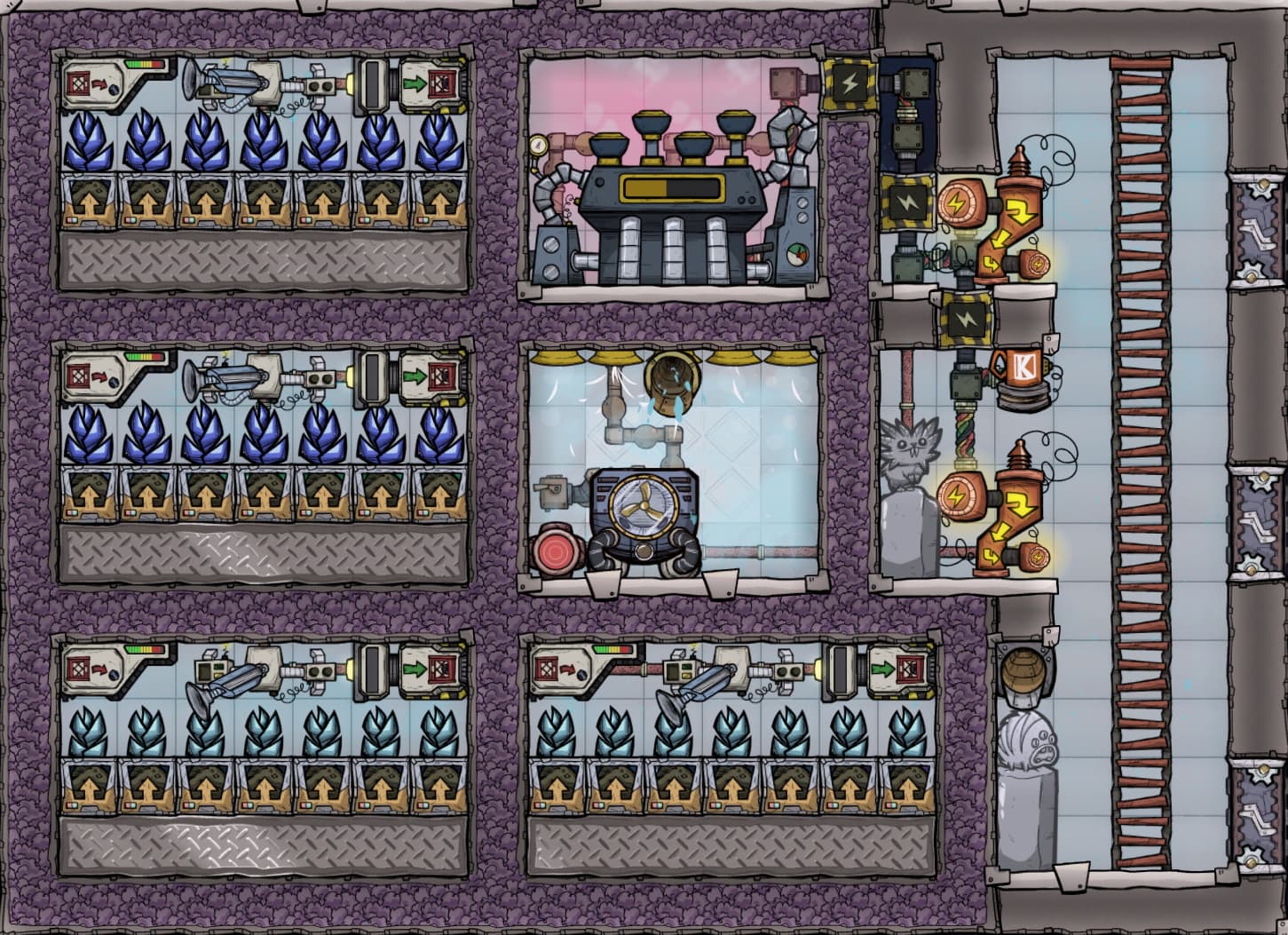
Requirements & Output
- 6320kg Copper/Gold
- 1200kg Steel
- Plenty of Igneous Rock for Insulated Tile
- Other raw materials
And these are the costs to run it:
- 140kg/cycle (233.3g/s) of Dirt (equivalent to 7 Pips)
- 560kg/cycle (933.3g/s) of Water
- An average of 450W of power
- Note: This value comes from an Aquatuner uptime of 70% and a constant 390W production by the Steam Turbine. While these are the values that I found from my testing, they will vary substantially based on the input temperature of the materials. Because higher temperatures mean higher power draw, expect this value to be significantly lower in most real-world use.
For those input materials, this farm will output an average of 22.9 Grains/cycle. If converted directly into Frost Buns, that's an average output of 9160kcal/cycle (though of course there are other useful foods with Grains as an ingredient).
Explanation of the Design
This section is compromised entirely of me talking for far too long about heat math and related concepts. There's nothing here you need to know to effectively use this design; feel free to skip it entirely.
Because I knew from the start that I wanted the design to be resilient to high-temperature inputs, over the course of the design I did some heat calculations to determine the constraints of the design. This section exists solely to talk about that math and make myself feel like I didn't completely waste my time.
Note: A lot of the information used here has been taken from the ONI Wiki[oxygennotincluded.wiki.gg]. It's a very useful resource, thank you to all who have worked on it!
Removed Energy = 4.179 * 10,000g * 14° C = 585 060 DTUs
(If you're new to ONI Thermodynamics and interested in learning, I'd highly recommend you run these calculations yourself and then compare our results. It's a good way to learn - I'm happy to help if you get stuck or confused along the way.)
That means we have a firm limit of adding 585.06 kDTUs to the farm areas per second. If we try to add more, the system is guaranteed to eventually overheat.
(Note: This math changes depending on what material you use. Try it yourself! Just change the "4.179" in the equation to the SHC of whatever liquid you try. You'll notice that some materials work significantly better as a coolant than others, which brings up one other super option - Super Coolant! As you might imagine, using Super Coolant within the Aquatuner has the potential to drastically change this design. I chose not to because I wanted to avoid Space Age materials, but I'll discuss how you could do that a little further on.)
Each Module contains 7 plants, in sum requiring 58.33g of Dirt per second and 233.33g of Water per second. Let's assume that our inputs are 100° C, and that over their lifetime in the Module they will be cooled 105° to -5° C. In reality this isn't a perfectly accurate assumption, but it's always best to guess high and overcompensate rather than guess low and be met with an unexpected catastrophic failure.
Now we can calculate how many DTUs are being added to the system per second, per module:
Added Energy = (4.179 * 233.33g * 105° C) + (1.480 [SHC of Dirt] * 58.33g * 105° C) = 111 450.5 DTUs
From our calculation we can see that every second, we are adding approximately 111.45 kDTUs to a Module.
# of Modules = 585.06 kDTUs / 111.45 kDTUs = 5.25 Modules
Well, we can't exactly build a quarter of a module, so we'll round that off to a nice 5 Modules - the perfect number for our design!
⠀Wait, why does it only have 4?
Well, that adds its own problems. The Steam Turbine isn't 100% efficient. Steam Turbines work by taking in Steam and then outputting 95° C Water, effectively removing the energy difference between the Steam input and the Water output. But it doesn't do so perfectly - 1/10th of the energy removed from the Steam, plus 4 kDTUs, is added to the Turbine itself each second. We have to accommodate for this heat in our design, or our Turbine will rapidly overheat and stop cooling entirely.
Fortunately, accounting for this isn't too challenging. Because the maximum amount of energy entering the steam chamber is a constant, we can simply lower our maximum heat allowance to take into account the amount of energy entering back into our coolant from the Steam Turbine. This still adds up to the same value, but it changes where the heat comes from to include Turbine inefficiency.
Truly Removed Energy = 585.06 kDTUs - ((585.06 kDTUs / 10) + 4) = 522 554 DTUs
So, once all is taken into account, we can safely pump 522.56 kDTUs of energy into the farm per second. Going back to our Modules calculation, how many does that supoort?
True # of Modules = 522.56 kDTUs / 111.45 kDTUs = 4.69 Modules
Once again, we can't have a fraction of a Module, so round that off to a clean 4 Modules. And with a good chunk of leeway, too! With that in mind, we can calculate the average number of Sleet Wheat Grain we're outputting per cycle. We produce 18 Grains every 22 Cycles (+4 cycles because we wait instead of having Duplicants harvest) and we have 28 plants total, so:
(18 / 22) * 28 = 22.91 Grains/Cycle.
When cooked into Frost Buns, that's 9160kcal/Cycle. Not bad!
Personally, my belief is that those extra Grains aren't worth the hassle of getting enough of them to fill a farm. On top of that, the extra resource cost is significant enough that it makes more sense to spend the extra resources you would be inputting on another plant entirely. For the amount you're gaining by using Juicyfruit on 4 plants, you could spend those same resources on 1 standard plant and get more output. For that reason I do not recommend it ever, except for maybe the rare circumstance that you can't make another farm.
Removed Energy = 8.440 * 10,000g * 14° C = 1 181 600 DTUs
That's.. a lot of energy. So much that it wouldn't take long to destroy our Steel Aquatuner, so if you're inclined to do this you should definitely make it out of Thermium (and probably change the Steam Turbine setup, too). But if you did it, how many modules could you support?
Truly Removed Energy = 1181.6 kDTUs - ((1181.6 kDTUs / 10) + 4) = 1059.44 kDTUs
True # of Modules = 1059.44 kDTUs / 111.45 kDTUs = 9.51 Modules
A total of 9 Modules, for a combined 51.55 Grain per cycle. That's a lot, and I'm not sure why you would want that, but you could!
Construction
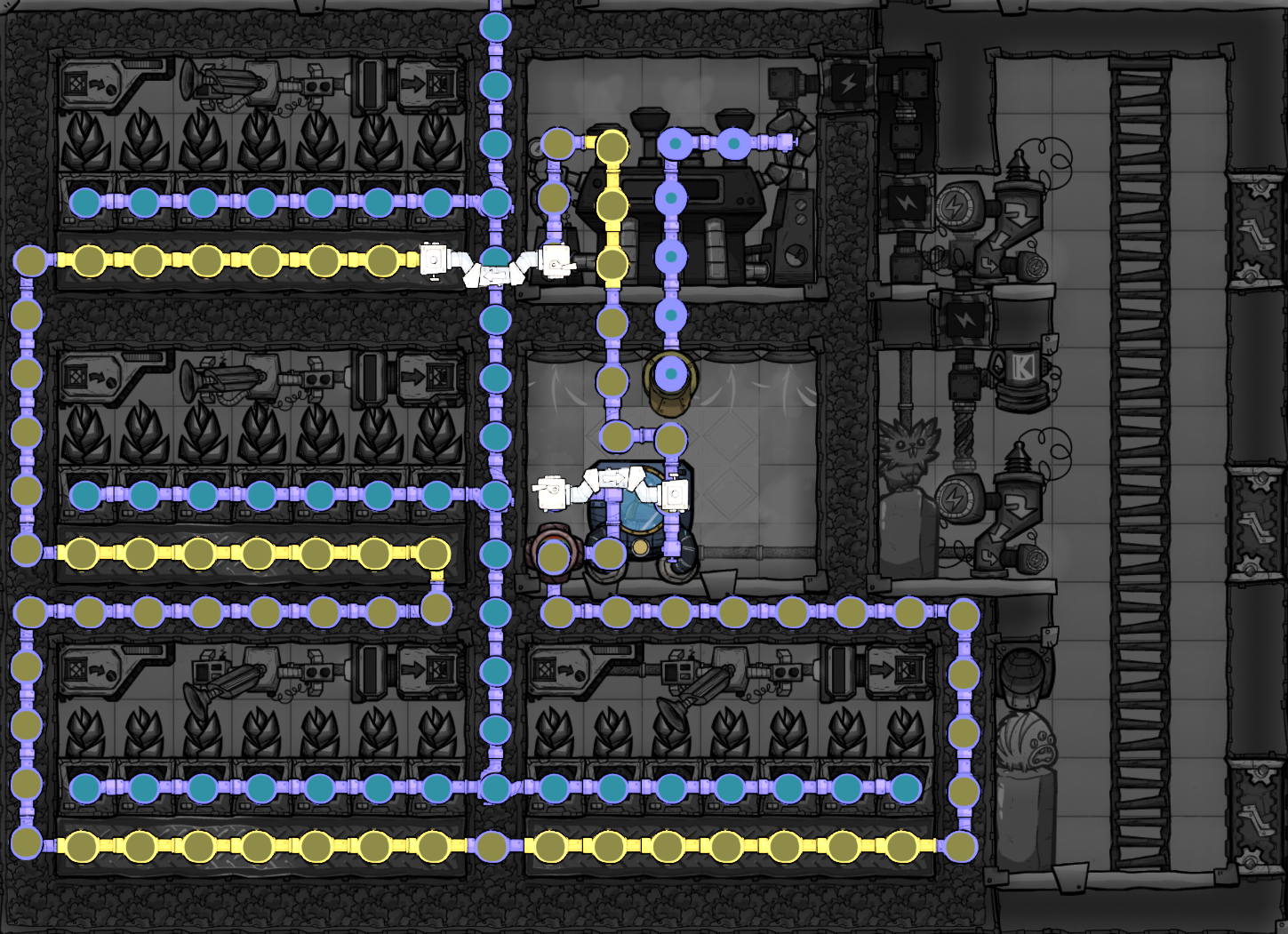
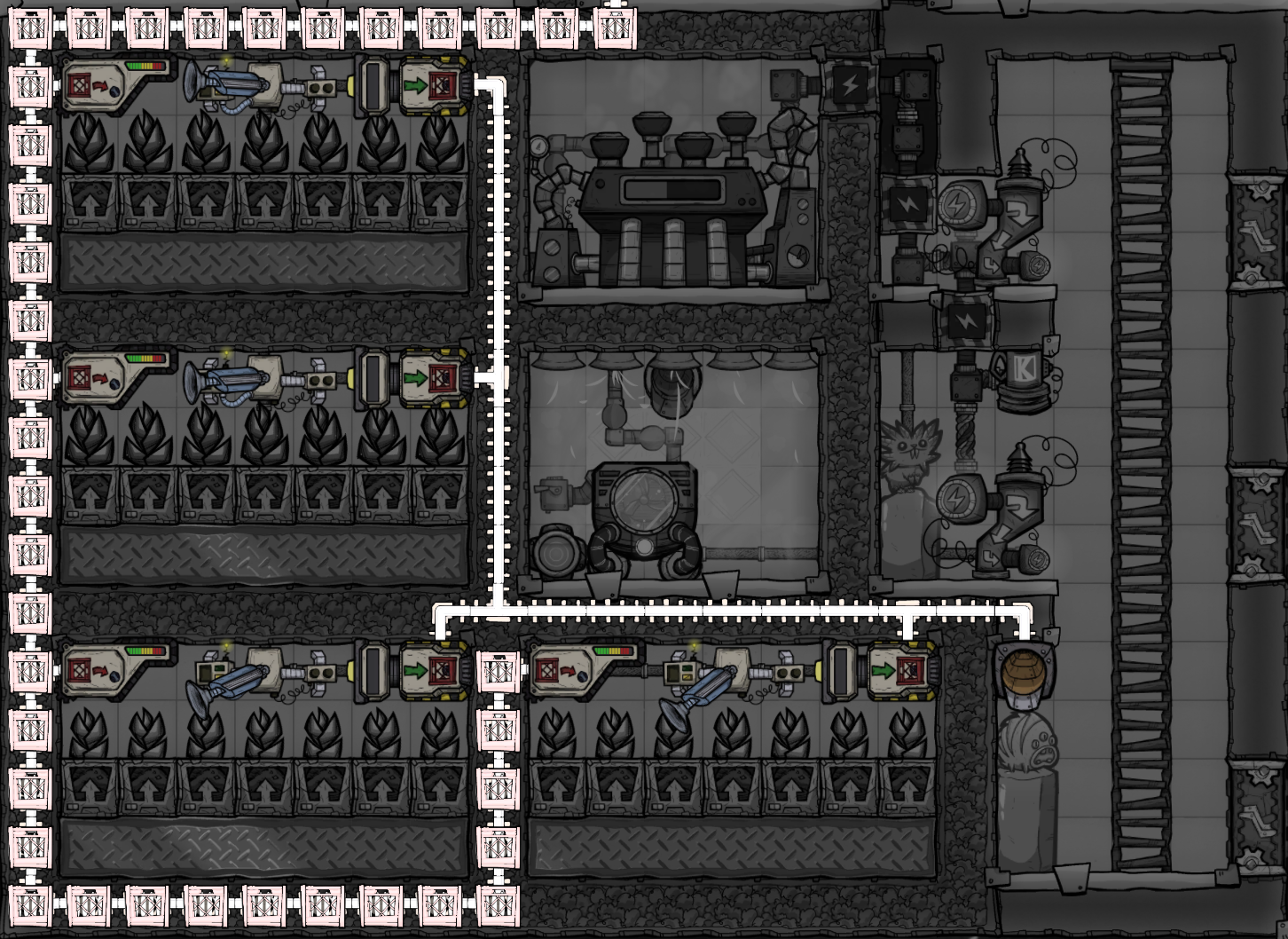 ⠀
⠀If that's all you need to build it, great! You're good to go. If you want a step-by-step walkthrough, though, I've got one for you:
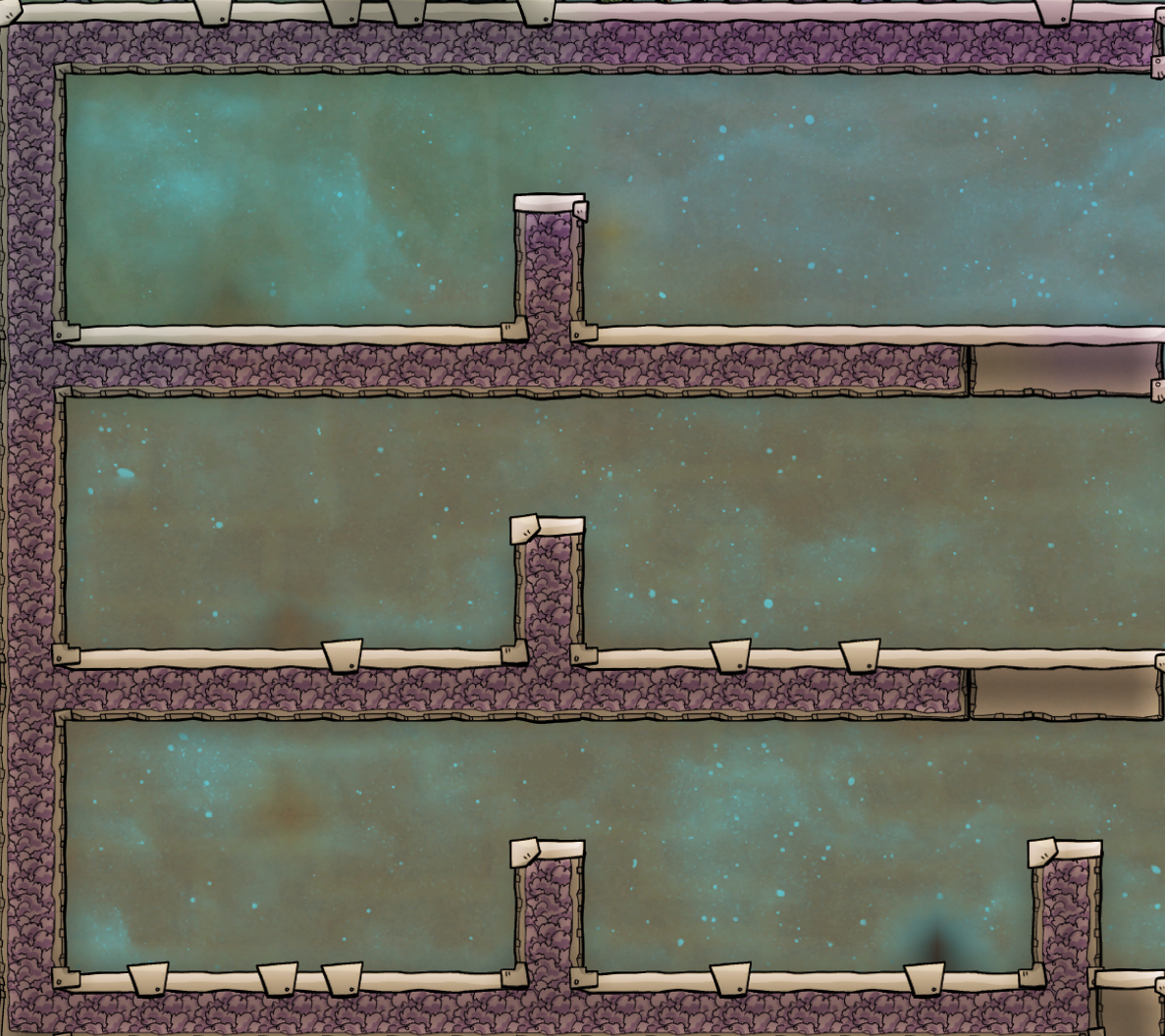
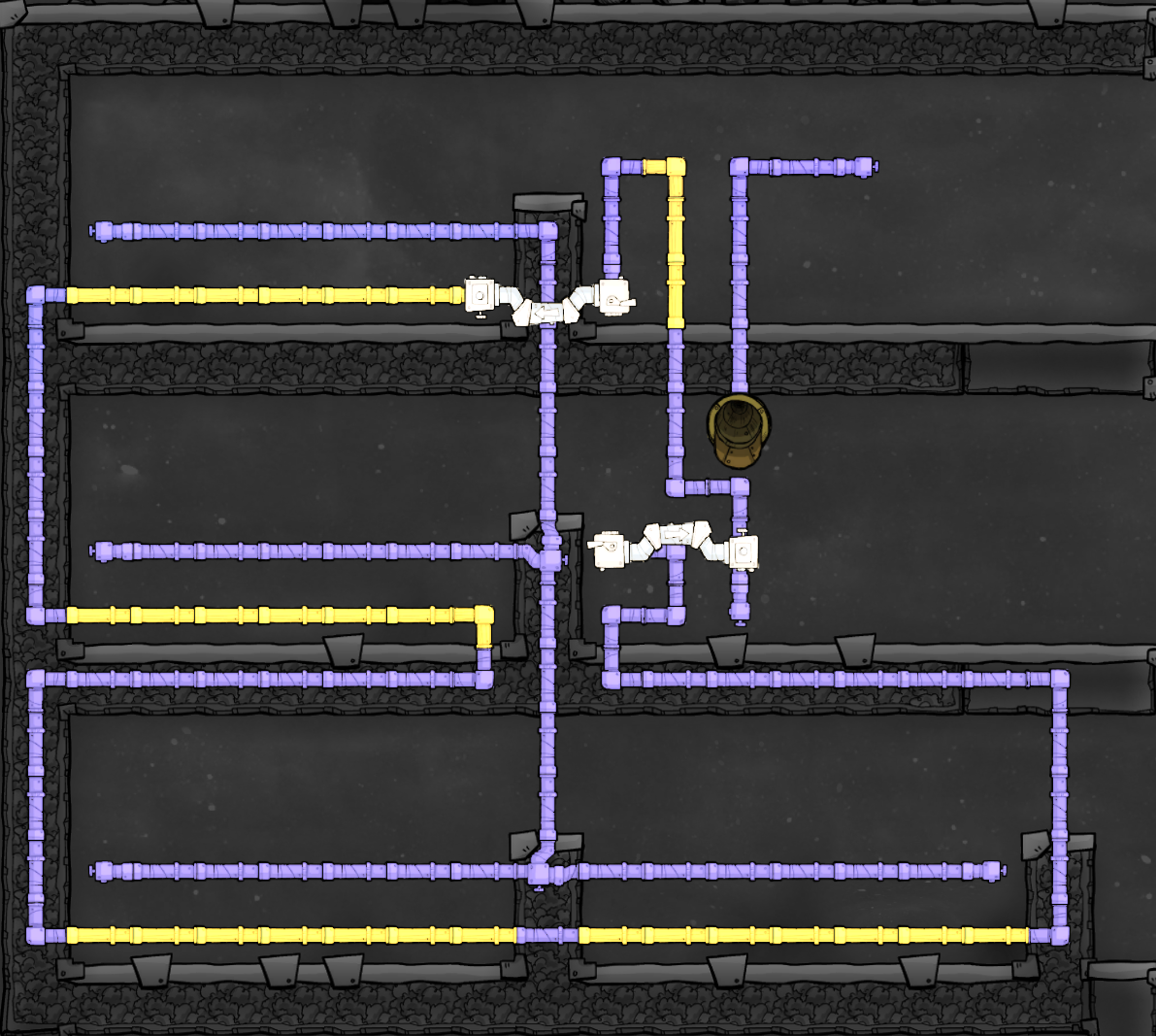 ⠀
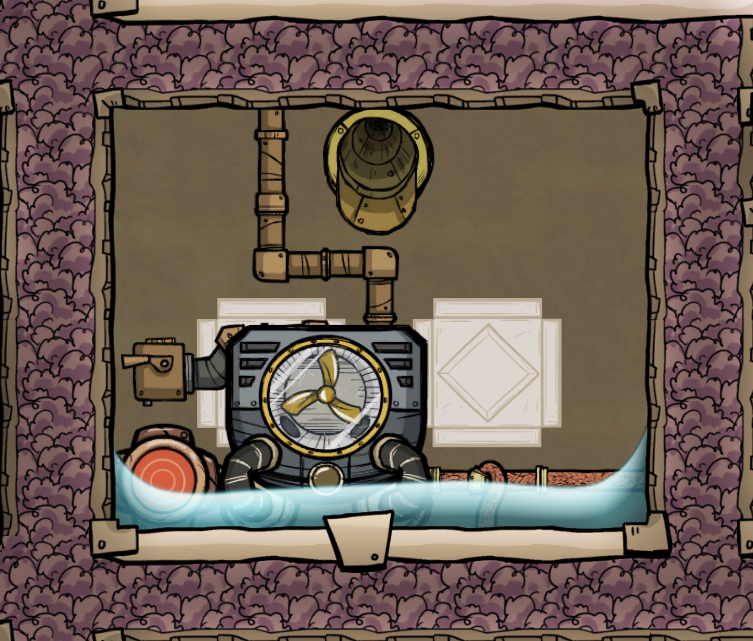
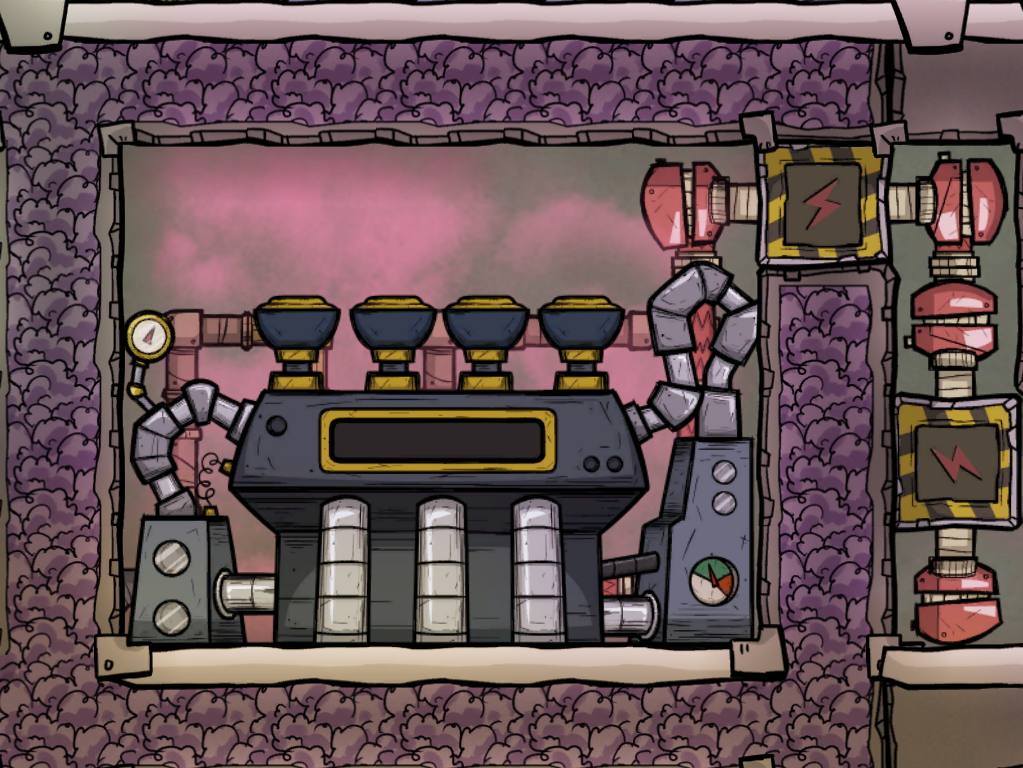
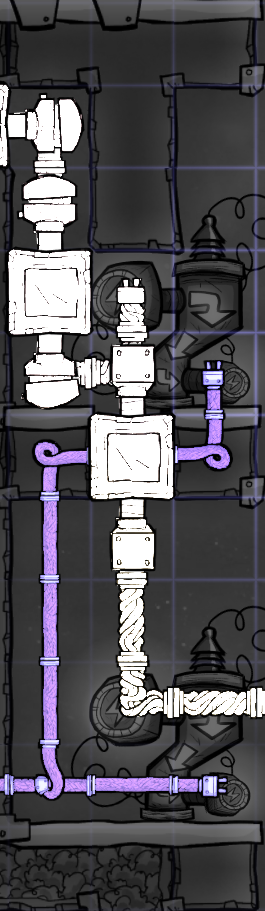
⠀Note about the Thermal Aquatuner: The design here can be mildly confusing if you've never seen it before. The goal is to allow the Polluted Water to pass through the system and continue flowing freely if it is too cold; so we set up the pipes in a way that if they do not go through the Aquatuner, they will instead flow through the Liquid Bridge and back onto the path.
⠀
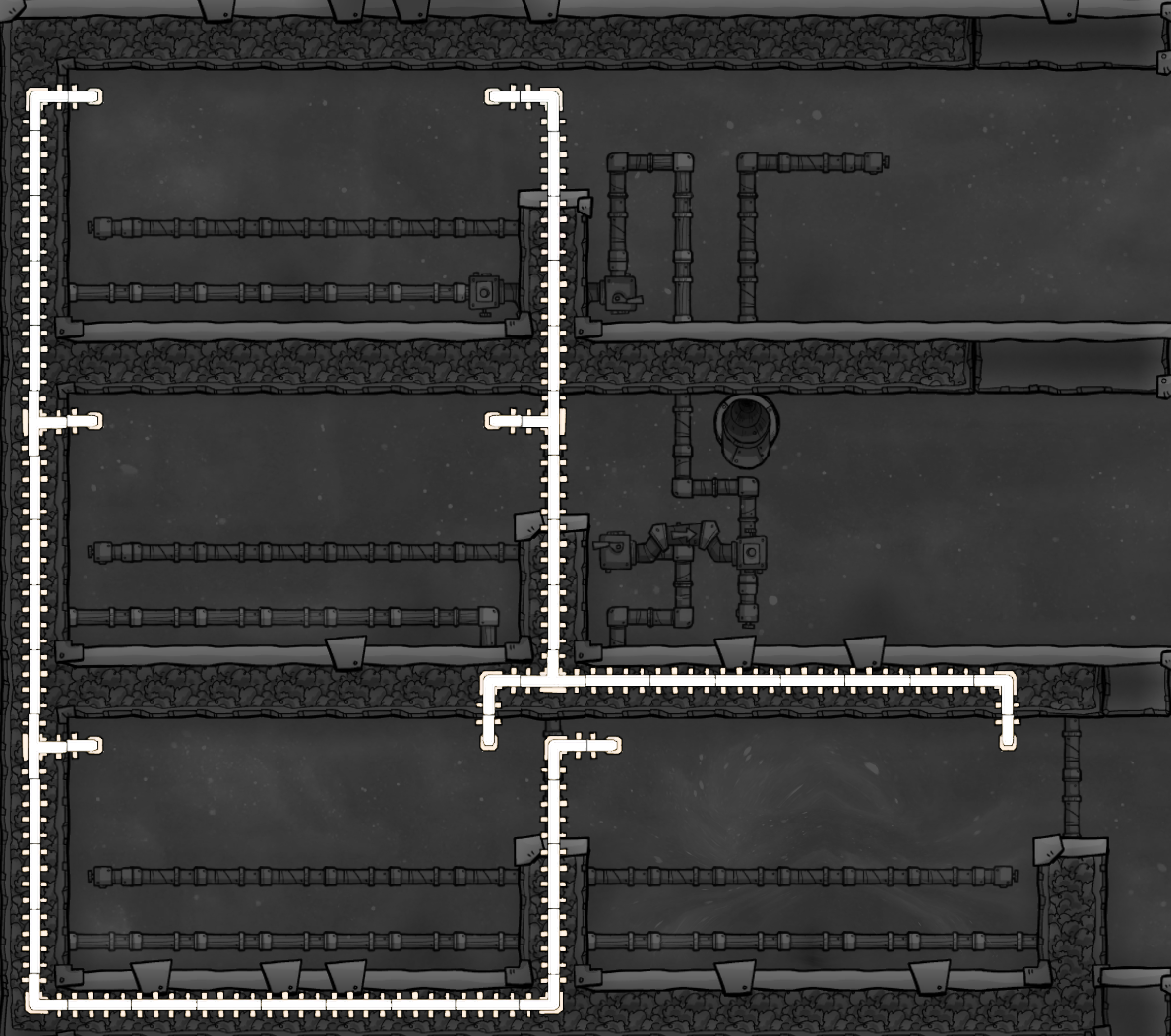
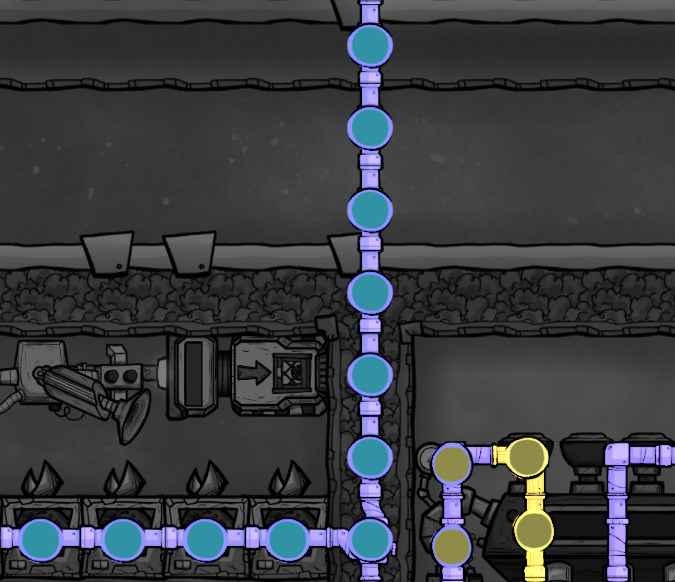
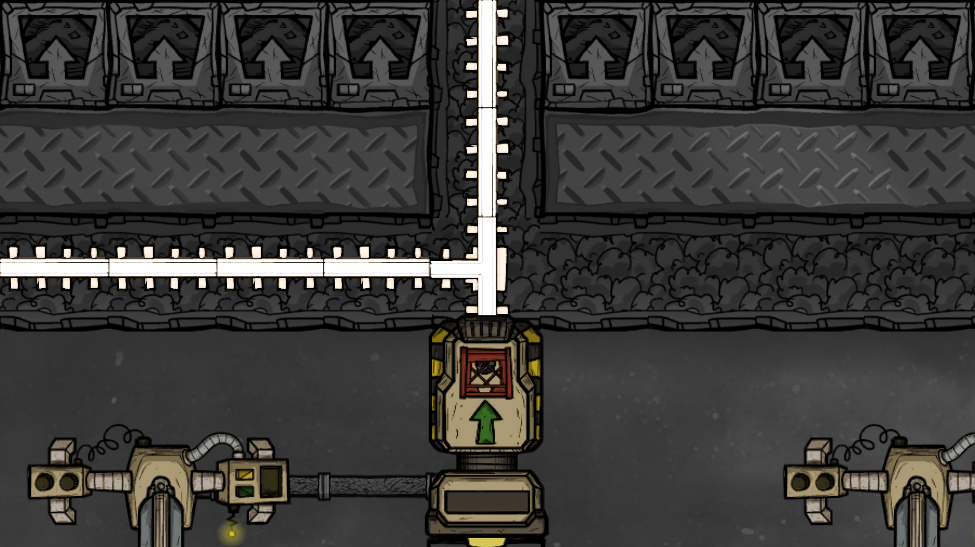
There are two separate Conveyor Rails here. The first is the Dirt supply; it links every Conveyor Receptacle together. The other is the Grain export; it links every Conveyor Loader together and brings the produce to wherever you want it to be. It's important that these two rails remain completely separate.
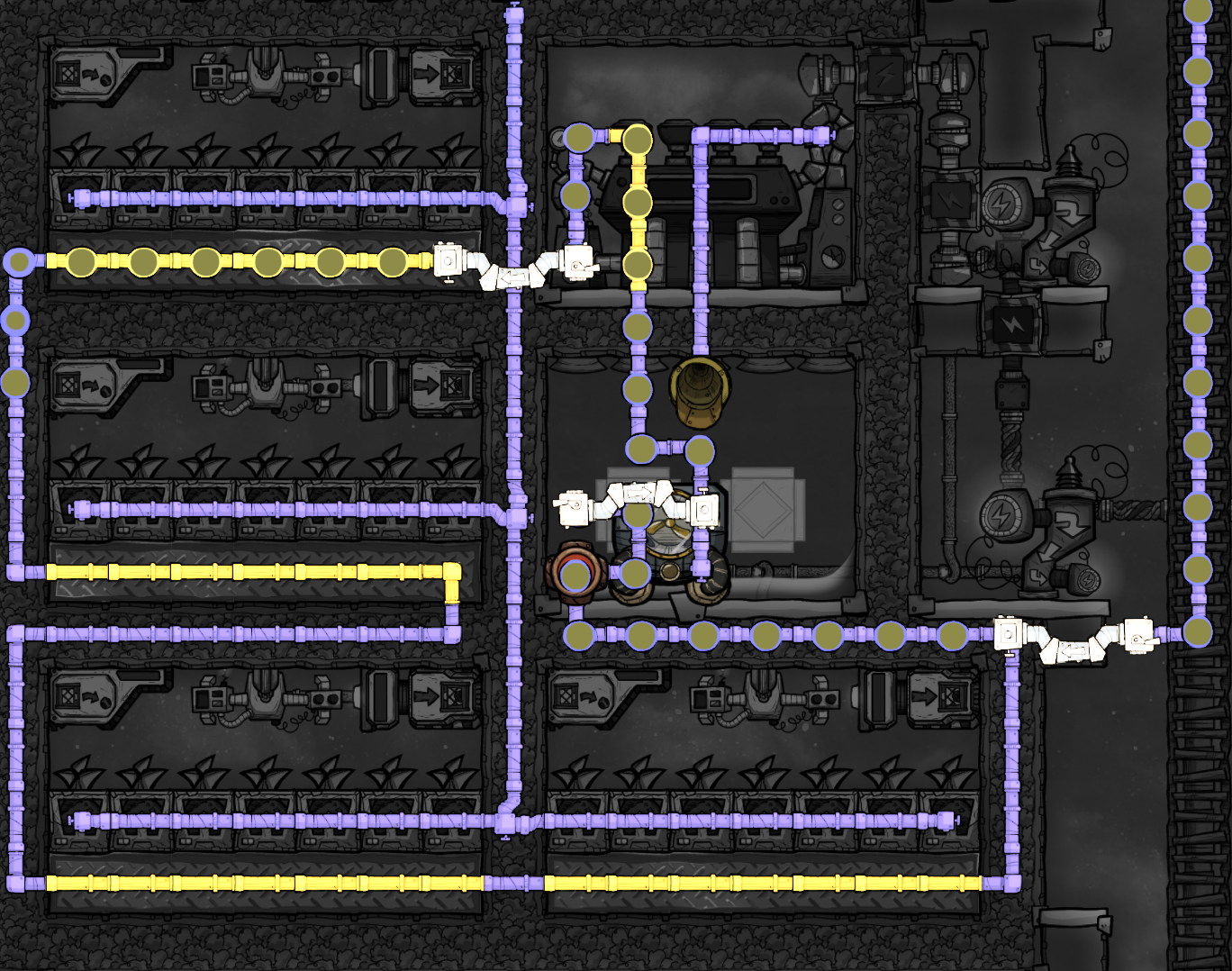
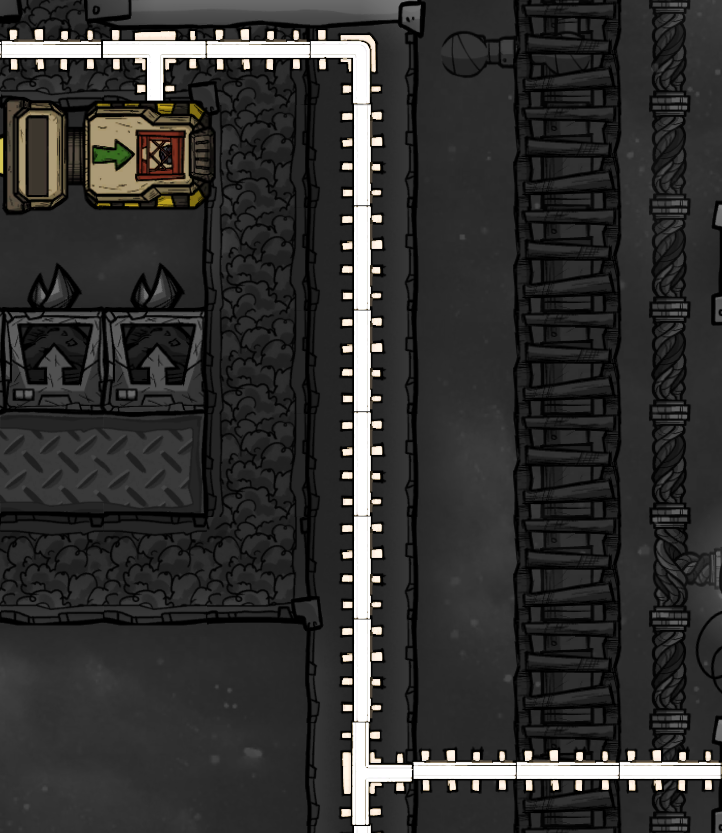
This is what the Wiring looks like:
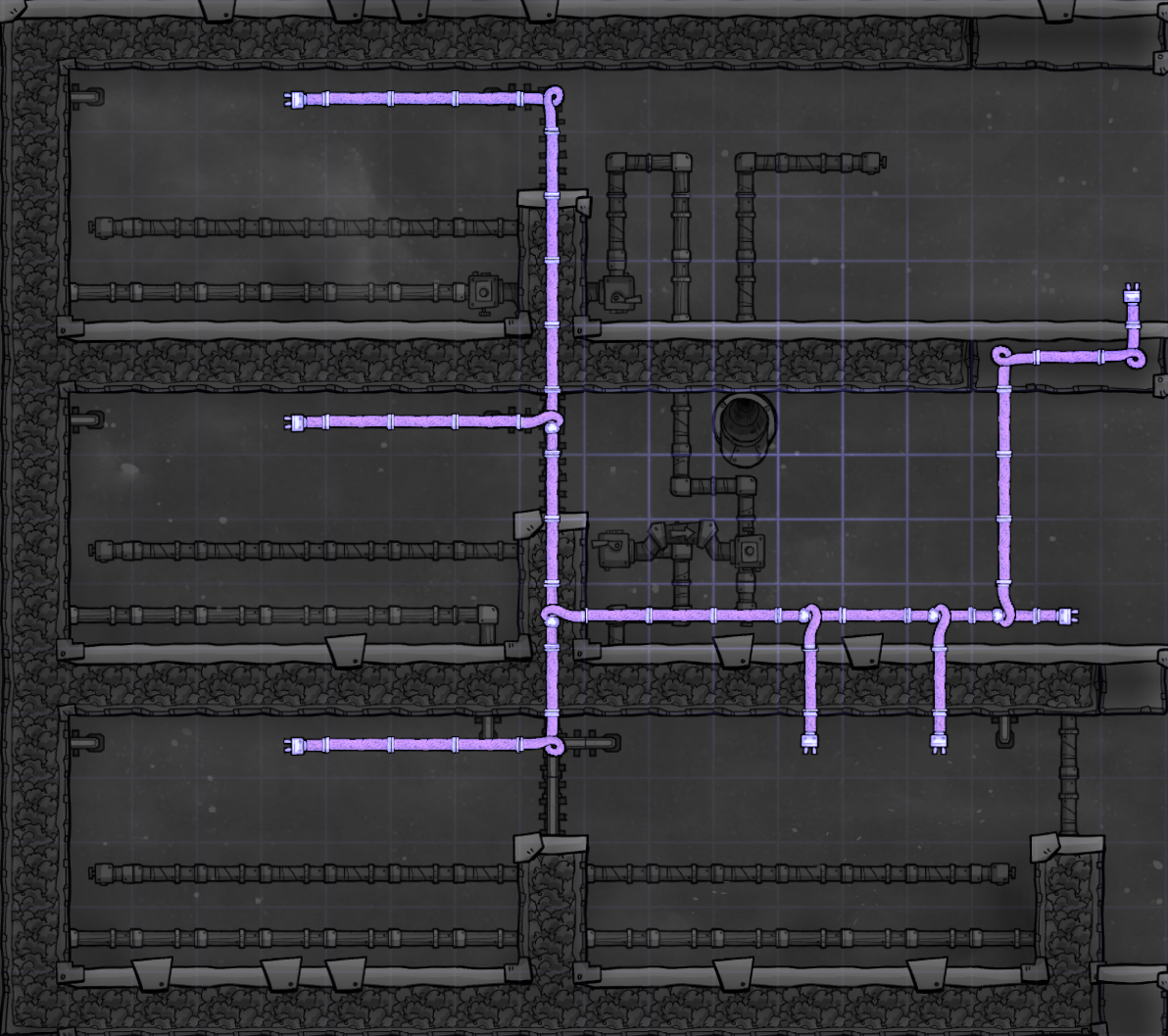
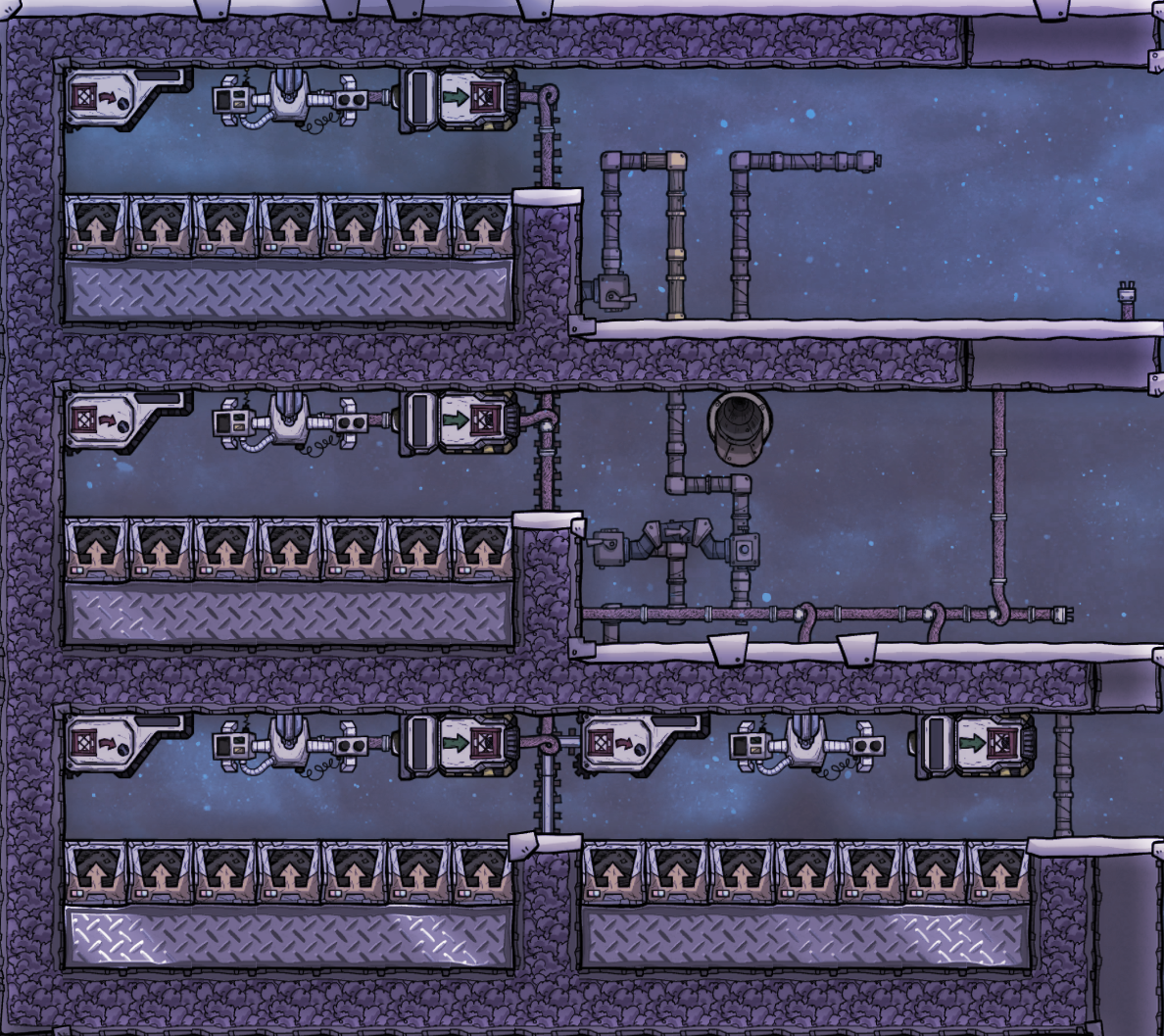
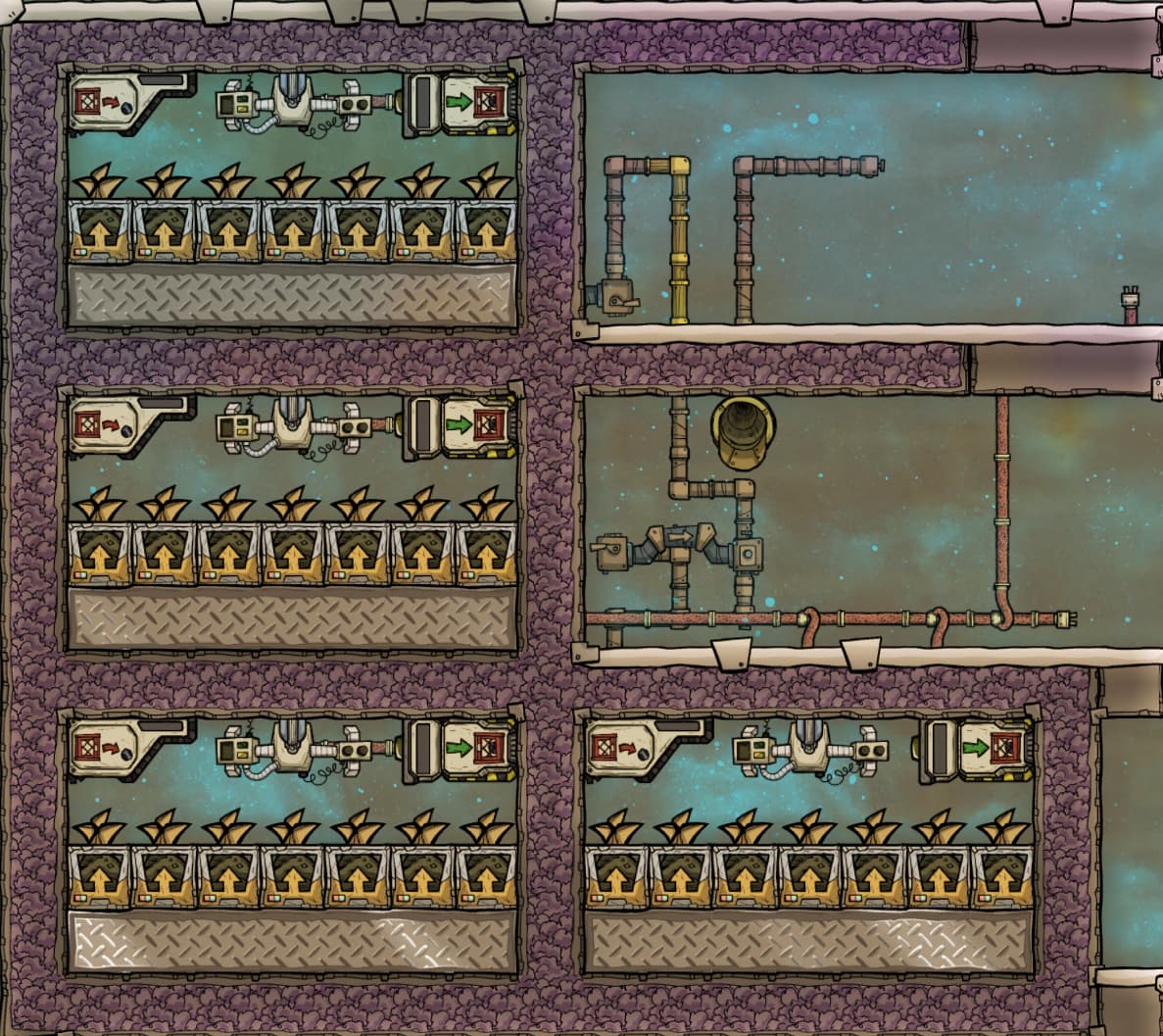
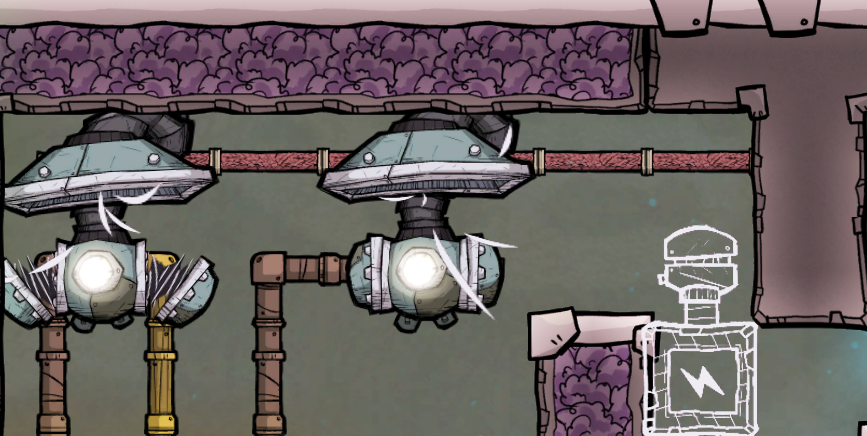 Note: The image shows Heavi-Watt Conductive Wire instead of regular. This is not a necessity; I just prefer to do this to future-proof the design.
Take this opportunity to construct your Thermal Aquatuner from Steel, and to add in the Liquid Pipe Thermo Sensor automation. Set the Liquid Pipe Thermo Sensor to "Above -5° C".
Note: The image shows Heavi-Watt Conductive Wire instead of regular. This is not a necessity; I just prefer to do this to future-proof the design.
Take this opportunity to construct your Thermal Aquatuner from Steel, and to add in the Liquid Pipe Thermo Sensor automation. Set the Liquid Pipe Thermo Sensor to "Above -5° C".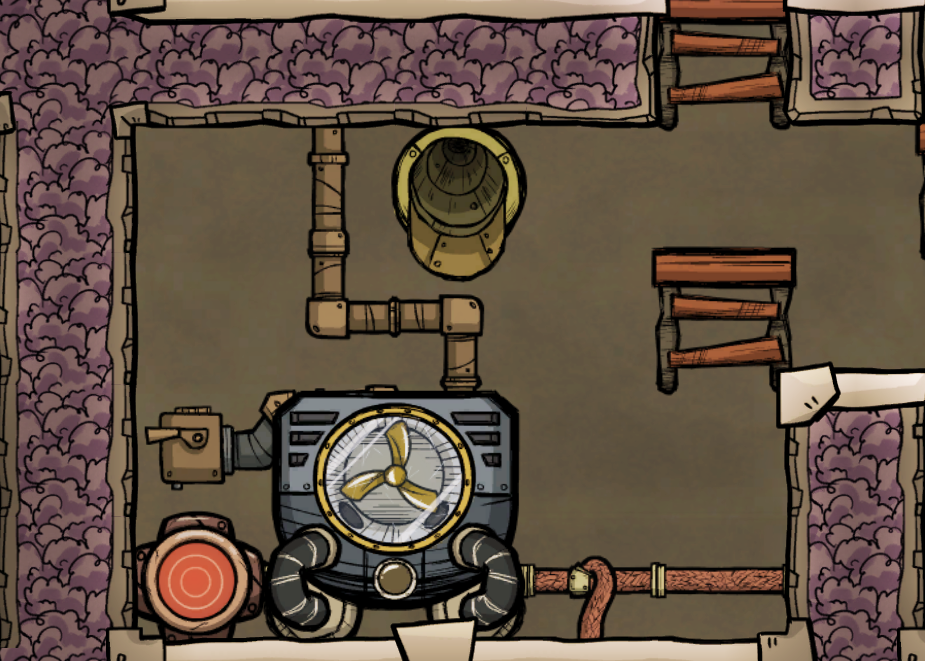
Summary
Thank you for reading :)
- ONI - Surviving the Early Game★ 5 (2.4k)83k views6.3k ♥54 minUpdated 6 Aug, 2019
- Useful Construction Patterns★ 5 (1.8k)74k views5.2k ♥66 minUpdated 29 Aug, 2020
- 10* things I wish I knew sooner...★ 5 (754)58k views1k ♥4 minUpdated 6 Oct, 2017
- ONI - Surviving the Mid-Game★ 5 (1.3k)44k views3.8k ♥150 minUpdated 6 Sep, 2019
- Not Quite Beginner's Guide★ 5 (361)32k views1.1k ♥91 minUpdated 26 Mar, 2023
- Руководство для начинающих. (ОСНОВЫ)★ 5 (629)32k views1.2k ♥21 minRussianUpdated 20 Apr, 2019




- Upgrading to PremiumTeam Fortress 2★ 5 (20k)1441k views11k ♥6 minUpdated May 11, 2022
- No More Room in Hell Official ManualNo More Room in Hell★ 5 (2.8k)569k views2.1k ♥29 minUpdated Apr 22, 2019
- NMRiH Community Hosting GuidesNo More Room in Hell★ 5 (526)351k views653 ♥1 minUpdated Aug 10, 2022
- How to 'Git Gud' Soon™MORDHAU★ 5 (2k)318k views3k ♥68 minUpdated Nov 16, 2024
- Лучшие кооперативные игры SteamPAYDAY 2★ 5 (1.5k)315k views2.1k ♥56 minRussianUpdated Apr 27, 2025
- Desert Eagle Heat Treated | Blue GemCounter-Strike 2★ 5 (1.6k)293k views1.5k ♥2 minUpdated Jan 16





This guide was created by its original author on the Steam Community. Are you the author and want it removed? Request removal.