How to create your own PMC (legally)
★ General Information
 The idea of starting your own private military company (PMC) might sound exciting — high-level security contracts, working with elite professionals, global travel. But the reality? It’s a lot more complex (and expensive) than just putting together a team of ex-soldiers and buying tactical gear. If you’re serious about it, here’s a breakdown of what you need to know — the real-world version.
★ Start with the Basics: Register Your Company
If you plan to operate across different states — or even overseas — you’ll need to register in those places too. Bureaucratic? Yes. Necessary? Absolutely.

★ Licenses Are a Big Deal (and a Legal Must)
This isn’t just another security company — you’re looking at something that might involve weapons, high-risk zones, and possibly international operations. So, the government wants to know exactly what you’re up to.
You'll need to register with ITAR (International Traffic in Arms Regulations), a set of rules managed by the U.S. State Department. That allows you to legally offer defense-related services abroad. You’ll also need approval from the ATF (Bureau of Alcohol, Tobacco, Firearms and Explosives) if your work involves handling or transporting weapons.
And that’s just the start. Some tech and gear — like surveillance systems or drones — may also require export licenses from the Department of Commerce. Bottom line: Get a good lawyer who knows this field. You’ll need one early on.
★ Build a Serious Team (Not Just Tough Guys)
Who you hire will make or break your company. Most PMCs look for veterans — especially those with experience in special forces, military intelligence, or law enforcement. But this isn’t just about having a stacked résumé. Your team needs to be legally cleared, mentally sharp, and professionally trained.
Background checks? Mandatory. Firearm permits? Definitely. Tactical skills? Of course — but you’ll also want people who understand rules of engagement, ethics, how to operate in foreign cultures, and how to stay calm in tense environments.
Also, training never stops. If you want to be taken seriously, your people need to be on top of their game at all times.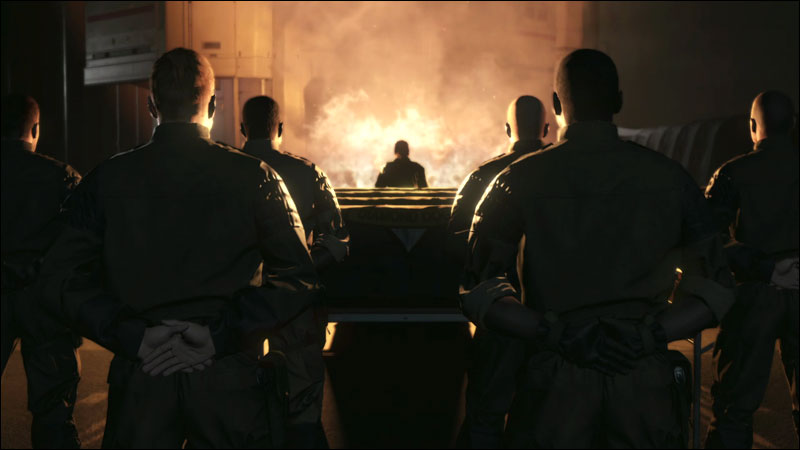
★ Protect Yourself — Legally and Financially
You also need strict procedures for storing weapons, tracking equipment, and reporting incidents. This isn’t just about being careful — it’s about protecting your entire company from lawsuits or license suspensions down the road.

★ Getting Clients: Government Contracts and Beyond
You can also take on private contracts — things like protecting executives, escorting ships through pirate zones, or securing infrastructure in unstable regions. Just keep in mind: these gigs may come with fewer protections and more legal risk.

★ Don’t Ignore the Ethics (and Politics)
So, your company needs a strong ethical code and clear internal oversight. You can’t afford to look the other way. Operating in warzones or fragile countries comes with responsibility. You’re not just a contractor — you're representing your company, your country, and sometimes much more than that.
★ Final Thoughts
But if you build it the right way — with the right values, the right people, and a long-term mindset — your company could become a key player in one of the most challenging industries on the planet.
- The Water Pistol: A serious guide about a "joke" weapon★ 5 (919)78k views802 ♥6 minUpdated Nov 4, 2019
- Advanced Game Mechanics★ 5 (1.5k)45k views2.1k ♥12 minUpdated Oct 1, 2021
- Guide to S Ranking Missions★ 5 (1.3k)35k views2.7k ♥43 minUpdated May 10, 2016
- Recommended Mods for Custom Missions, Side Ops and Beyond★ 5 (866)32k views1.8k ♥10 minUpdated Sep 1, 2022
- All Hideo Kojima Games★ 5 (250)19k views228 ♥19 minUpdated Sep 9, 2025
- FEMALE S++ SOLDIERS (EASIEST WAY POSSIBLE I SWEAR)★ 4 (150)14k views244 ♥3 minUpdated Feb 26, 2025


- Upgrading to PremiumTeam Fortress 2★ 5 (20k)1441k views11k ♥6 minUpdated May 11, 2022
- No More Room in Hell Official ManualNo More Room in Hell★ 5 (2.8k)569k views2.1k ♥29 minUpdated Apr 22, 2019
- NMRiH Community Hosting GuidesNo More Room in Hell★ 5 (526)351k views653 ♥1 minUpdated Aug 10, 2022
- ULTIMATE GUIDE FOR GAME DEV TYCOONGame Dev Tycoon★ 5 (5.8k)326k views10k ♥4 minUpdated 23 Jan, 2014
- How to 'Git Gud' Soon™MORDHAU★ 5 (2k)318k views3k ♥68 minUpdated Nov 16, 2024
- Лучшие кооперативные игры SteamPAYDAY 2★ 5 (1.5k)315k views2.1k ♥56 minRussianUpdated Apr 27, 2025




This guide was created by its original author on the Steam Community. Are you the author and want it removed? Request removal.