Not About Zombies ENG
1 - Replaying this hit me hard
ok yeah… replaying this hit way harder than I expected.
like I remembered the big stuff
Lee, Clem, ending, all that.
but I completely forgot how many small moments stay with you, and those are the ones that mess with your head later.
first thing that came back - Duck in the barn
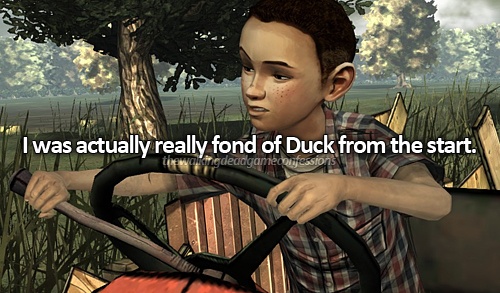
I remember the choice, obviously,
but what I didn’t remember is the pause before it.
that moment where the game just sits there and waits for you to decide who does it,
and you start thinking dumb stuff like...
“is Kenny gonna hate me if I step in?”
“is it worse if I let him do it?”
it’s not even about the act itself,
it’s about what Clem is seeing while you hesitate,
and if you pay attention, she doesn’t even react loudly there.
she just… goes quiet, which is highkey worse
2 - What you normalize becomes the rule
this one felt different now.
before it was just “ok survival situation, make the call”
now it’s like...
you’re deciding if smashing a man’s head in front of a kid is something she should see as “necessary”
and the game doesn’t comment on it,
Lilly remembers
Clem remembers
you remember
and later, depending on how you play, Clem gets way less shocked by stuff like that.
it’s subtle, but it’s there.
do you still remember how crazy this ***** is ????? I forgot how personal that whole ♥♥♥♥ gets, and how his ass is crazy.
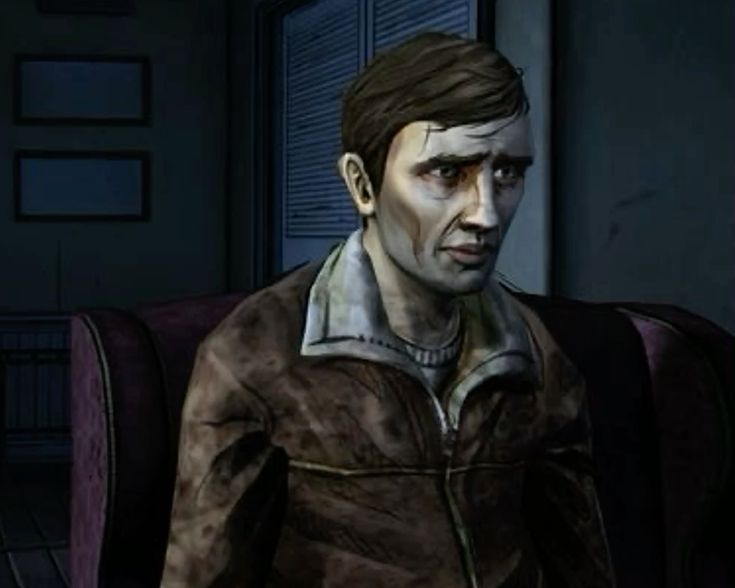
he literally builds a case against you using your own choices,
even small ones, like the car supplies (which i didnt took tho).
and what’s worse - some of his accusations can be technically true, even if you had good reasons
the game doesn’t care about your intent there.
3 - The moment you lose control fr
but not the same way
first time it’s more like... just sadness.
second time it’s more like
this quiet panic of “ok, what did I actually leave her with”
teaching her to shoot
cutting the hair
what you tell her in those last minutes.
it all suddenly feels less like dialogue and more like… instructions you won’t be there to correct.
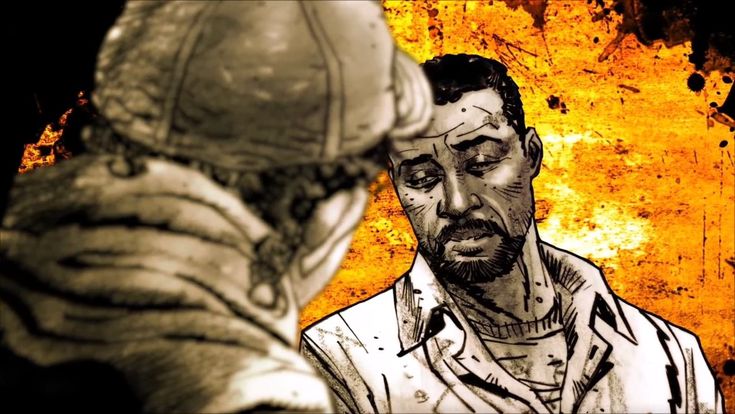
4 - You start seeing yourself in her
fast forward
and you start noticing things
the way she talks to people
how quickly she trusts or doesn’t
how she handles pressure
even small stuff, like whether she tries to de-escalate or jumps to harsher solutions,
and there’s this weird feeling like
“yeah… I might’ve done that”
or
“that’s not how I wanted it to go”
but it’s too late to change it.
-
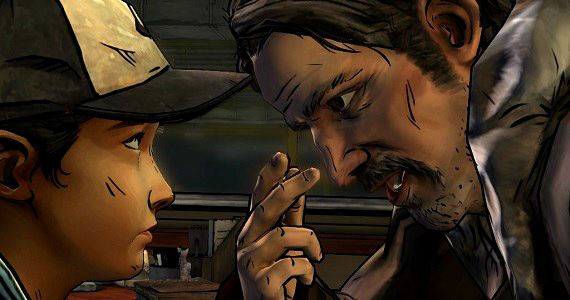
especially if you stay and watch what happens to him,
Clem’s reaction there can shift depending on earlier tone you set
and that scene quietly teaches her that violence can be “earned”
which becomes… important later.
5 - By the time AJ is around
by the time AJ is around
it clicks.
hard.
when he asks if he should feel bad about killing
that one stuck with me way longer than I expected it to be fr
because there’s no “correct” answer,
and the game actually remembers how consistent you are
if you contradict yourself later, AJ notices that tone shift
not directly, but in how he responds
the moment where he makes a call on his own
not asking you
just acting
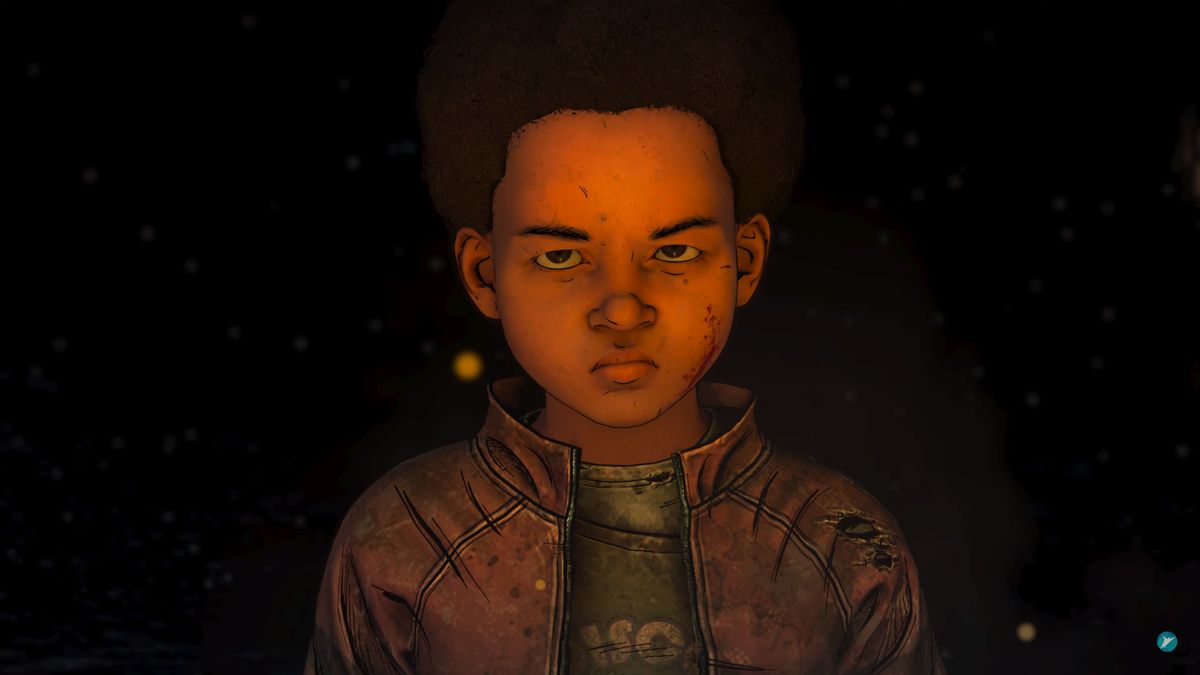
that’s probably the most uncomfortable point in the whole series
because that’s it,
that’s the result.
no redo, no “let me explain”
just
“this is what he learned”
and sometimes it’s not even a big choice,
it’s something small that escalates.
which makes it feel real.
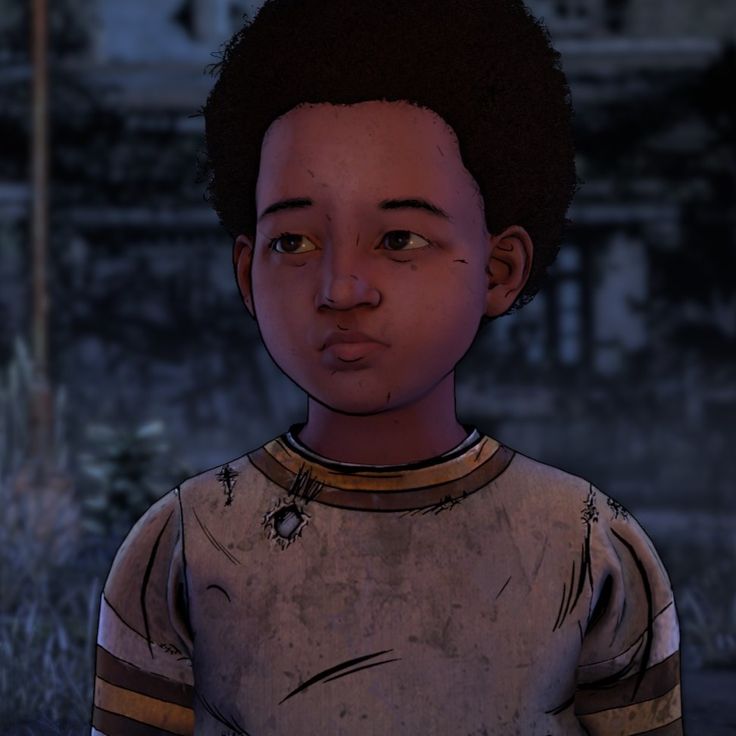
the way AJ watches Clem when she talks
like he’s not just listening, he’s studying her tone, hesitation, everything.
and you realize,
that’s exactly what Clem used to do with Lee
and now it’s happening again.
almost the same dynamic, just a bit harsher.
6 - TWDG is Not About Zombies
and yeah by the end
zombies feel like background noise idk
they’re just there to keep pressure on you,
the real thing is everything in between.
what you show.
what you allow.
what you justify.
what stuck with me after finishing wasn’t really the ending itself.
it was more like connecting all these moments together and realizing that none of them were isolated.
they all stack
quietly.
even stuff you thought didn’t matter at the time.
and that’s probably why it hits harder on replay,
because now you see the chain.
Duck.
Larry.
Stranger.
Lee.
Clem.
AJ.
and even smaller things in between that you didn’t notice before.
it’s not just events.
it’s like a line of cause and effect.
and you’re sitting somewhere in the middle of it.
thinking you’re in control...
but you’re mostly just… passing things forward.
7 - final thoughts
would I be patient enough?
would I teach the right things?
would I mess it up?
a lot of games try to made me feel powerful, but TWDG did the opposite.
it made me feel responsible.
not for winning, not for survival,
but for “someone else becoming a good and kind person”.
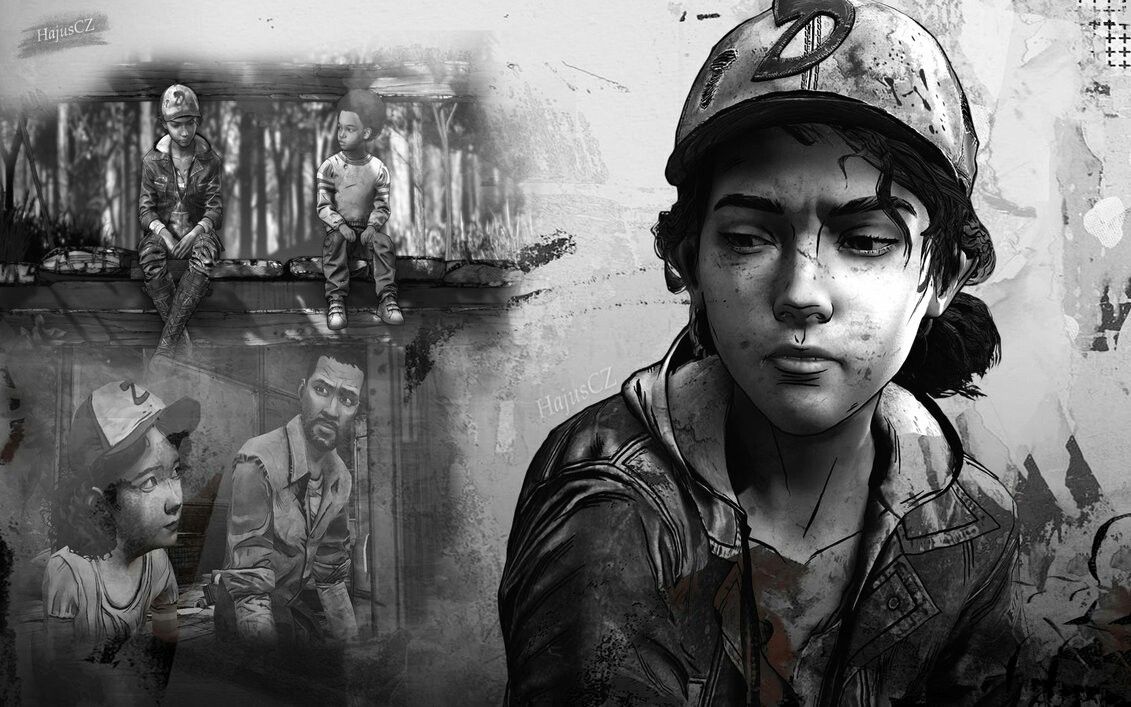
it was kinda wierd for me to write alla this, but i wanted to share my own experience with you, although im sure there is some guides like this.
thanks for your attention!
- Русификатор для The Walking Dead★ 5 (1.5k)75k views1.4k ♥2 minRussianUpdated Mar 8, 2023
- The Walking Dead Choices by Episode★ 5 (719)27k views726 ♥1 min
- Русификатор The Walking Dead(season one)★ 5 (359)27k views364 ♥1 minRussianUpdated Aug 22, 2023
- Русификатор | The Walking Dead Season One [RU]★ 5 (235)25k views420 ♥1 minRussianUpdated Jul 12, 2025
- Anti's 100% Achievement Guide★ 4 (353)21k views281 ♥4 minCzechUpdated Nov 27, 2017
- Перевод The Walking Dead (v1.7 от 04.02.2019) от Tolma4 Team★ 5 (252)16k views189 ♥1 minRussianUpdated Feb 4, 2019



- Upgrading to PremiumTeam Fortress 2★ 5 (20k)1441k views11k ♥6 minUpdated May 11, 2022
- No More Room in Hell Official ManualNo More Room in Hell★ 5 (2.8k)569k views2.1k ♥29 minUpdated Apr 22, 2019
- NMRiH Community Hosting GuidesNo More Room in Hell★ 5 (526)351k views653 ♥1 minUpdated Aug 10, 2022
- ULTIMATE GUIDE FOR GAME DEV TYCOONGame Dev Tycoon★ 5 (5.8k)326k views10k ♥4 minUpdated 23 Jan, 2014
- How to 'Git Gud' Soon™MORDHAU★ 5 (2k)318k views3k ♥68 minUpdated Nov 16, 2024
- Лучшие кооперативные игры SteamPAYDAY 2★ 5 (1.5k)315k views2.1k ♥56 minRussianUpdated Apr 27, 2025




This guide was created by its original author on the Steam Community. Are you the author and want it removed? Request removal.