Elliptical Orbits and Making a Torus
Abstract
1. Elliptical Orbits
When a node is deleted, it releases free orbit solar sails. If the node was placed on the equator of the star, the sails would continue to orbit in a perfect circle, eventually spreading out and forming a ring. However, if the node was placed away from the equator, its velocity would be lower than the required velocity to orbit in a perfect circle at that distance. The sails will then orbit the star in an elliptical orbit.
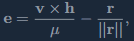
where h = r x v is the specific relative angular momentum, µ is the standard gravitational parameter, and e is the eccentricity vector. The magnitude of the vector will be the eccentricity while the direction will point towards the periapsis. If the node was placed on the equator, we know that r = (x, 0, 0)ᵀ and v = (0, y, 0)ᵀ, where x and y are any positive real numbers. Now
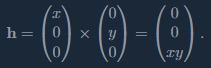
Therefore
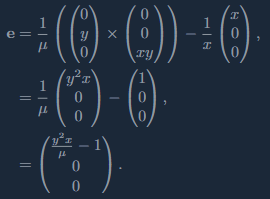
Calculating the magnitude shows
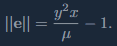
Since the orbit is circular the eccentricity will equal 0, hence
 In the case where the node was placed on the latitude θ, we know that r = (x * cos(θ), 0, x * sin(θ))ᵀ and v = (0, y * cos(θ), 0)ᵀ. Now
Therefore
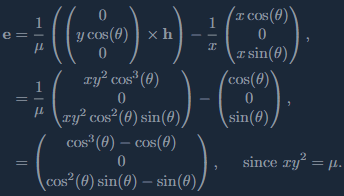
The magnitude of this vector will be the eccentricity of this orbit while the direction will point towards the periapsis.
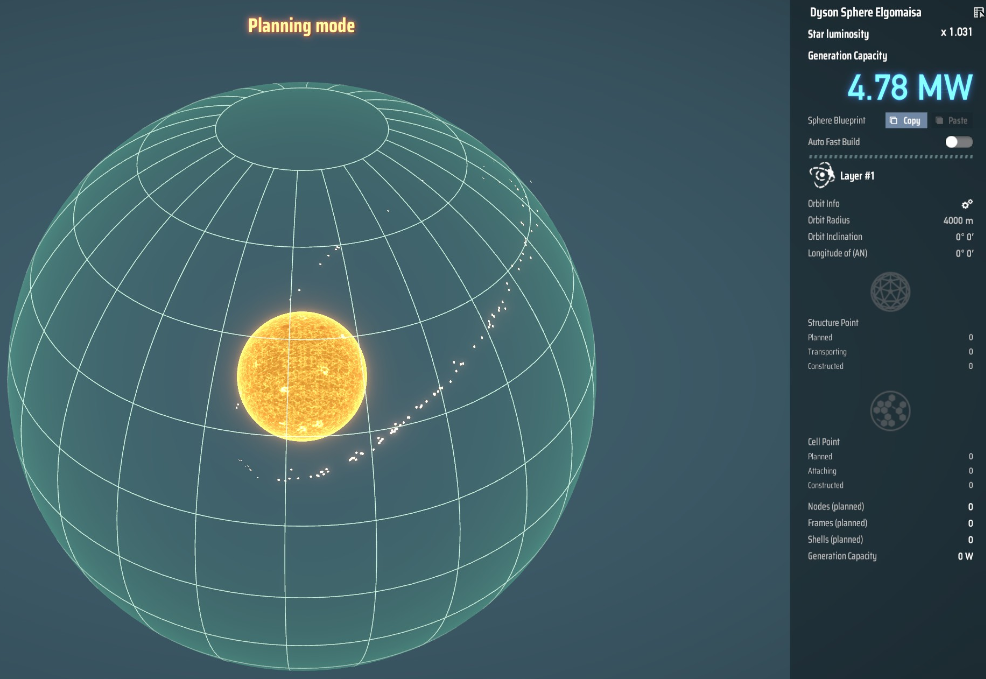
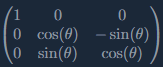
Figure 1.1 - Result after deleting a dyson node on the 45° latitude line. To specify the inclination and longitude of the orbit, a series of matrix transformations can be applied. For a rotation along the x axis, the matrix
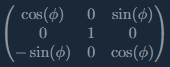
can be applied. For a rotation along the y axis, the matrix
can be applied. For a rotation along the z axis, the matrix
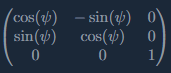
can be applied. If the vector (0,0,1)ᵀ represents the north pole of the sphere, the result of applying the transformations to the vector (0,0,1)ᵀ will represent the location of the north pole after transformation. With this, the longitude θ and inclination ϕ of the sphere can be calculated as shown in figure 1.2.
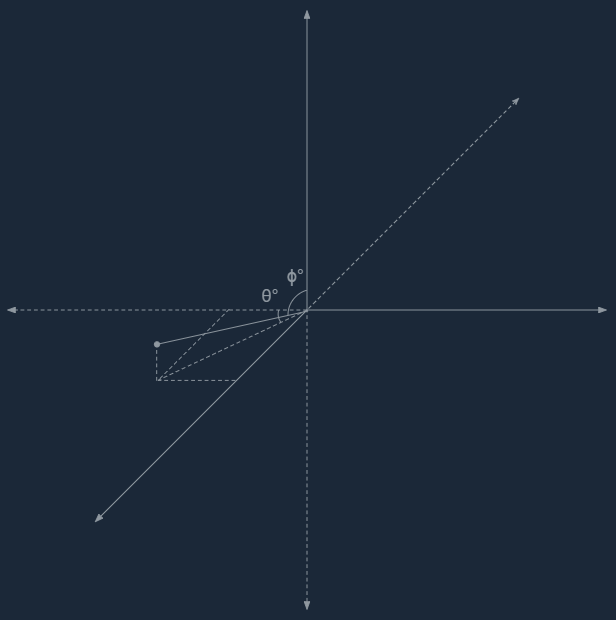
Figure 1.2 - Calculating longitude and inclination.
From figure 1.1, it can be seen that the periapsis has an angle below the xy plane of θ. To move the periapsis onto the xy plane, a rotation of θ along the y axis can be applied. To give the orbit an inclination, a rotation of ϕ along x axis can be applied.
Now an orbit can be created by placing any number of nodes on the appropriate latitude. Position the camera on the x axis and delete the nodes as they pass over the star as shown in figure 1.3. The result should look similar to figure 1.4.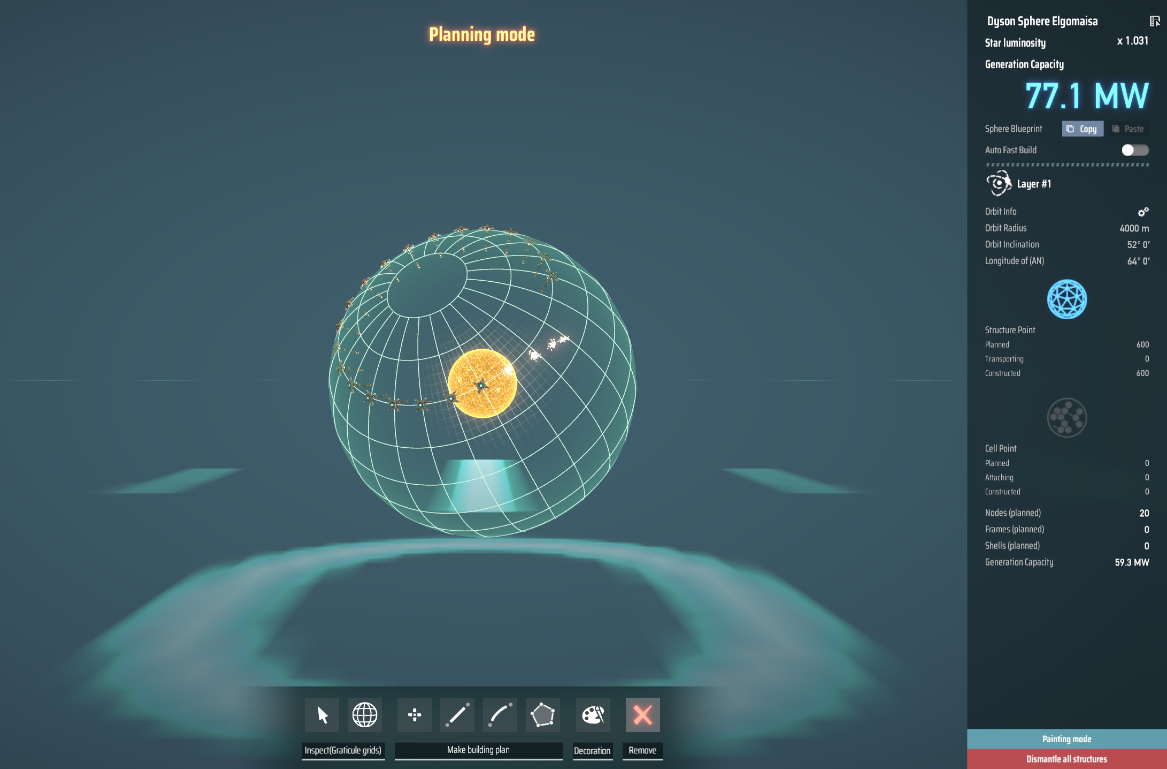
Figure 1.3 - Inclination and longitude of the shell is set to create an orbit with an inclination of 29°.
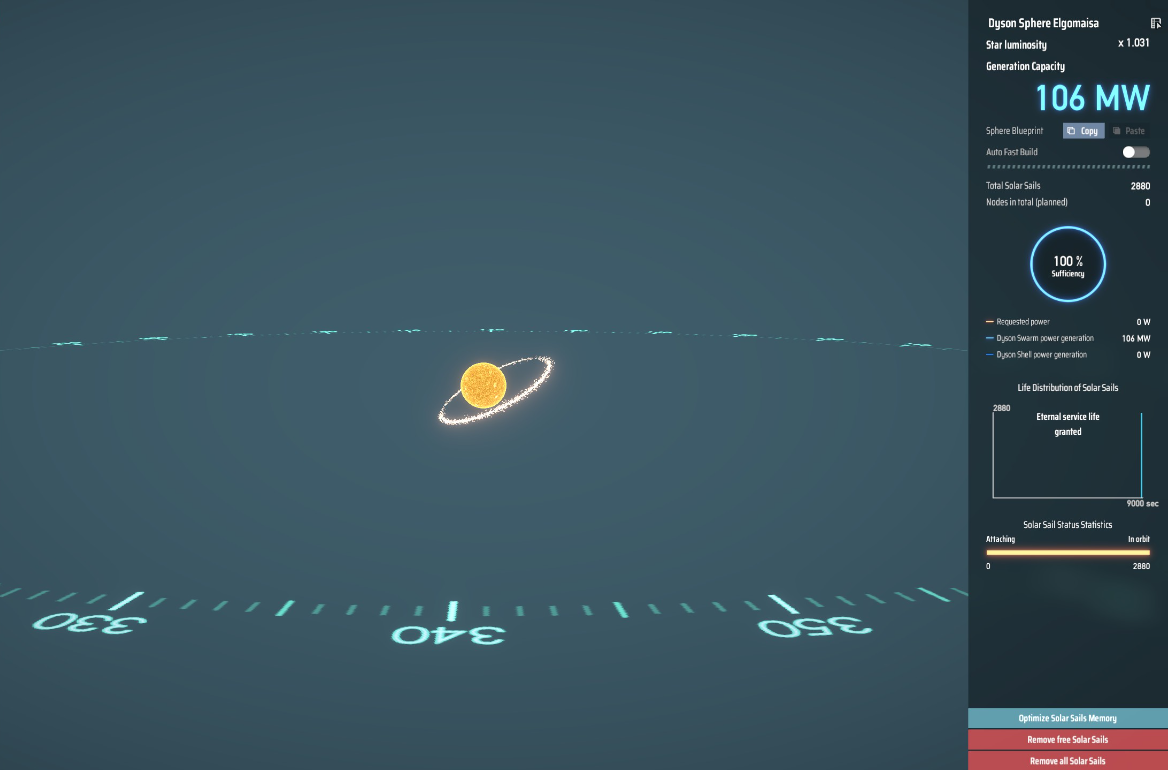
Figure 1.4 - Final result after deleting all nodes.
2. Creating a Torus
One way to create a torus is to have orbits with some eccentricity and inclination. For the following example, the torus is made using 10000m radius, 0.5 eccentricity and inclination.
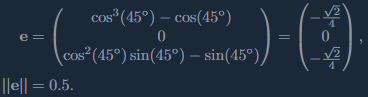
To make the periapsis on the xy plane, a rotation of 45° along the y axis is needed. To give the orbit an inclination, a rotation of 0.5 radians = 29° along the x axis is needed. Hence the transformation needed is
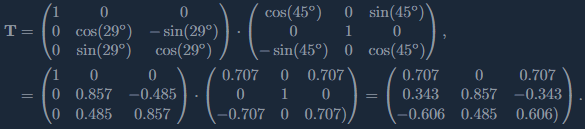
Applying this to the vector we get

From the vector, the longitude θ and inclination ϕ of the shell needs to be

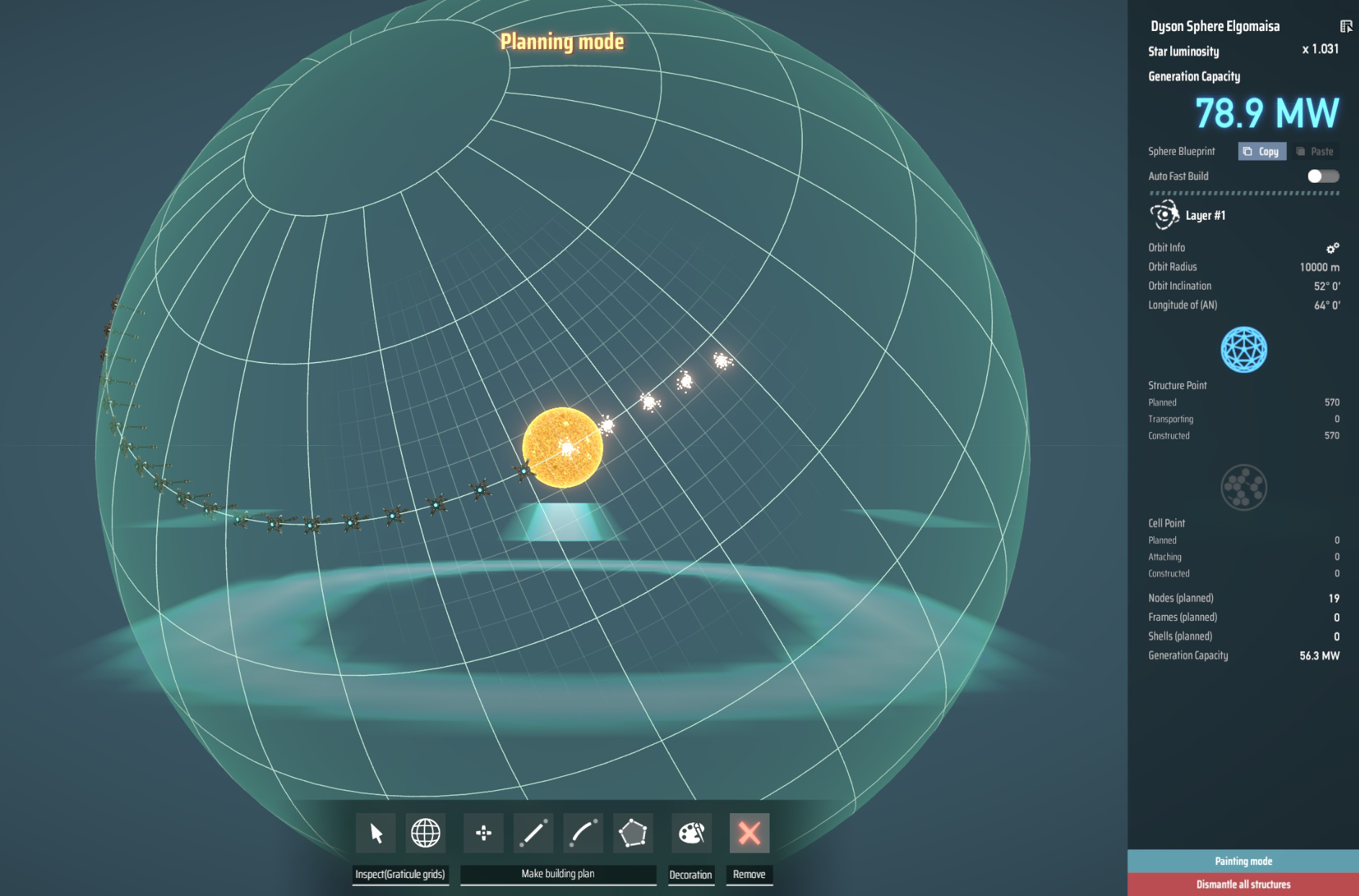
Figure 2.1 - Creating the first ring of the torus.
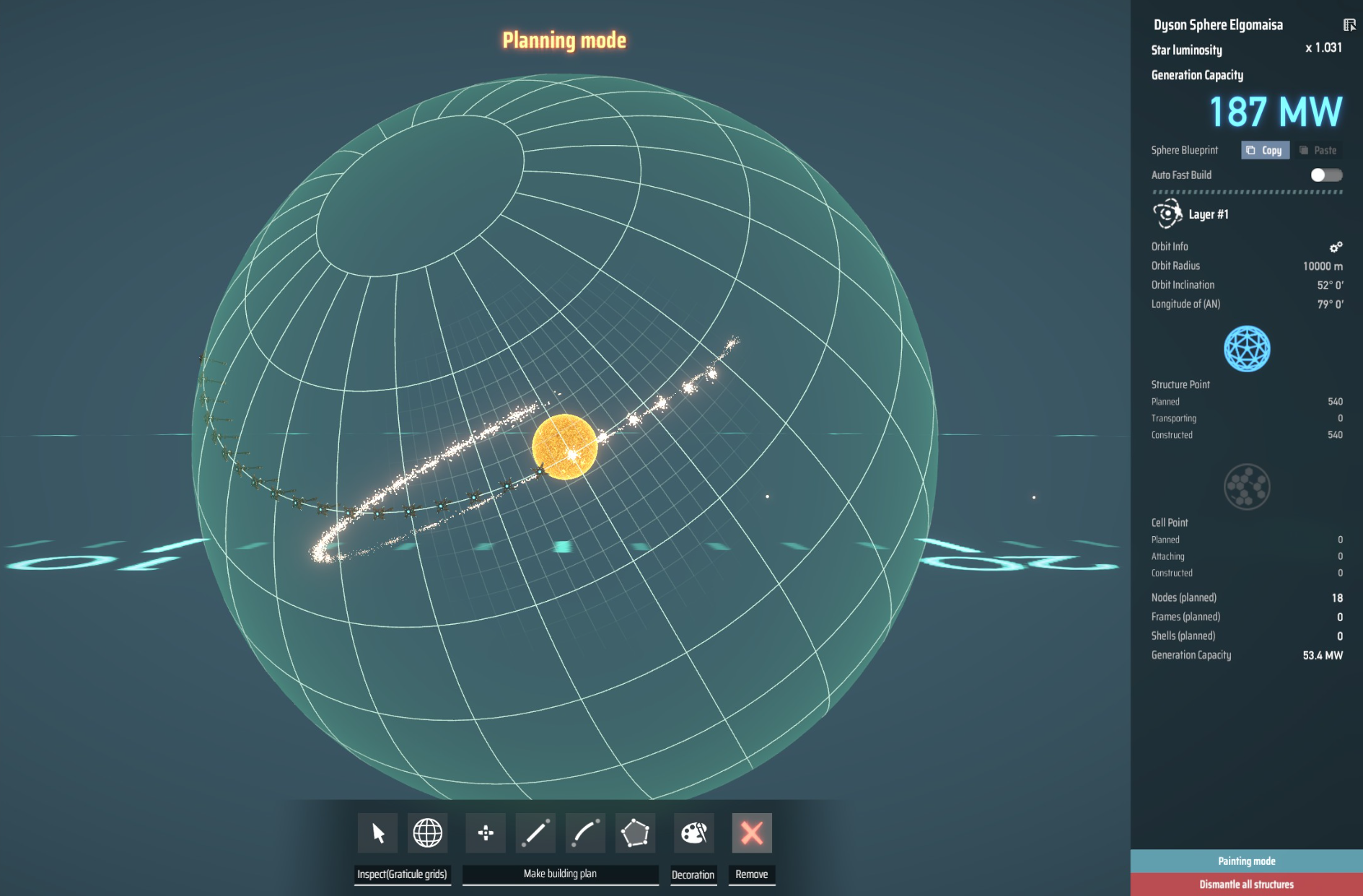
Figure 2.2 - Creating the second ring of the torus.
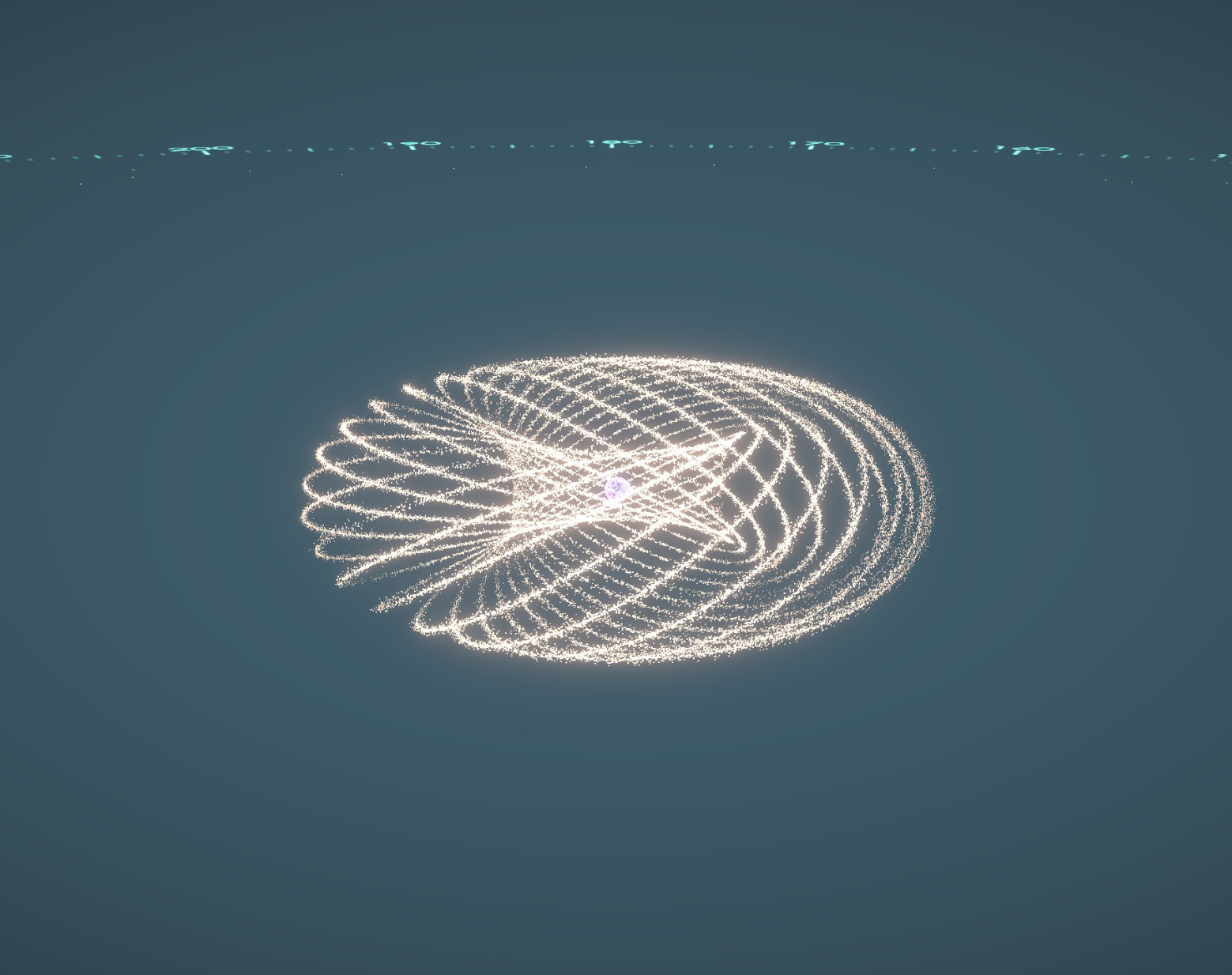
Figure 2.3 - Final result.
3. Conclusion
Below are some pictures taken outsied the editor.
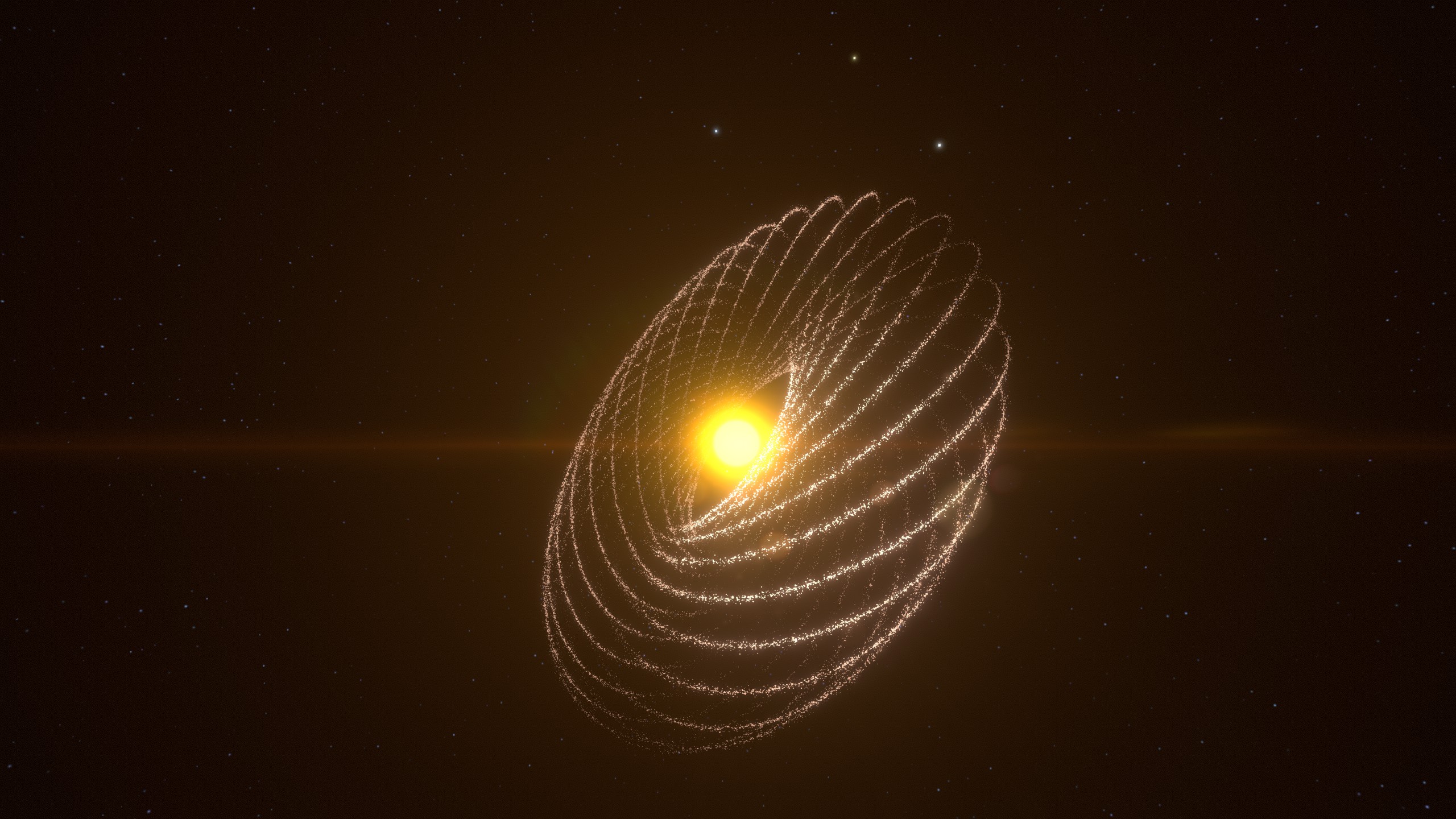
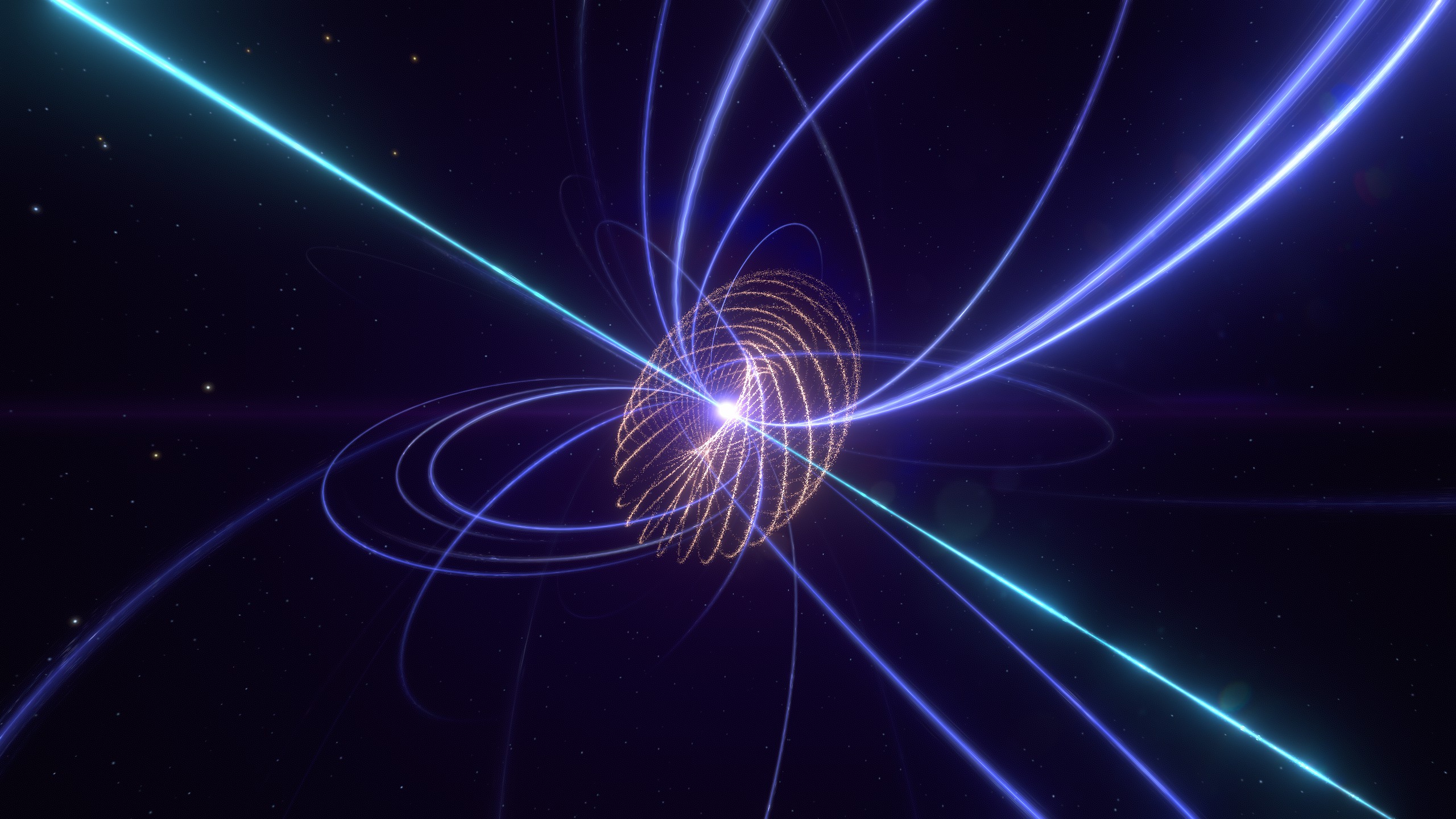
- Dyson Sphere Program Production Chain Layouts★ 5 (1.2k)58k views2.8k ♥29 minUpdated 17 Dec, 2023
- Dyson sphere design and construction★ 5 (334)35k views761 ♥39 minUpdated 6 Feb
- Pre-planetary logistics: An organization method for starters, circular belts and sorter dynamics★ 5 (741)34k views2k ♥26 minUpdated 19 Mar, 2021
- A Set of Basic Factory Blueprints★ 5 (403)29k views1.1k ♥5 minUpdated 15 Sep, 2024
- Basic Basics★ 5 (322)29k views529 ♥8 minUpdated 25 Dec, 2022
- Main Bus Design★ 4 (174)27k views315 ♥3 minUpdated 25 Jan, 2021
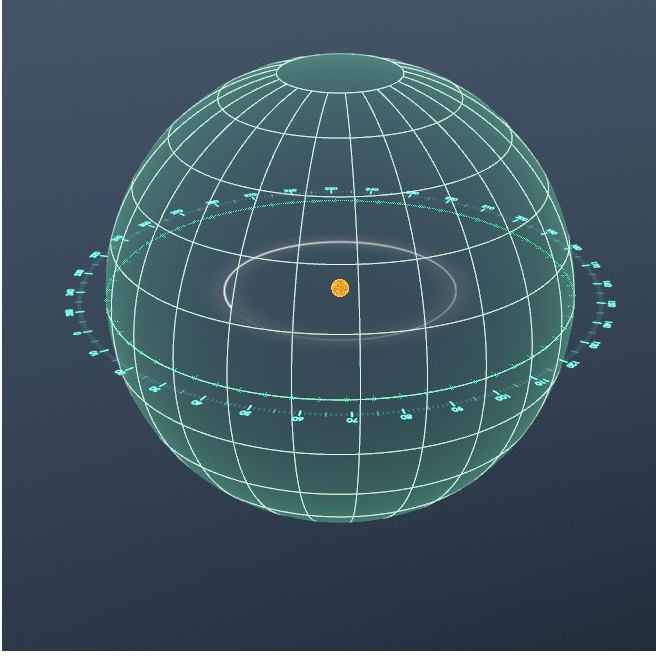


- Upgrading to PremiumTeam Fortress 2★ 5 (20k)1441k views11k ♥6 minUpdated May 11, 2022
- No More Room in Hell Official ManualNo More Room in Hell★ 5 (2.8k)569k views2.1k ♥29 minUpdated Apr 22, 2019
- NMRiH Community Hosting GuidesNo More Room in Hell★ 5 (526)351k views653 ♥1 minUpdated Aug 10, 2022
- How to 'Git Gud' Soon™MORDHAU★ 5 (2k)318k views3k ♥68 minUpdated Nov 16, 2024
- Лучшие кооперативные игры SteamPAYDAY 2★ 5 (1.5k)315k views2.1k ♥56 minRussianUpdated Apr 27, 2025
- Desert Eagle Heat Treated | Blue GemCounter-Strike 2★ 5 (1.6k)292k views1.5k ♥2 minUpdated Jan 16



This guide was created by its original author on the Steam Community. Are you the author and want it removed? Request removal.