This Is How You Lived ( How to Live For Years + )
Introduction
This guide is designed to help you survive for as long as possible in Project Zomboid - ideally, indefinitely. My suggested strategy and 'rules' might be flawed, so feel free to leave feedback or to disagree. Beyond strategy, however, I also encourage looking closer at risk, at decision-making and at what you can control vs. what you cannot control. I think just by reading and giving some consideration you might be better off on the next run (or the current).
For experienced players, much of what is covered here might seem obvious, but I think there are still a few ideas here that are new or worth thinking more deeply about. If you are new to Project Zomboid and still learning the very basics, then I would suggest reading a more basic guide, like this one, first. For any other players - this guide will help develop the mindset and habits required for long-term survival.

Survival Approach
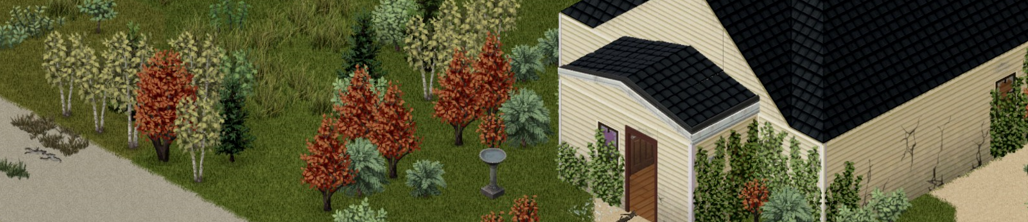
If you rely on instinct alone, you might survive for a month or two. If you are good at improvising and know the game mechanics well, you may survive even longer. Eventually, however, skill is not enough. If you lack the right fundamentals for managing risks over long periods of time, death becomes inevitable.
Survival rarely ends because of a single mistake. More often, one small problem leads to another until the situation spirals out of control. The key to surviving is preventing that chain of events from ever starting. Stay aware of what you can control; yourself and your positioning as well as your preparation beforehand. Stay aware of what you can't control; angles you can't look at, places you can't see, movements you can't control. Never hesitate to leave a situation that begins slipping beyond your control. Knowing when a situation is becoming dangerous requires experience, but the rules in the next sections give you a framework to work from - many of those lessons were learned the hard way.
Keeping yourself alive at home is the easy part. Once you have a secure source of food and water, sustaining a base requires very little effort. If your base is genuinely safe - with solid defenses, no nearby zombies, and no zombie spawns in the area - then the greatest threats are usually your own mistakes: walking over a small campfire (don't use them, only use the more advanced ones which you can't catch on fire from), leaving an oven or microwave running, eating rotten food, cutting yourself on a tree branch, or being attacked by an animal. The real challenge of Project Zomboid is not surviving at home; its surviving every time you choose to leave it.
I: Homesteading & Basic Long-term Survival
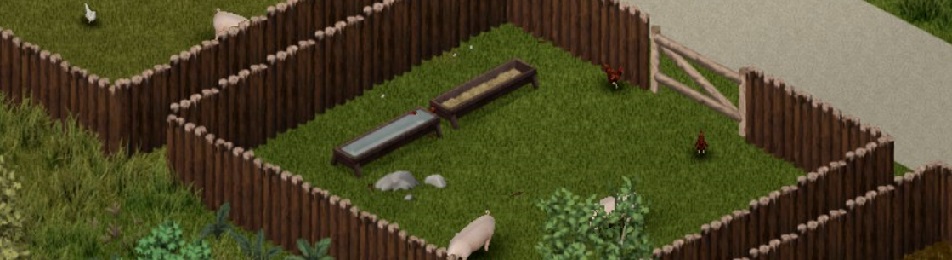
You are already capable of setting up a safehouse. Preferably in a place without nearby zomboid spawns and within some proximity of places you want to loot and explore. A long-term base should provide the following;
- Complete safety, meaning no zombies nearby.
- Additional safety to enable you to let your guard down; a wall, a house inside the walls.
- Enough food supplies to stock up for expeditions or to feed yourself quickly; canned food, rice, beans etc.
- The means to establish a continuous food supply; farming, animals and trapping with foraging, fishing and hunting as supplemental (never rely on one method only).
- Water supplies for the short-term.
- The means to procure water consistently; a sink hooked up to multiple water collectors.
- Consistent access to power and a stove or a fireplace with enough fire-starters and fuel.
It is important to at least establish a safe spot where you can safely sleep, eat, stock up and recuperate. You might already have mastered this or miss some materials to set up a truly self-sustaining base; let us move on to how to clear an area, large or small - in a controlled and safe way.
II: Clearing an Area / Leaving the Base
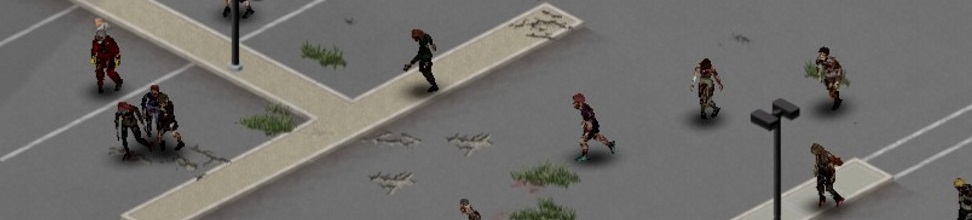 First, you should consider if you should leave the base at all. Leaving safety under bad conditions already puts you at a disadvantage. Maybe you can handle it, but if another risk factor or unpredicted event occurs it might make handling it all a bit more difficult. If any of these conditions apply, then it is best to stay home until they do not:
- The weather disrupts vision and/or hearing.
- It is too close to dusk.
- You are close to having, or already have a negative moodle.
- You have a moodle in-real life (underestimated, most deaths I have seen occur when the player is affected in real life, whether they are tired, distracted or unfocused).
- You are not properly equipped.
This is probably the most common way for experienced players to loot safely. I have tried to detail what I believe is the safest possible way to clear out an area, or a building:
- Leading all the way from the base to your destination, have a cleared and safe fallback path. It must be free of zomboids, which means clearing anyone within view while on the path. It might feel tedious, but everything relies on having a secure, main exit path.
- Memorize and know the fallback path, do not move far away from it and always, when falling back, do it along the fallback path. If you escape down the wrong path you could only get deeper in to trouble. The fallback path is your lifeline.
- Secure the exterior of an area first. If you want to loot a building, walk all around it and clear it out. Pull nearby zombies towards you, engaging them in the open.
- Scout the interior, walking around the structure, look through windows. If you see any zomboids inside, draw them out to the open and deal with them.
- Once inside, clear the area methodically. Close doors around you as you clear out the main open area of a selected floor. Remain on watch, and walk in combat stance. Never go close to a corner.
- Even though you have cleared an area, there could be zomboids coming in from elsewhere. Shout in front of closed doors or push at them, then wait for a response. Based on the sound you can assume how many there are, if there is one, open the door in combat stance. If there are more, open the door and run to an open area to engage - or simply leave the house, most of the time it is not worth it.
- Clear room by room, floor by floor.
- Manage moodles and light proactively. If it's getting close to dusk, it's time to leave. If you know you are getting close to having the first stage of the exhausted moodle, have a rest in safety. If you are close to being drowsy - leave, you might need the remaining time to clear out your fallback path.
- If you clear an area over multiple days, never assume an area you previously dealt with is clear. Only rely on the fallback path that you know. Zomboids move, respawn and migrate.
- Carefully select engagements, if a building seems difficult to clear out or even enter - then don't. If an area seems scary - then do not go there. If it's getting too late and you know an engagement could take long - then leave.
The idea is to remain in control, to never be surprised and to deal with zomboids in a manageable and controlled way to secure and area. There are faster ways to do it, but those are much riskier and should be avoided unless you are fine with losing a character over it. If you do opt for those methods then the ways to reduce the risks associated with it should be thought through, many of the principles here still apply.
This method ensures you always have a fallback path to esacpe to, in order to replace a weapon, handle a moodle or escape. It also ensures that you remain, as much as possible, in control of the area around you and that you are unlikely to get in to unexpected fights or be surprised. It might be slow but it's safe.
III: Equipment
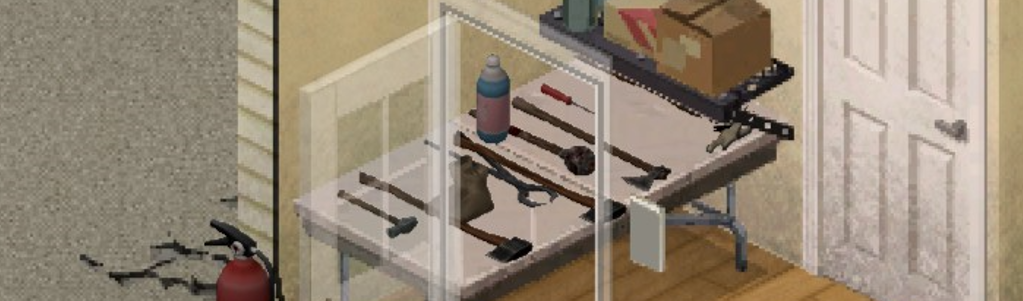 Preparation is one of the easiest ways to reduce risk and uncertainties. Various situations could occur and having equipment to deal with them is vital, preparation alllows you to mitigate danger before it appears. If possible, you should always carry the following items:
- At least two sterilized bandages.
- Lemongrass.
- Caffeine pills or coffee.
- Ginseng.
- Water & extra water.
- Flashlight & spare battery.
- A main weapon, a second weapon on the back/belt and a spare weapon.
- Armor and protective clothing.
Carrying all this might give you less inventory space. Ideally you have a car to off-load loot, a chest rig and/or a backpack to store these items in. However, if you have access to armor I would prioritize that. You will not need these items most of the time, but when you do - they are invaluable.
IV: Vehicles
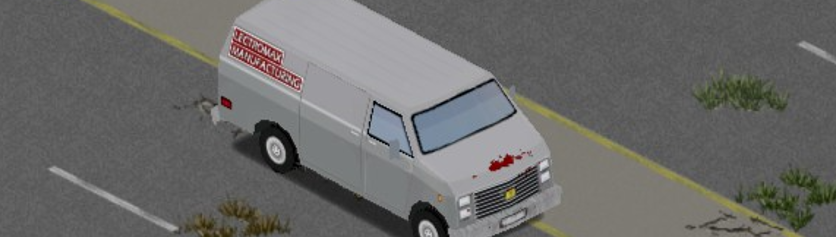 Vehicles are a great tool that should be utilized. They can be used to rest in, to store loot and, in emergencies; to escape with, sleep in or run over zomboids. Here is some advice to use vehicles safely;
- Vans are the best option. You can use the trunk while seated inside, leaving you less vulnerable. They also have more storage.
- Ensure that the vehicle is in good condition. You want the engine to start immediately when needed. Better engine quality does better off-road and let's you get out sticky situations easier.
- The windows, at least on the driver's side, need to be intact. With a broken window a zombid can simply bite you. A window would buy you time should the engine stall as you are approached, or should you be snuck up on while organizing your belongings.
- Keep the car close by for access, but not so close that you might have to abandon it should you be forced to retreat. You should have enough space between yourself and the car that you can both outrun a group behind you and deal with potential zomboids that have been drawn in by the sound of your vehicle.
- Make a judgement on keeping the engine running or not. Be aware that engine sound will attract nearby hidden zomboids.
- Do not check the map, eat or read in an unsafe spot. In the driver's seat you have another layer of protection between yourself and a sneaky zomboid.
- Vehicles are a tool to be used, do not dangerously swerve to avoid a zomboid in order to preserve the car. It would put you at risk, your character is much more valuable than a vehicle.
- Keep the passenger seat empty. That way you can move seats and get out from another door should one part be swarmed (this might not apply in the newer B42 versions anymore, as you can use a seat despite items being there).
- Zomboids can break the car-glass and bite you surprisingly quick. Don't overestimate the safety of being in a vehicle.
- When getting out of a vehicle, try to park it so that you can see the driver-side car-door. If you use vans, the 2D angle can create blind-spots. If there is a blind-spot, approach it as if there might be a zombie there.
- Always check fuel and vehicle condition before departure. Keep cans of fuel at base, a spare gas can in the trunk is always good.
- Be aware of off-road performance. Vehicles with weaker engines become significantly weaker off-road. Maybe you were driving just fine on the road but a situation forced you to go off-road; suddenly the vehicle is surprisingly slow.
V: Additional 'Rules'
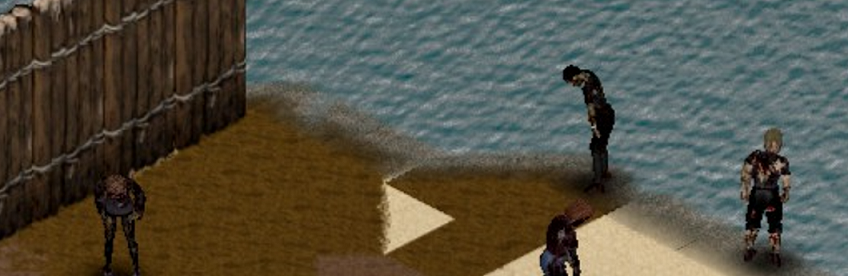
Planning, Awareness & Caution
- Have a plan and think ahead: where are you headed, what could go wrong, where do you escape?
- Never assume an area/structure is safe or cleared because you have been there recently. Zomboids move, migrate and respawn. Verify or assume it is unsafe.
- If in doubt; don't. Return with a better plan or simply move on.
- If something turns the tide against you or you get a moodle, pull back and re-evaluate. You can always re-engage from a more predictable position, or chose to retreat.
- Look around constantly and play with high volume (ideally with spatial sound and earphones) so you are more aware.
- Use the AEBS to predict weather changes and when a situation changes; adjust. It might be annoying to cancel plans because of weather change, but the place will be there for you again when the weather clears.
- Do not enter burned houses; loot is minimal, they are hard to navigate and you could possibly fall in to the basement without a staircase to get back up. Also be aware of construction sites and generally of heights or drops, simply move on from places that seem sketchy.
- Keep distance from corners, windows and doors. Don't walk close unless you need to and don't fight next to them.
- As mentioned before, fight in open areas and pick the fights. If you didn't pick or at least anticipate the fight, you messed up somewhere along the line.
- Fence fighting is tempting but ultimately too risky. One wrong move or miscalculation could have you stun-locked.
- Use long-range melee weapons, it gives you more margin of error. Get accustomed to the range, with a long axe, for example; you can miss two hits and still have time for a push.
- Staircases are difficult to work around. The best approach is probably to make sound, wait and listen before cautiously walking up in combat stance.
- Corners and cover hiding zomboids is an issue, they can be standing nearly half-way around a corner and at a bad angle you can not see the zomboid when logic tells you that you should be able to, same goes with trees - vision/zomboid visibility can be tricky. Take a wide berth from corners and trees and other vision-blockers whenever you can.
- Inspect equipment before expeditions. Check clothing for holes, check weapon condition and don't forget about shoes. Shoes wearing out could lead to a scratch which could slow you down, with some extra bad luck, it could be the end.
- If you have a generator, make a habit to check on it regularly. It could explode, repair it whenever it falls below 80%. Don't forget.
- Molotovs and explosives are effective but risky. Fire spread quick and catching on fire is a fast way to die. Explosives can be unpredictable, timers and sensors can reduce the associated danger but still, they are not worth the risk when more reliable, safer methods can be used.
- Don't be greedy or impatient. You have time. One slip-up and you could lose it all.
- Beware of loud noises, if you have fired a gun or honked a horn; pull back, watch and estimate. More zomboids could come than had anticipated.
- When you do take risk, be aware of it and avoid stacking other risks on top. If you truly want to keep living, then zero risk is the safest choice.
- It's easy to get complacent and confident. If you take a risk, a shortcut, and it turns out fine, you might be tempted to do it again, then again. Suddenly you could be out of luck.
- When setting up a plan and when thinking of what to do, always think; what could go wrong here, how can I approach this safely?
These are just some of the many rules that you should follow. Following them will help you avoid surprises or get in to situations that might seem fine at first, but could quickly escalate if several unfortunate events stack against you. In the end, long-term survival is about building the habits that make you independent of luck and circumstance.
VI: Survivability Layers
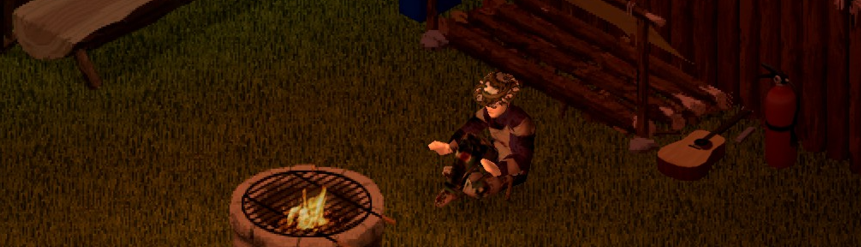
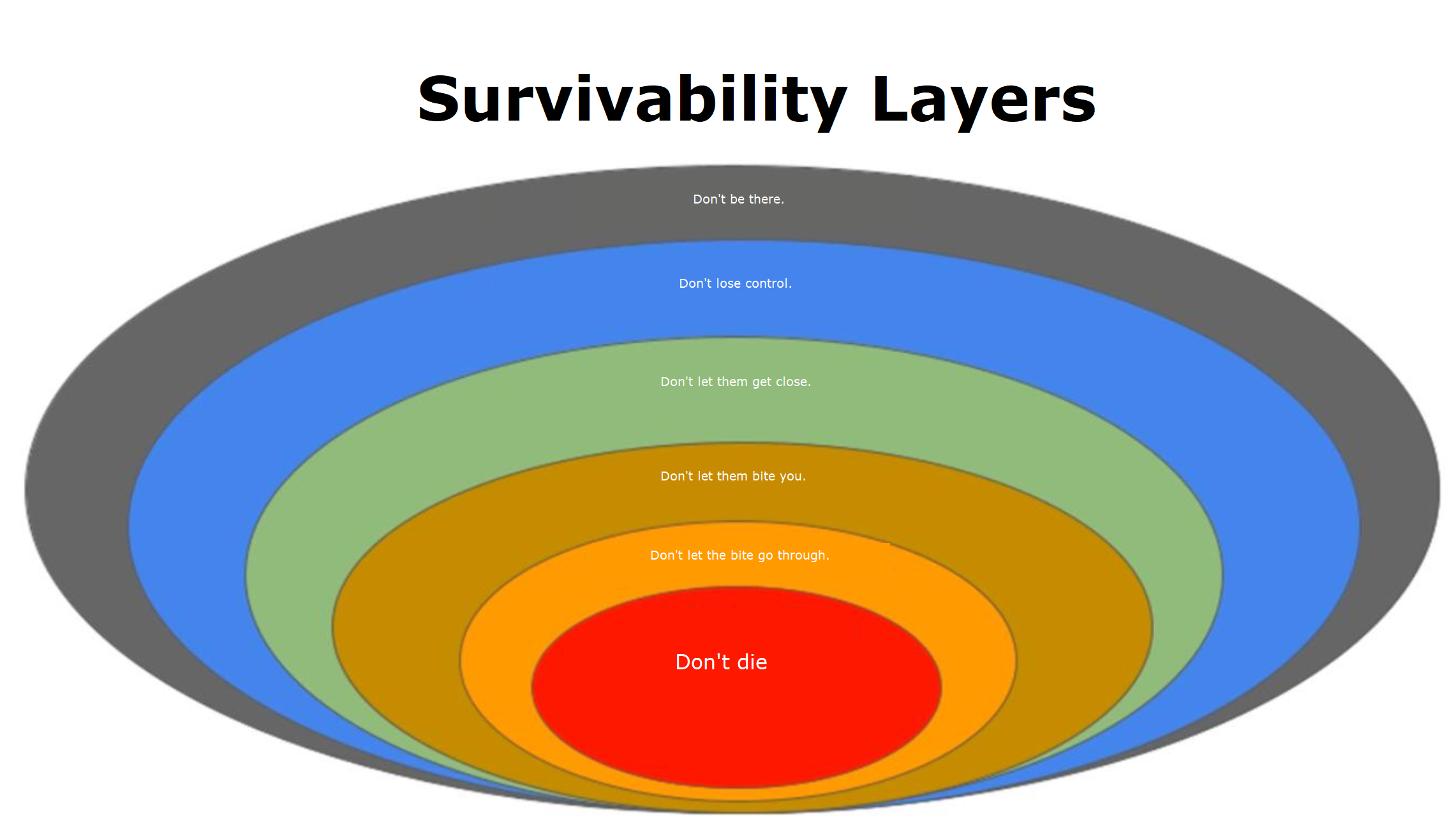
Even if you have mastered risk assessment, know when to leave, and can clear buildings and areas safely, you should never assume things will always go according to plan. The goal is not to prepare for if you lose control, but when. Given enough time, everyone makes a mistake. Sometimes you will slip up, and sometimes the game will throw something at you that no amount of planning could have predicted.
The first layer is about we have already covered; deciding when to engage, when to be there, and where you are. If you end up somewhere it is because you placed yourself there. Was it a good choice? Did you position well, did you clear that group outside?
The second layer is about maintaining control and awareness, maybe you got in to a bad situation so now you have to use the information and possibilities present to you to make a good decision. Where do you re-position to? Can you flee? What is the best way to take them on? Can you care for a negative moodle before engaging? Do you have equipment to help you?
The third layer is when the engagement is on, you are forced to fight or flee. Here it comes down to your characters physical skills, their weapon skill as well as your mechanical capability and understanding of combat. How much space does your melee weapon allow you to keep from them? Are you positioning well? How do you kite them?
The fourth layer concerns what you can do about an attack, as in an animation occurring. They have already got you out of your comfort zone (first layer), gotten to close and now they attack. Is it best to hit them to cancel the bite animation? Does your movement speed modifiers and moodles allow you to turn and run in time? Is the best course of action to push?
The fifth layer means they have started the bite animation and it will reach you. All you have to rely on here is the pre-planning you did and the skills your character have. Do you have a high block chance due to a high weapon and strength skill? Do you have protection?
Long-term survival is built on layers of protection. Each layer exists to compensate for the failure of the one before it. If your first line of defense fails, the next should keep you alive, and the next after that if necessary. Think of it like the layers of an onion: every layer you remove brings you one step closer to disaster. Your goal is to make every layer as strong as possible.
Extra: Death & Near-Death Reviews
This section contains a collection of Project Zomboid death or near-death clips, each followed by a comment on what happened. The purpose is not to criticize the players involved, but to examine the situation and learn from it as an example. Following the frameworks of this guide, most of these situations will never arise, but it is fun to analyze them either way.
- Modding Policy★ 5 (397)133k views208 ♥9 minUpdated Nov 8, 2022
- 80 tips and tricks for Project Zomboid (If you have over 100 hours in this game some of these will probably be new to you too)★ 5 (1.6k)82k views3.1k ♥28 minUpdated Aug 29, 2021
- Топ 100 лучших модов на "project zomboid"★ 5 (415)68k views1.1k ♥10 minRussianUpdated Jul 28, 2024
- [B41] Лучшие места для базы★ 5 (477)61k views1.3k ♥6 minRussianUpdated Nov 30, 2025
- Первая помощь ❤★ 5 (628)49k views1.4k ♥5 minRussianUpdated Jan 20, 2025
- The Basics of Base Building★ 5 (704)48k views1.5k ♥17 minUpdated Dec 24, 2021





- Upgrading to PremiumTeam Fortress 2★ 5 (20k)1441k views11k ♥6 minUpdated May 11, 2022
- No More Room in Hell Official ManualNo More Room in Hell★ 5 (2.8k)569k views2.1k ♥29 minUpdated Apr 22, 2019
- NMRiH Community Hosting GuidesNo More Room in Hell★ 5 (526)351k views653 ♥1 minUpdated Aug 10, 2022
- ULTIMATE GUIDE FOR GAME DEV TYCOONGame Dev Tycoon★ 5 (5.8k)326k views10k ♥4 minUpdated 23 Jan, 2014
- How to 'Git Gud' Soon™MORDHAU★ 5 (2k)318k views3k ♥68 minUpdated Nov 16, 2024
- Лучшие кооперативные игры SteamPAYDAY 2★ 5 (1.5k)315k views2.1k ♥56 minRussianUpdated Apr 27, 2025




This guide was created by its original author on the Steam Community. Are you the author and want it removed? Request removal.