Knox Event Gourmet Guide: Kitchen Arts & Professional Crafting
1. Essential Kitchen Tools & Setup
In the brutal reality of the Knox Event, relying on canned beans will only keep you alive for the first few weeks. To maintain your character's physical weight and mental stability through the harsh winter, you must master the art of cooking. With over 300 hours of rigorous field testing, it is a proven fact that a professional kitchen is just as important as a fortified safehouse.
This database serves as the ultimate technical breakdown of every kitchen utensil, appliance, and heat source in Project Zomboid. Choosing the right tool is the first step that separates a master chef from a casual survivor.
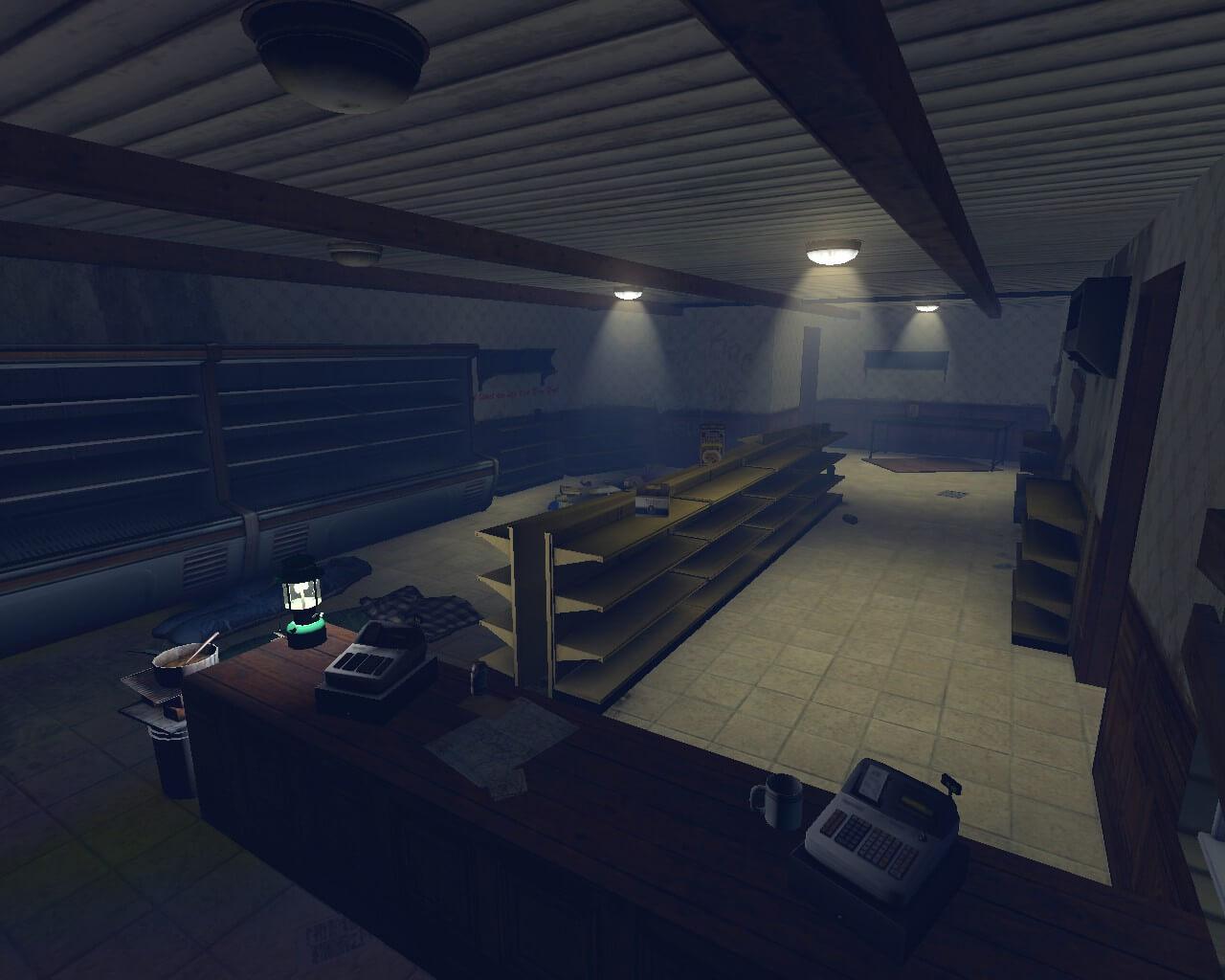
The foundation of high-calorie, highly nutritious meals starts with deep vessels. These are your main tools for combining multiple ingredients to maximize nutritional output:
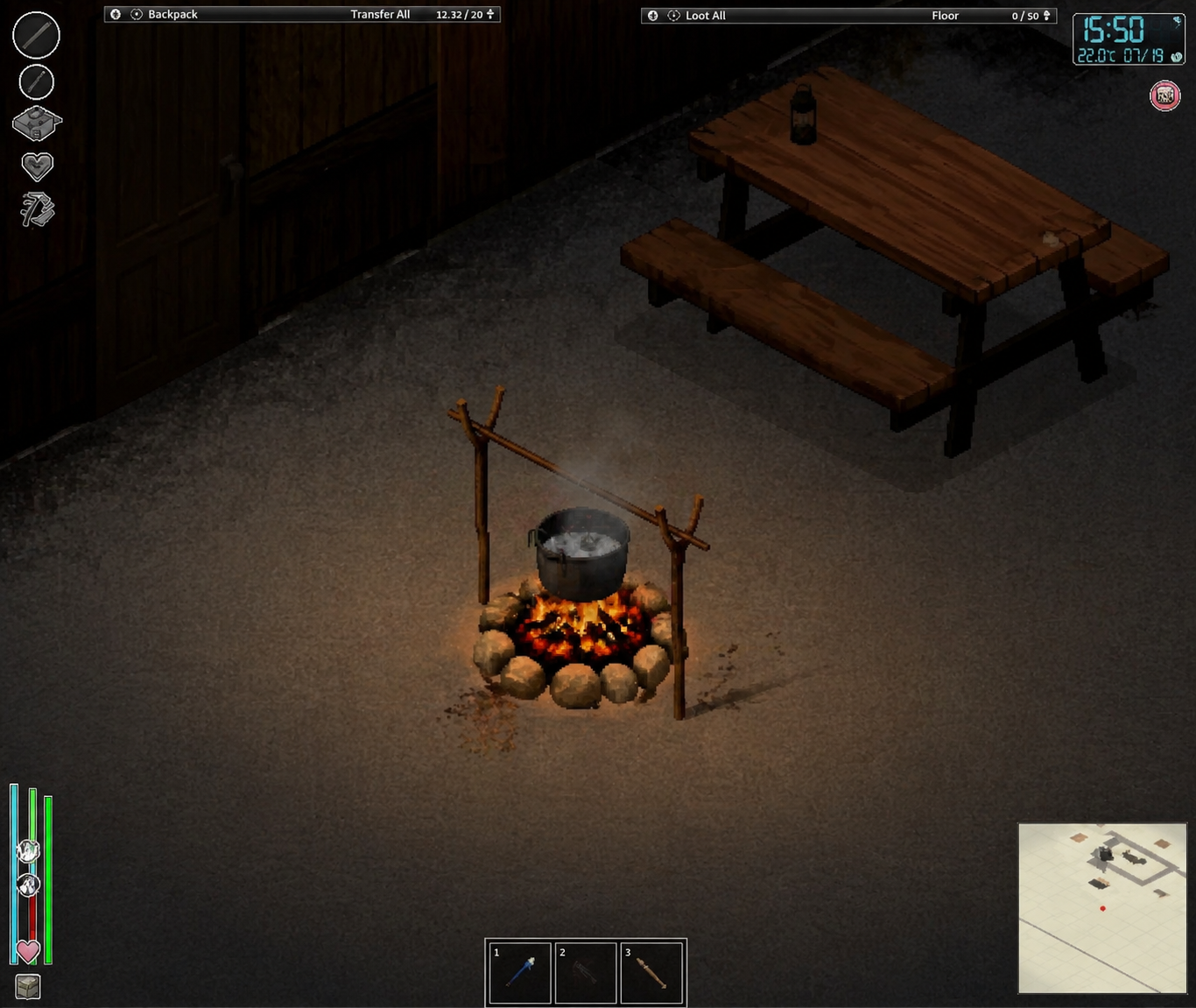
When you don't have the time to slow-cook a stew, or you need to process hunted game quickly, you must turn to flat-surface cookware.
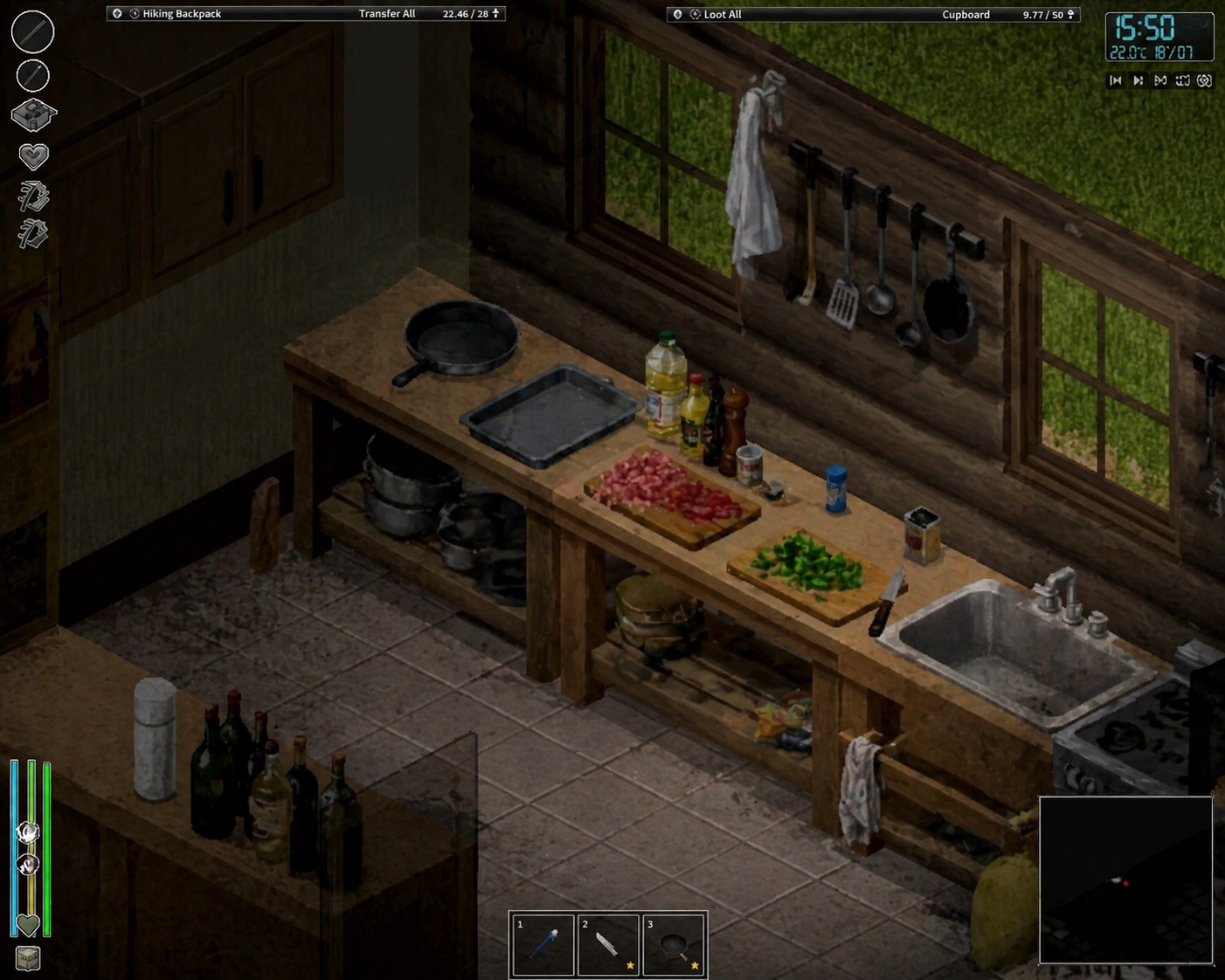
You cannot interact with raw ingredients efficiently without the right hand-tools.
- The Blades (Kitchen Knife, Hunting Knife, Cleaver): You must have a sharp blade in your main inventory to slice watermelons, fillet fish, or chop vegetables for a salad. Warning: Do not use your primary cooking knife to kill zombies! If it breaks, you cannot prepare advanced meals.
- The Bowl: A tactical asset. You can divide a finished pot of soup into 2 or 4 bowls. This process multiplies the Boredom and Unhappiness reduction compared to eating straight from the pot. It is also required to make Salads.
- The Rolling Pin: Mechanically required to flatten dough for pies and pizzas.
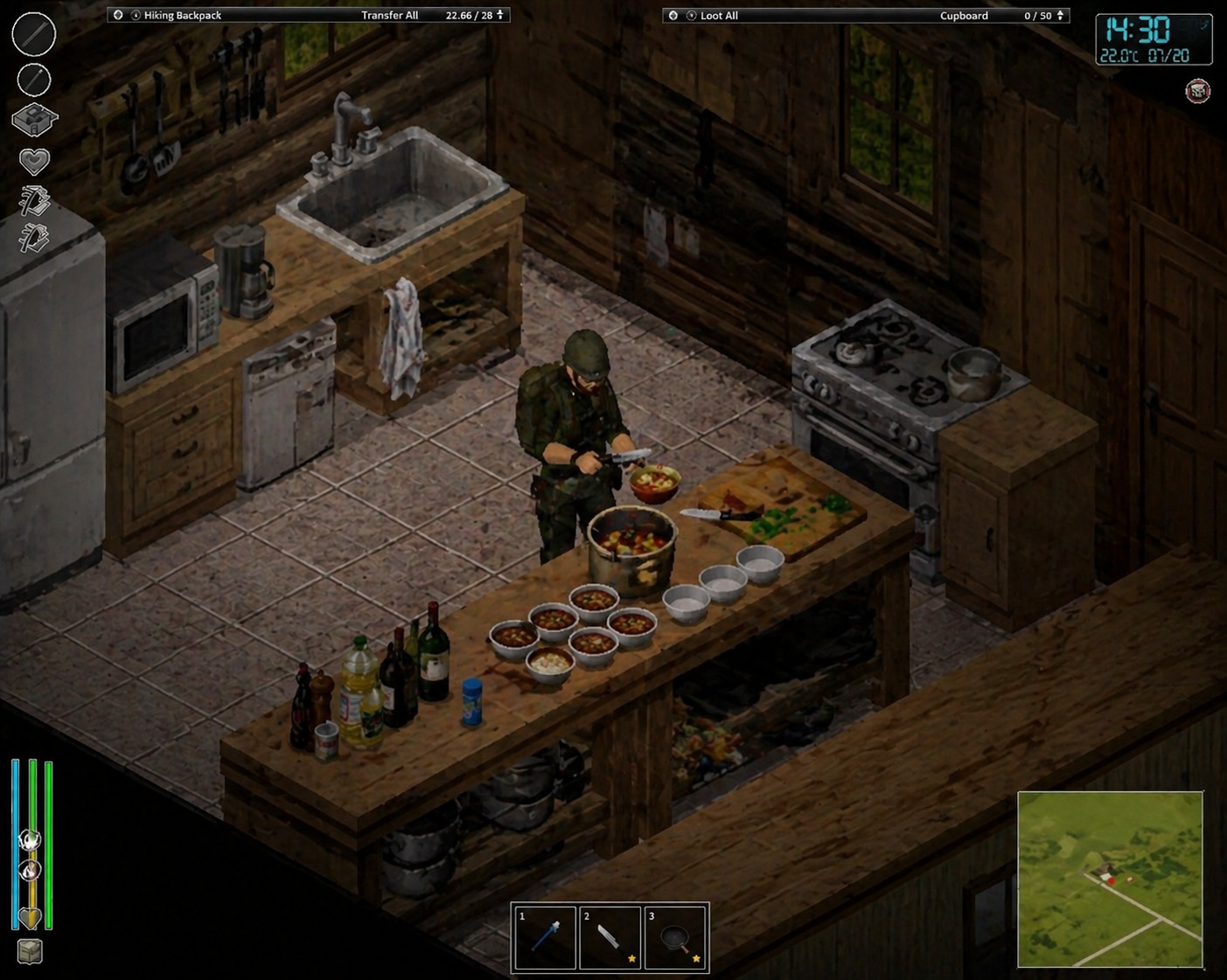
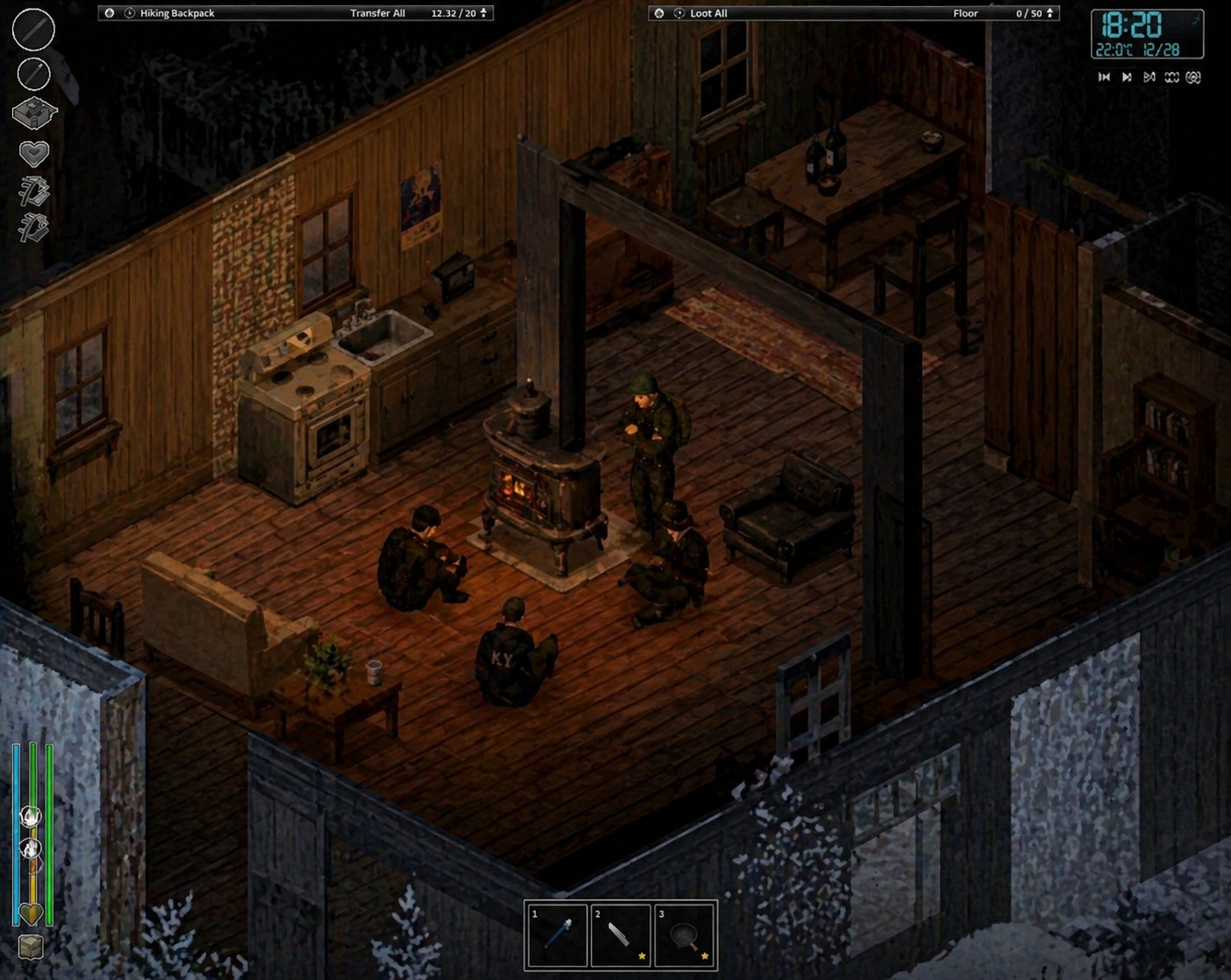
Heat management is life. Choosing the wrong appliance, or using it incorrectly, will result in the destruction of your safehouse.
In the next section, we will explore Calorie counting, the nutrition system, and the secrets of Level 7 Cooking that make "Rotten Food" usable.
2. The Science of Nutrition & Culinary Mastery
In Project Zomboid, eating is not merely about making the "Hunger" moodle disappear. Beneath the surface lies a complex, hidden nutritional system that tracks Calories, Carbohydrates, Proteins, and Lipids (Fats). After surviving for months, if you do not understand this system, your character will either become dangerously emaciated and lose physical strength ("Weak" trait), or become severely overweight and lose stamina.
Cooking is a calculated science. Every ingredient added to a pot alters your character's biochemical state. This section decodes the hidden numbers and provides the blueprints for late-game culinary survival.
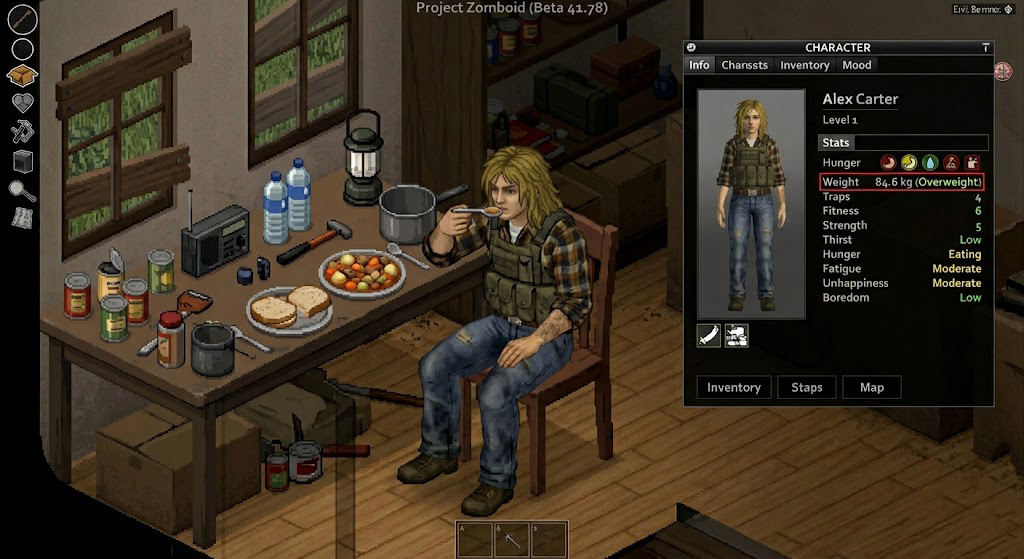
To manage your weight (ideally keeping it between 75 and 85 to maintain the "Fit" or "Stout" traits), you must balance what you grow with what you hunt.
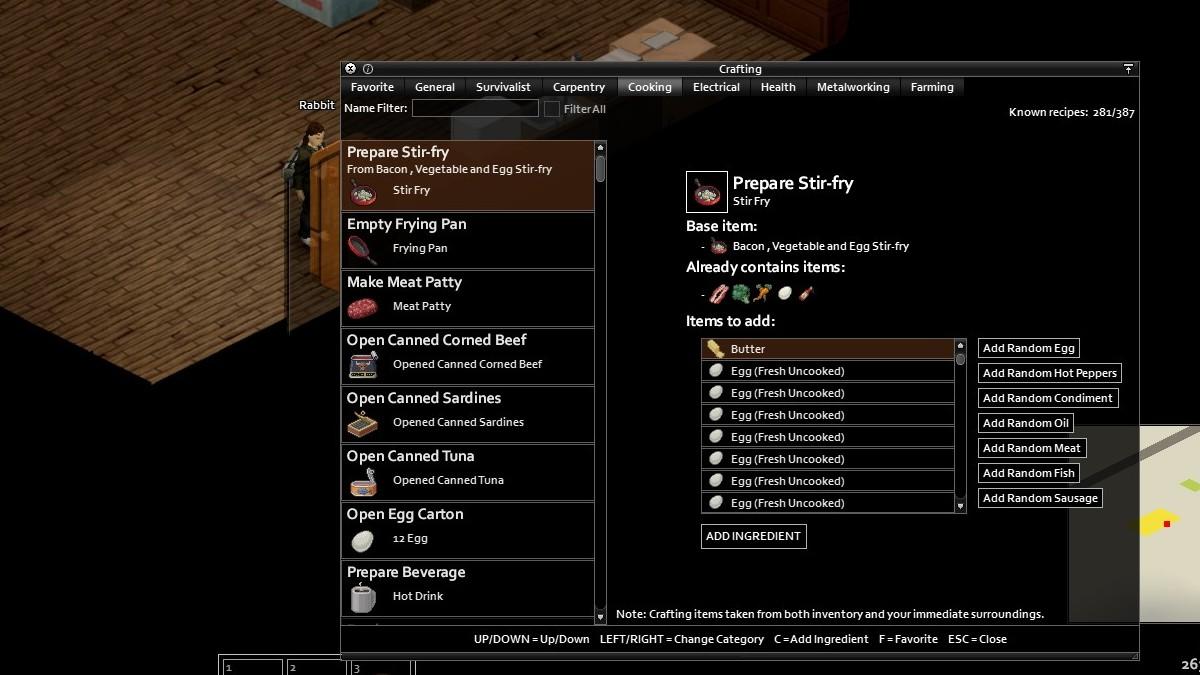
Never eat raw, cookable ingredients individually. Using the "Add Ingredient" context menu on a Cooking Pot or Frying Pan triggers a synergy effect. Combining ingredients increases their base nutritional value and adds powerful mental health bonuses. The Golden Ratio for Stews & Roasts:
- The Base (Carbs): Potato or Cabbage (Provides bulk and high hunger reduction).
- The Core (Protein): Rabbit Meat, Venison, or Fish (Provides the calories to maintain weight).
- The Enhancers (Vitamins): Carrots, Tomatoes, or Mushrooms.
- The Modifiers (Spices): Salt, Pepper, Soy Sauce, or Ketchup. Every spice added directly reduces the Unhappiness and Boredom stats of the final meal.
When winter hits and foraging yields drop to zero, farming and baking become your primary food sources. You will need a Rolling Pin and Baking Pans.
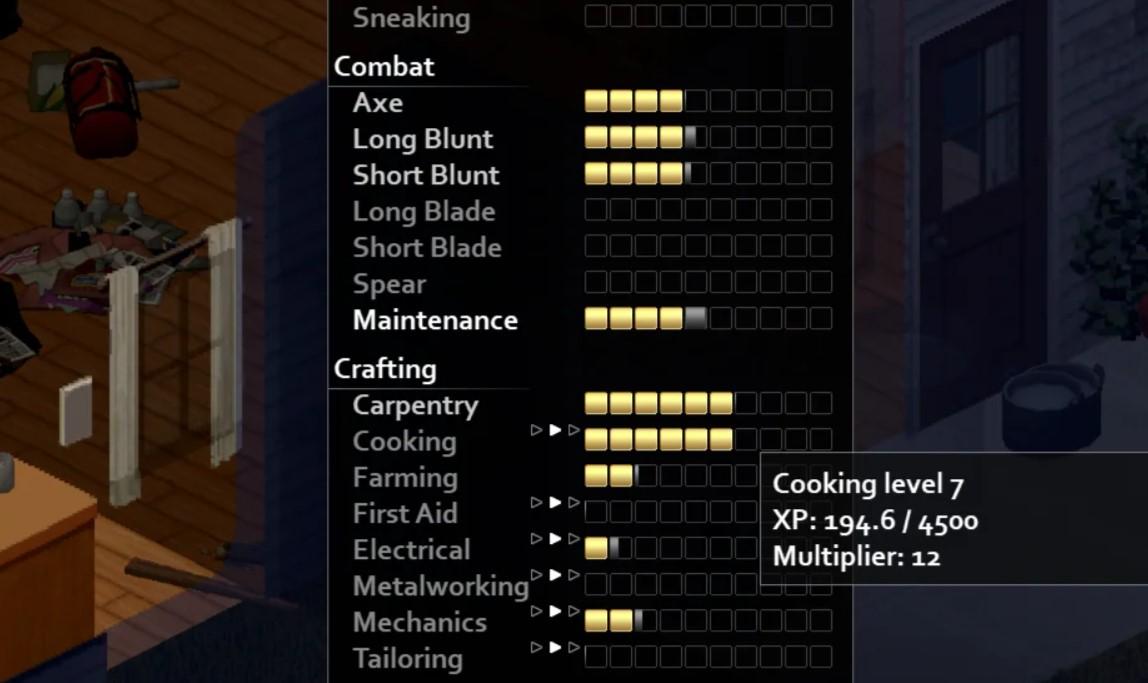
Grinding your Cooking skill by watching the "Life and Living TV" channel and reading Skill Books is mandatory. Once your character reaches Cooking Level 7, you unlock one of the most powerful passive mechanics in Project Zomboid.
At Level 7, your character becomes a "Master Chef" capable of safely utilizing Rotten Food. When you right-click a rotten tomato, rotten meat, or rotten cabbage while holding a Cooking Pot or Pan, you will see the option to add it to your recipe.
The game mechanically simulates your chef cutting away the moldy and toxic parts of the food.
* The Catch: Adding rotten ingredients provides only a fraction (about 5-10%) of their original hunger reduction value.
* The Benefit: It completely removes the toxicity. You will not get food poisoning. In the late game, when all the refrigerators in Knox County have failed, this skill allows you to survive on scavenged, spoiled food.
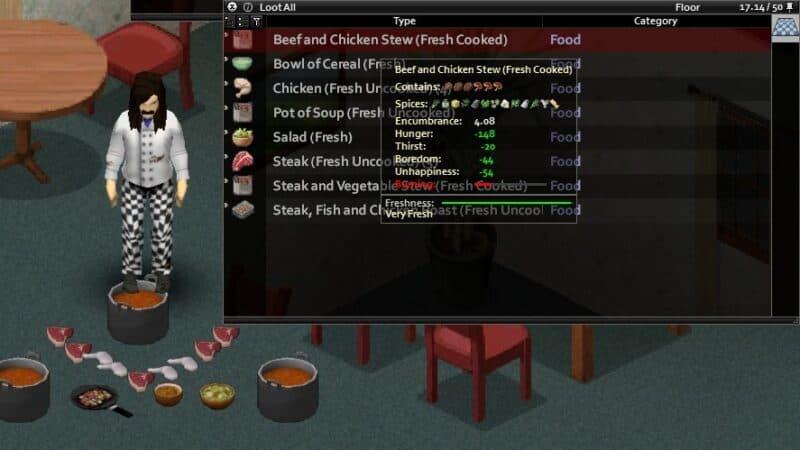
In the next section, we will cover the logistics of sourcing your ingredients: Advanced Farming, Trapping, and safe Foraging protocols.
3. The Ultimate Pantry, Botany & Preservation Database
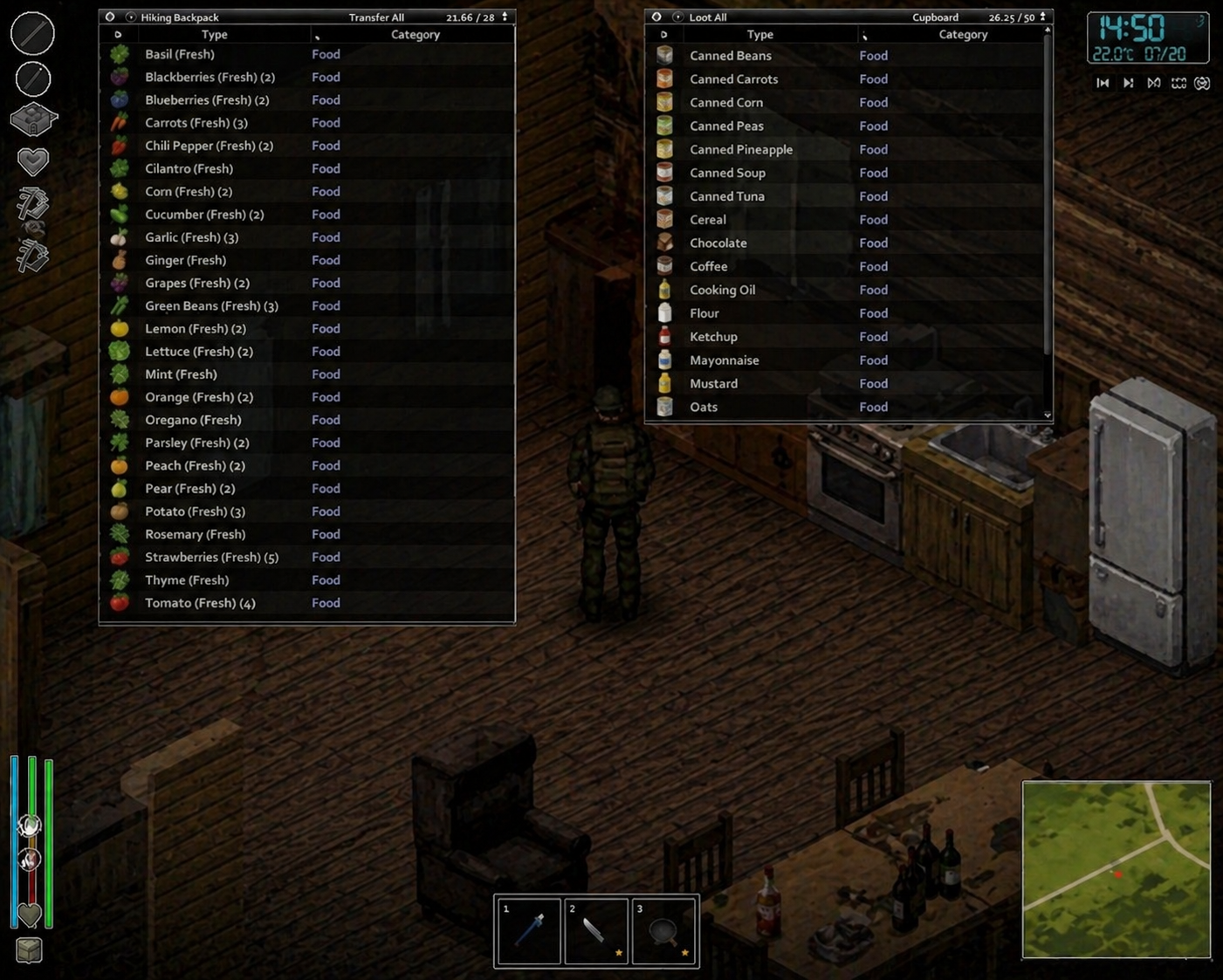
This massive database covers every non-meat consumable in Project Zomboid. From the seeds you plant in the ground to the frozen snacks in abandoned supermarkets, this is your ultimate reference guide for sustainable survival and pantry management.
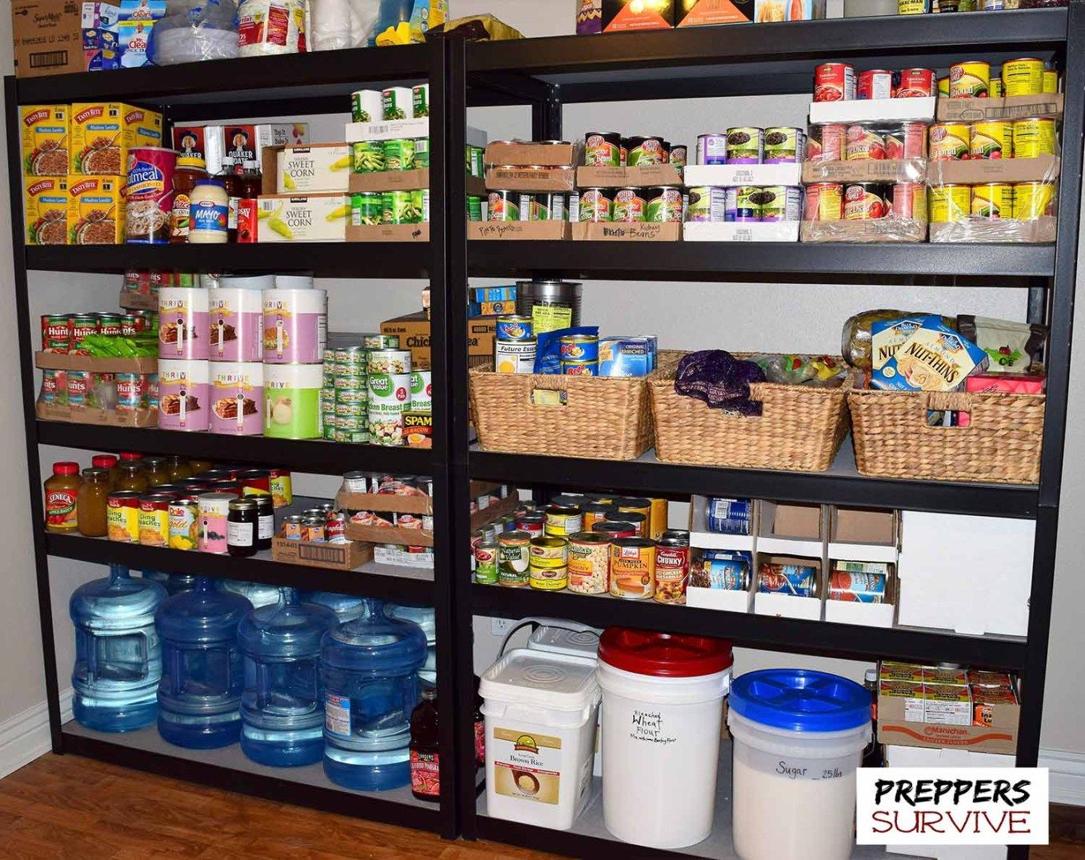
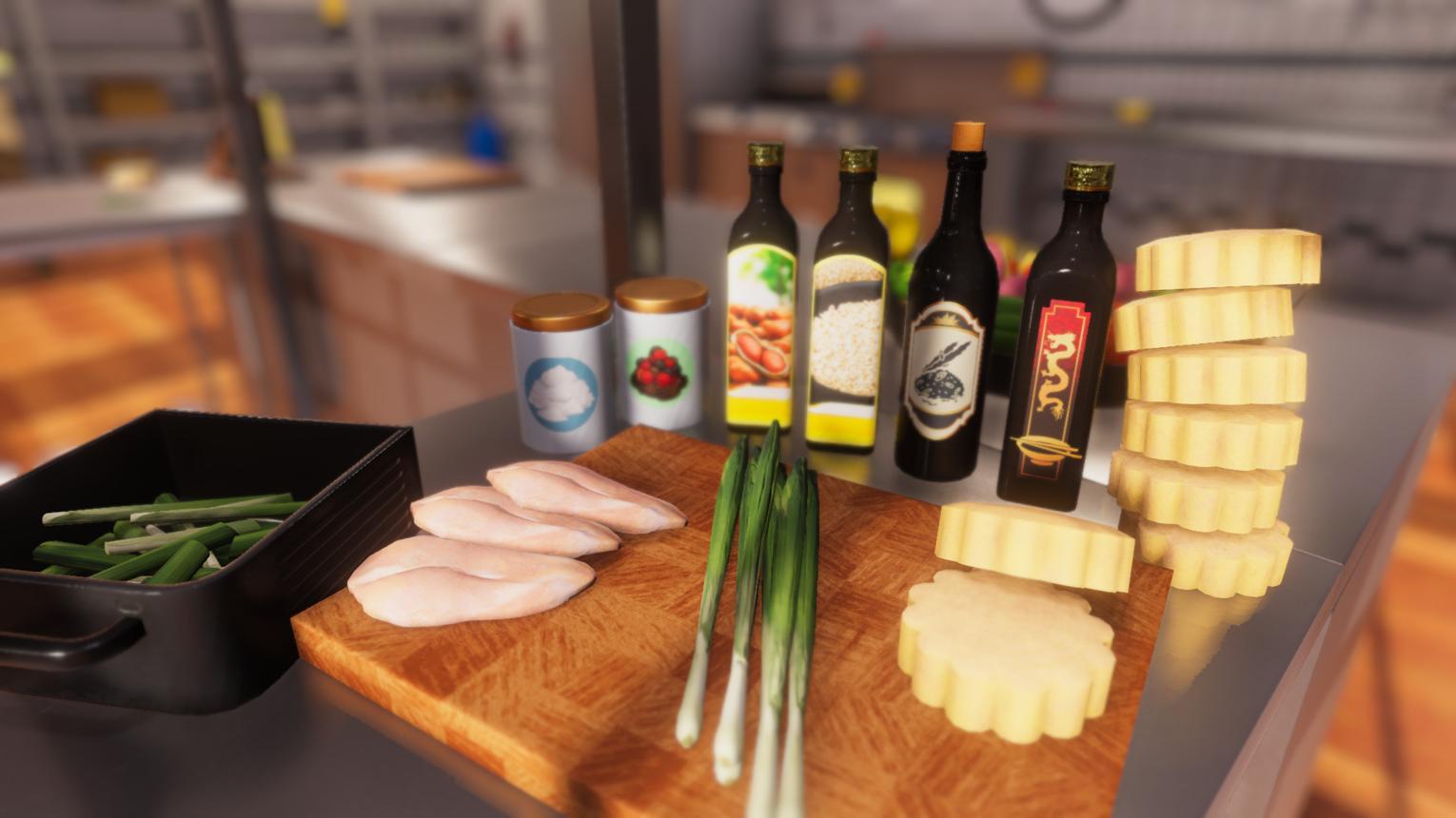
- Fresh Herbs (Basil, Rosemary, Sage): Adds minor hunger reduction but mostly used as a spice. Rots in 10-28 days depending on the herb.
- Dried Herbs: Lasts forever (∞). Provide up to -10 Unhappiness and -20 Stress when added to meals.
- Salt & Pepper: The golden standard. Never rots, always reduces unhappiness in cooked meals.
4. The Master Meat & Aquatic Encyclopedia
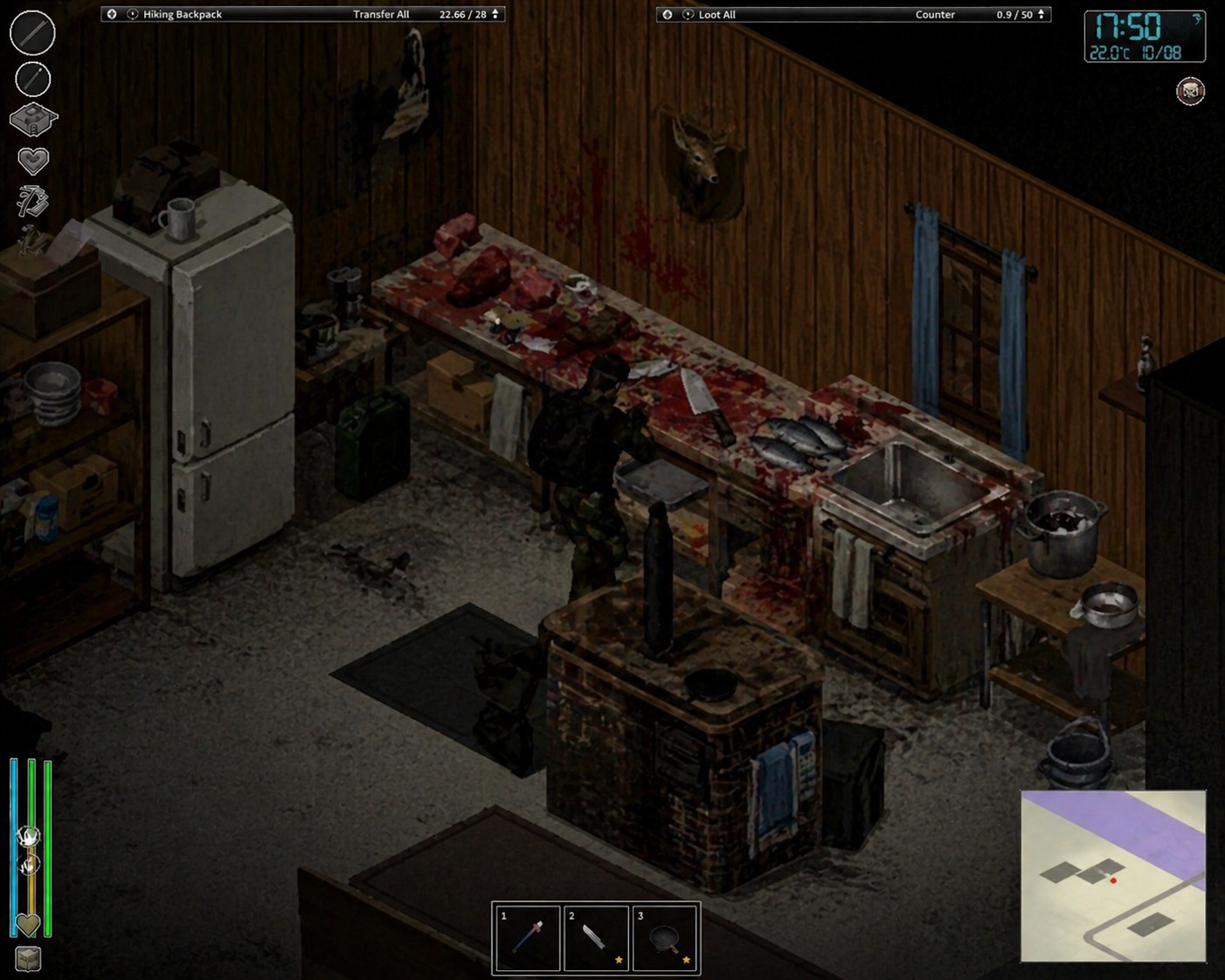
This section contains the raw, unfiltered data for every animal-based protein and aquatic lifeform in the Knox Event. From farm animals to deep-water catches, use this reference to manage your freezer capacity and cook times.
5. The Ultimate Botanical & Foraging Archive
This final encyclopedia covers every plant, herb, and insect in Project Zomboid. Whether you are farming in your backyard, foraging in the deep woods, or scavenging abandoned grocery stores, this data will ensure you never consume a poisonous berry or waste a high-value vegetable.
Knowledge is the only seasoning that never runs out. Knowing which leaf saves you and which bug breaks your mind is the difference between a survivor and a statistic.
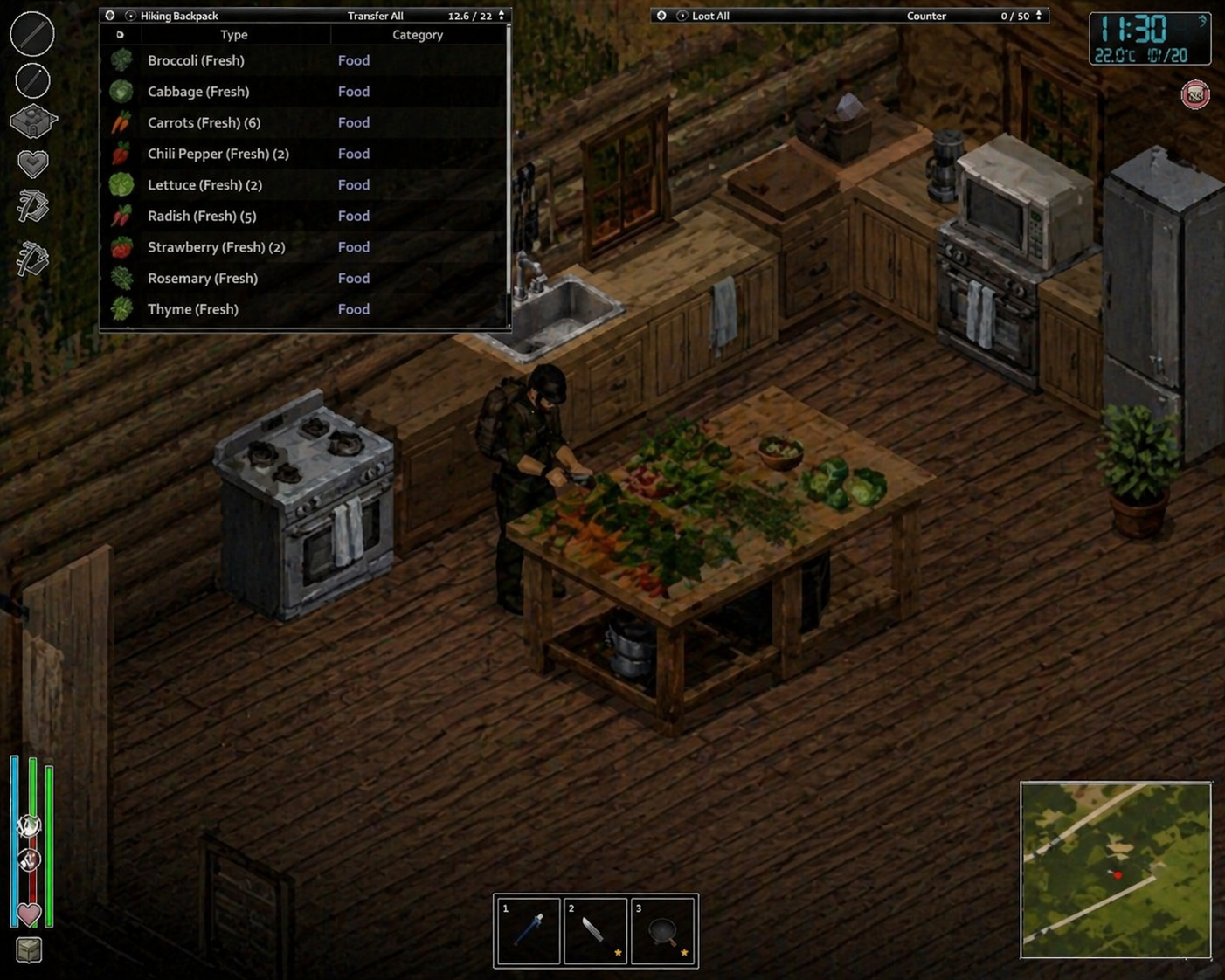
- Fresh Herbs (Basil, Rosemary, Sage): -1 Hunger, Fresh: 6 / Rot: 10 days.
- Dried Herbs (All Types): Provides -5 to -20 Unhappiness reduction. Shelf life: ∞ (Never rots).
- Wild Herbs (Black Sage, Lemon Grass): Foraged items that have medicinal and culinary properties.
This concludes the complete food database of the Knox Event Gourmet Guide. You now have every technical detail required to manage a 5-star kitchen in the apocalypse.
- Modding Policy★ 5 (397)133k views208 ♥9 minUpdated Nov 8, 2022
- 80 tips and tricks for Project Zomboid (If you have over 100 hours in this game some of these will probably be new to you too)★ 5 (1.6k)82k views3.1k ♥28 minUpdated Aug 29, 2021
- Топ 100 лучших модов на "project zomboid"★ 5 (415)68k views1.1k ♥10 minRussianUpdated Jul 28, 2024
- [B41] Лучшие места для базы★ 5 (477)61k views1.3k ♥6 minRussianUpdated Nov 30, 2025
- Первая помощь ❤★ 5 (628)49k views1.4k ♥5 minRussianUpdated Jan 20, 2025
- The Basics of Base Building★ 5 (704)48k views1.5k ♥17 minUpdated Dec 24, 2021





- Upgrading to PremiumTeam Fortress 2★ 5 (20k)1441k views11k ♥6 minUpdated May 11, 2022
- No More Room in Hell Official ManualNo More Room in Hell★ 5 (2.8k)569k views2.1k ♥29 minUpdated Apr 22, 2019
- NMRiH Community Hosting GuidesNo More Room in Hell★ 5 (526)351k views653 ♥1 minUpdated Aug 10, 2022
- ULTIMATE GUIDE FOR GAME DEV TYCOONGame Dev Tycoon★ 5 (5.8k)326k views10k ♥4 minUpdated 23 Jan, 2014
- How to 'Git Gud' Soon™MORDHAU★ 5 (2k)318k views3k ♥68 minUpdated Nov 16, 2024
- Лучшие кооперативные игры SteamPAYDAY 2★ 5 (1.5k)315k views2.1k ♥56 minRussianUpdated Apr 27, 2025





This guide was created by its original author on the Steam Community. Are you the author and want it removed? Request removal.